
6 Key Characteristics of Quality Home Care for Families
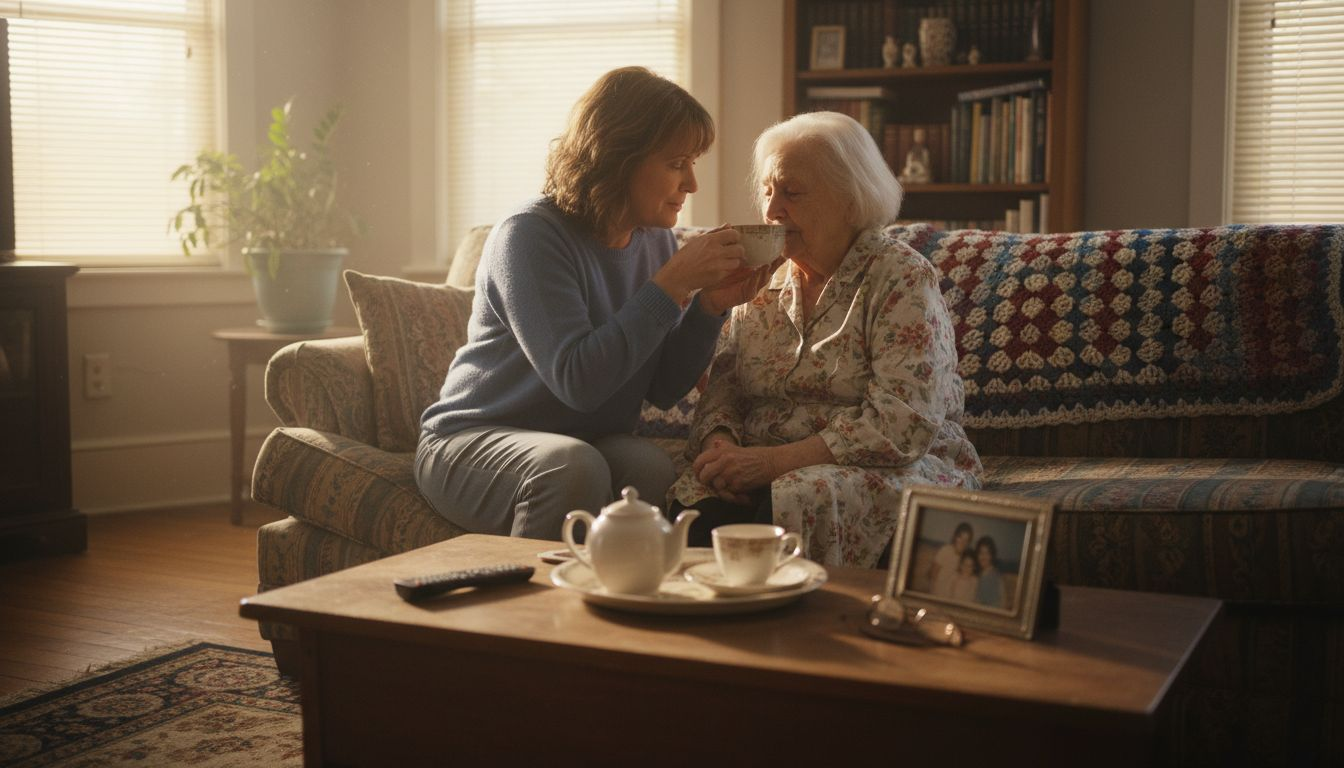
Choosing home care for a loved one can feel overwhelming when you want only the best for your family’s safety and comfort. It is not always easy to tell which providers deliver truly reliable and compassionate support, especially with so many details to consider. If you’re searching for clear guidance to make an informed decision, you’re in the right place.
This guide reveals the most important qualities that set high-quality home care agencies apart. You will discover practical insights recognized by expert accreditation bodies and learn why these standards matter for your family’s peace of mind. Get ready to find out what makes certain providers worthy of your trust—and exactly what you should look for before letting anyone into your home.
Table of Contents
Quick Summary
Takeaway | Explanation |
1. Verify Licensing and Accreditation | Always check a provider’s licensing status and accreditation to ensure quality and safety of care. |
2. Personalized Care Plans Matter | Tailored care plans are crucial for meeting individual needs and adapting to changes in health over time. |
3. Compassionate Caregivers Are Essential | Look for caregivers who combine clinical skills with compassion to enhance emotional support and care quality. |
4. Ensure Reliable Communication | Reliable communication keeps families informed about care and minimizes misunderstandings, especially across language barriers. |
5. Continuous Feedback Improves Care | Encourage agencies to actively seek and implement family feedback, ensuring ongoing improvements in care quality. |
1. Licensed and Accredited Home Care Services
When you’re selecting home care for your loved one, licensing and accreditation are your strongest assurance of quality and safety. These credentials mean your family isn’t just hiring someone—you’re choosing a provider that meets rigorous professional standards and undergoes regular evaluation.
What does licensing actually protect? State licensing, managed by the New York State Department of Health, ensures home care agencies meet basic operational requirements. Accreditation goes deeper. The Joint Commission, an independent organization, accredits over 4,400 home care programs nationwide that demonstrate commitment to patient safety, clinical excellence, and organizational performance through ongoing evaluation and improvement.
Why accreditation matters for your family:
Verified compliance with federal and state regulations
Regular quality audits by independent evaluators
Documented staff training and background screening
Demonstrated commitment to patient safety protocols
Enhanced reputation within the healthcare community
You can verify a provider’s status by checking state licensing records and asking for accreditation certificates directly. Friendly Home Care maintains licensing through the New York State Department of Health and accreditation by The Joint Commission, which means your family benefits from both regulatory oversight and independent quality verification.
The practical difference? Accredited agencies have documented systems for handling medical emergencies, medication management, and client safety. They’re held accountable to standards beyond minimum state requirements. When your parent or family member needs care, this accountability translates to peace of mind.
When evaluating personalized home care services, always ask to see current licensing and accreditation documents. Don’t accept verbal assurances—request official documentation you can verify with state agencies.
Accreditation demonstrates a provider has voluntarily submitted to rigorous independent evaluation and maintains standards above what licensing alone requires.
Pro tip: Before signing any agreement, call the New York State Department of Health directly to confirm the agency’s licensing status and ask about any complaints or violations on file.
2. Personalized and Flexible Care Plans
One size doesn’t fit anyone in home care. Your mother’s needs differ from your neighbor’s, and a quality provider recognizes this by creating individualized care plans tailored specifically to each client’s health situation, preferences, and daily routines.
What makes a care plan truly personalized? It starts with listening. A skilled assessment identifies your family member’s medical conditions, mobility limitations, cognitive status, and personal preferences. The plan then documents specific tasks, schedules, and goals that address their unique circumstances rather than applying a generic template to everyone.
Flexibility is equally important. Life changes unexpectedly. Your parent may recover faster after surgery than anticipated, or a chronic condition might shift suddenly. A quality care plan adapts to these changes without requiring weeks of bureaucratic delays. This responsiveness keeps your loved one safe while reducing stress on your family.
What a personalized plan should include:
Detailed assessment of medical, functional, and social needs
Specific daily tasks and care routines customized to preferences
Clear goals for health maintenance or improvement
Emergency protocols tailored to individual health risks
Regular review schedule to adjust as circumstances change
Individualized care plans tailored to client needs represent the accreditation standard for quality home care agencies. This means trained staff develop comprehensive plans addressing all aspects of your family member’s wellbeing through coordinated team care.
In practice, this means your mother’s arthritis care plan differs from a diabetic client’s plan. Her medication reminders, physical assistance needs, and therapy goals are documented specifically for her situation. If she has a mobility breakthrough or experiences setbacks, the plan adjusts accordingly.
Flexible, personalized care plans adapt to your loved one’s changing needs rather than forcing them into inflexible routines.
You should review the proposed care plan before services begin and request modifications that better fit your family’s values and goals. Ask how often the plan is reviewed and what triggers an adjustment. This conversation clarifies whether the agency truly customizes care or simply follows a checklist.
Pro tip: Request a written copy of the initial care plan assessment before services start, and schedule a 30-day review meeting to discuss whether the plan is meeting your loved one’s actual needs.
3. Compassionate and Professional Caregivers
Your loved one deserves more than just someone who performs tasks. A quality home care provider ensures caregivers combine clinical skills with genuine compassion, treating your family member with dignity while delivering professional, competent care.
What’s the difference between a task-focused caregiver and a compassionate one? A compassionate caregiver notices when your mother seems withdrawn and takes time to listen. A professional one documents her condition accurately and alerts supervisors to concerns. The best providers demand both qualities simultaneously.
Accreditation standards require caregivers to be trained and credentialed, not simply well-meaning volunteers. State licensing or certification means they’ve demonstrated knowledge of safety protocols, infection control, proper lifting techniques, and how to respond to medical emergencies. This training protects your family member from preventable harm.
Why both qualities matter equally:
Professional training prevents injuries and medical errors
Compassion creates emotional comfort and reduces isolation
Dignity in care promotes better health outcomes
Trust between caregiver and client improves cooperation with treatments
Respect builds confidence that your loved one receives quality attention
Caregiver qualifications vary. Some hold nursing certifications, others complete home health aide training programs. Many agencies, including those meeting accreditation standards for skilled caregiving, require background screening, health clearances, and ongoing training to maintain standards.
In practice, this means when your father needs help bathing after surgery, his caregiver knows the proper techniques to prevent falls while making him feel respected and comfortable. When your mother’s medications change, the caregiver understands what to monitor and when to alert you or her physician.
Screening matters too. Quality providers conduct thorough background checks and verify references. You should feel confident that the person entering your home has been vetted and trusted by the agency.
The best caregivers balance technical expertise with authentic human connection, treating your family member as an individual worthy of respect and dignity.
Pro tip: During your first week with a new caregiver, observe how they interact with your loved one and ask your family member how they feel about the care and the relationship forming between them.
4. Reliable Communication and Multilingual Support
You need to know what’s happening with your loved one every single day. A quality home care provider maintains clear, consistent communication with families while also breaking down language barriers that too often prevent seniors from getting the care they deserve.
Why does communication matter so much? Your mother might not remember to tell you about a fall, a medication side effect, or a concern she mentioned to her caregiver. Reliable providers establish communication protocols that keep you informed without requiring you to constantly ask for updates. You shouldn’t feel left in the dark about your family member’s wellbeing.
Language barriers create dangerous gaps. If your parent speaks Spanish or Mandarin at home but receives care instructions only in English, misunderstandings happen. Medications get taken incorrectly. Symptoms go unreported. Safety suffers. Quality providers recognize New York City’s diversity and staff accordingly.
What reliable communication looks like:
Daily or weekly updates on your loved one’s condition and mood
Phone calls about significant changes or concerns
Written documentation accessible to family members
Clear protocols for emergencies or urgent issues
Multilingual staff matching your family’s primary language
Interpretation services when needed for medical discussions
Accredited providers maintain reliable communication channels that serve diverse populations, ensuring language never becomes a barrier to quality care. Friendly Home Care employs multilingual caregivers across Brooklyn, Queens, Manhattan, the Bronx, Staten Island, and Westchester to serve New York City’s communities authentically.
In practice, this means if your father’s first language is Russian, he can communicate naturally with his caregiver about his needs and concerns. If your mother has a medication question at 3 PM, you can reach a supervisor who speaks her language and understands her cultural background.
Asking the right questions matters. When interviewing agencies, request their communication process in writing and ask specifically about multilingual availability in your neighborhood.
Language should never be a barrier between your loved one and the quality care they deserve.
Pro tip: During your initial consultation, ask the agency to confirm they have caregivers available who speak your family member’s preferred language and request specific communication schedules before services begin.
5. Safety and Respect in Client’s Home Environment
Your parent’s home should remain their sanctuary, not a place that feels invaded or unsafe. Quality home care providers understand that delivering services means respecting your loved one’s personal space, privacy, and preferences while implementing safety protocols that prevent accidents and injuries.
What does respect in the home actually mean? It means a caregiver knocks before entering a bedroom, asks permission before moving furniture, and doesn’t discuss your mother’s medical conditions with neighbors. It means treating her home like a guest who has been invited in, not like they own the space.
Safety protocols protect against preventable harm. Quality providers assess homes for fall risks, ensure proper lighting, check that medications are stored safely, and identify potential hazards specific to your family member’s situation. They know how to assist with mobility without causing injury.
Safety and respect work together:
Fall prevention through proper lighting and clear pathways
Secure medication storage and accurate administration
Privacy during personal care activities
Respecting client preferences about how tasks are performed
Maintaining confidentiality about the client’s health and home
Regular safety checks and communication about hazards
Safety and dignity standards for home health care require providers to implement protocols that protect clients while fostering environments where they feel respected and comfortable. This means your father isn’t just safe from physical harm—he feels comfortable and dignified receiving care.
In practice, this means a caregiver helps your mother bathe with privacy and dignity, not rushing through the task. When visiting, the caregiver respects which rooms are off-limits and doesn’t rearrange your mother’s belongings without permission. When you call, they provide updates without violating confidentiality.
Ask potential providers specifically about their safety assessment process and how they handle privacy. Request their policies in writing so you understand exactly how your loved one’s home and personal space will be protected.
True quality care protects both physical safety and personal dignity, treating your loved one’s home as theirs to control.
Pro tip: Before services begin, walk through your home with the assigned caregiver and discuss safety concerns, privacy boundaries, and any specific preferences about how tasks should be performed.
6. Transparent Feedback and Ongoing Evaluation
Quality doesn’t stay the same without active attention. A top-tier home care provider welcomes your feedback, listens to concerns, and uses what they learn to improve services continuously. This commitment to ongoing evaluation ensures your loved one receives better care over time, not just adequate care today.
Why does feedback matter? You live with the results of the care being delivered. If something isn’t working—whether it’s timing, approach, or caregiver fit—the agency needs to know. Providers that resist feedback or treat complaints as problems are signaling they prioritize convenience over quality.
Continuous quality improvement means agencies systematically collect feedback from clients and families, review care outcomes, identify gaps, and make adjustments. This isn’t occasional. It’s ongoing. Accreditation standards require continuous quality improvement through regular feedback collection and performance evaluation to maintain high standards.
What transparent evaluation looks like:
Regular check-ins asking how care is going
Documented feedback mechanisms you can access anytime
Clear processes for addressing complaints or concerns
Demonstrated changes based on client feedback
Quality metrics shared with families
Annual or semi-annual care plan reviews with your input
In practice, this means the agency calls after the first week to ask how things are going. If you mention the caregiver arrives 30 minutes late, they address it within days. If your mother requests a different approach to her morning routine, the plan adjusts accordingly. Problems get fixed, not ignored.
Accredited agencies document how they use feedback to refine care delivery and improve outcomes. They can show you their quality metrics and explain how your input directly influences their operations. This transparency builds trust and ensures accountability.
Before choosing a provider, ask directly about their feedback process. Request examples of how they’ve changed based on client feedback. Their willingness to provide specific examples reveals their genuine commitment to improvement.
Quality providers treat feedback as a gift, not criticism, and demonstrate how client input drives continuous improvement.
Pro tip: Schedule formal feedback conversations at 30 days, 90 days, and every 6 months, documenting your concerns and the agency’s responses to create a clear record of improvements.
Below is a comprehensive table summarizing the key elements and best practices for ensuring quality and effective home care services as discussed in the article.
Aspect | Details | Key Benefits |
Licensing and Accreditation | Ensure providers are state-licensed and accredited by independent organizations. | Promotes safety, regulatory compliance, and patient security. |
Personalized Care Plans | Develop care plans tailored to individual needs through skilled assessments. | Ensures personal preferences are respected and care adapts to changes in needs. |
Caregiver Qualifications | Hire caregivers with both professional training and compassionate qualities. | Improves care delivery, promotes dignity, and ensures safety. |
Communication and Language | Establish clear communication protocols and provide multilingual support services. | Facilitates family involvement and reduces potential misunderstandings. |
Home Safety and Respect | Implement home assessments, and respect personal preferences and privacy. | Maintains a safe environment and reinforces the client’s dignity and comfort. |
Feedback and Evaluation | Encourage regular feedback from families and use it for continuous quality improvement. | Enhances care outcomes through adaptability and accountability. |
Discover Home Care That Truly Meets Your Family’s Needs
Choosing quality home care means addressing the challenges you face every day with a trusted partner who puts your loved one’s safety and dignity first. The article “6 Key Characteristics of Quality Home Care for Families” highlights critical concerns including licensed and accredited services, personalized care plans, compassionate caregivers, and reliable communication. If you want peace of mind knowing your family member will receive professional care that respects their unique preferences and home environment, you need a provider who goes beyond the basics.
At Friendly Home Care, we understand the emotional weight of these decisions. Our team is fully licensed by the New York State Department of Health and accredited by The Joint Commission. We craft individualized care plans tailored to your loved one’s medical and personal needs. Our compassionate, multilingual caregivers build genuine connections while maintaining professionalism and respect. With dependable communication and ongoing quality evaluation, we keep you informed and involved every step of the way.
Ready to experience home care that aligns with the values outlined in the article? Explore our full range of personalized in-home care services designed to support families across Brooklyn, Queens, Manhattan, the Bronx, Staten Island, and Westchester County. Don’t wait until concerns overwhelm you. Contact Friendly Home Care today to schedule a consultation and start securing compassionate, expert care your family deserves.
Frequently Asked Questions
What should I look for in licensed and accredited home care services?
Quality home care services should be licensed by the appropriate state authorities and accredited by recognized organizations. Ensure to request and verify the agency’s documentation to confirm their compliance with safety and quality standards.
How can I ensure a personalized care plan for my loved one?
A personalized care plan is created through a detailed assessment of your loved one’s specific needs. Discuss their medical conditions and preferences with the agency and request a written copy of the care plan for regular review and adjustments as needed.
What qualities should I expect from caregivers in home care?
Caregivers should possess both clinical skills and compassion, providing not only competent care but also emotional support. Observe how caregivers interact with your loved one to ensure they feel respected and understood during their care.
How can I facilitate reliable communication with the home care provider?
To maintain reliable communication, establish a clear protocol with the agency for regular updates on your loved one’s condition. Determine an agreed-upon schedule for daily or weekly check-ins and confirm that caregivers can communicate any urgent concerns promptly.
What safety measures should be in place in my loved one’s home?
A quality home care provider will conduct safety assessments to identify potential hazards and implement safety protocols. Discuss specific safety measures, such as fall prevention strategies and medication management, with the agency before care begins.
How can I provide effective feedback to improve home care services?
To provide effective feedback, establish formal check-in meetings with the home care provider at regular intervals, such as 30, 90, and 180 days. Document any concerns or suggestions during these meetings to ensure that the agency addresses them and improves the quality of care.
Recommended