
How to Start Home Care Services for Loved Ones Easily
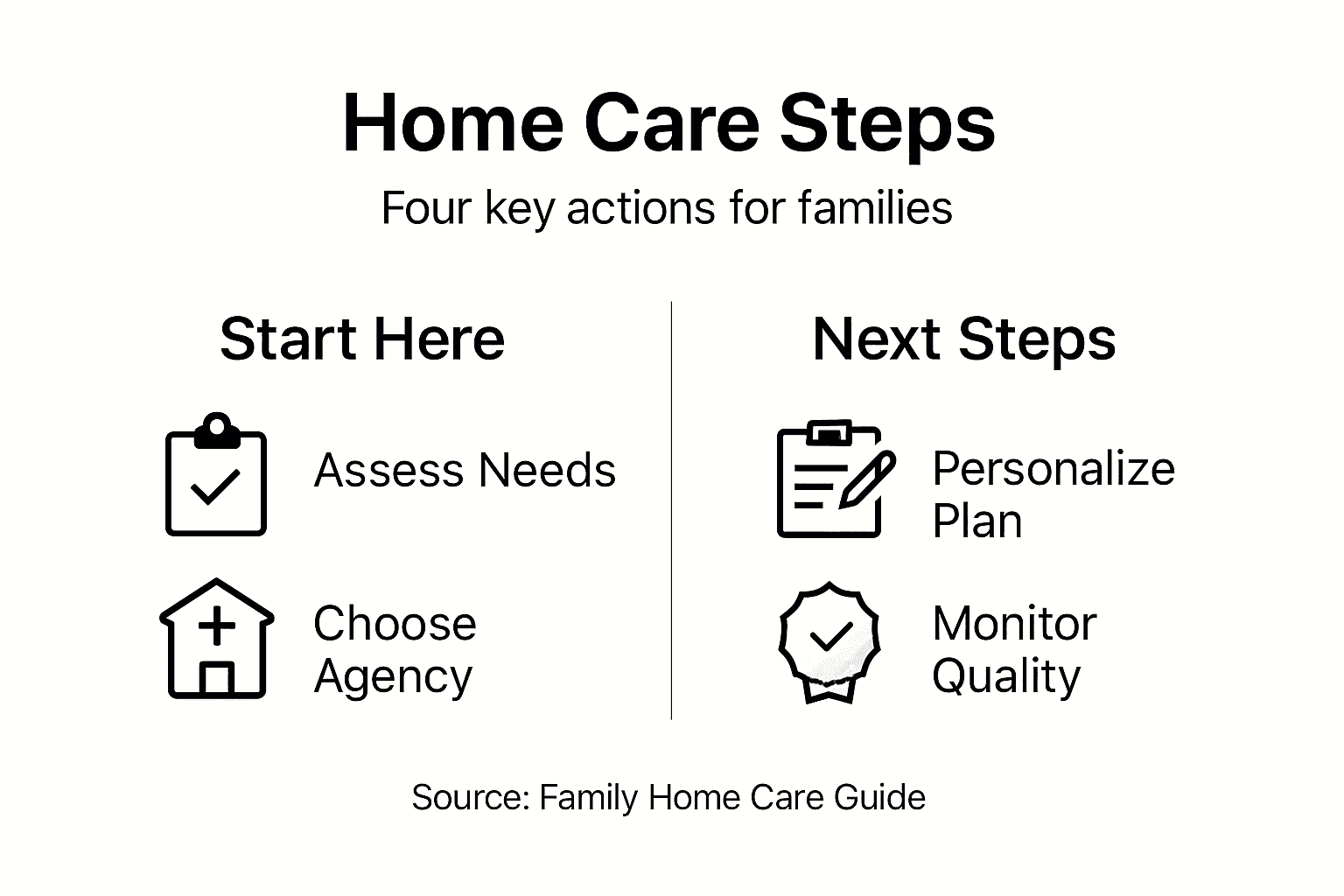
Every family caregiver in New York City wants the best for their aging loved one but knowing where to start with home care can feel confusing. Balancing safety, comfort, and independence is a challenge when you are not sure what level of help is needed or how to choose trustworthy providers. This guide breaks down each step for personalizing home care so you can make confident decisions, avoid common mistakes, and help your loved one live comfortably at home.
Table of Contents
Quick Summary
Key Takeaway | Explanation |
1. Assess Care Needs First | Begin with a thorough evaluation of daily activities, health, and safety to understand necessary support. |
2. Choose a Licensed Provider | Select a home care agency that is licensed, certified, and experienced in your loved one’s specific needs. |
3. Personalize the Care Plan | Collaborate with your loved one to create a care plan that reflects their individual preferences and routines. |
4. Monitor Care and Progress | Regularly check in on your loved one’s health and service quality to ensure that care meets their evolving needs. |
5. Communicate Concerns Promptly | Share any concerns or changes in your loved one’s condition with the care provider to facilitate quick adjustments. |
Step 1: Assess Your Loved One’s Home Care Needs
Understanding what your loved one actually needs is the first step toward finding the right care solution. This assessment goes beyond guessing—it’s about looking at their daily activities, health condition, and home environment to create a clear picture of their care requirements.
Start by evaluating their current abilities and challenges in these key areas:
Activities of daily living: Can they bathe, dress, use the bathroom, and eat independently?
Mobility: Do they move around safely, or do they need assistance with walking, transfers, or positioning?
Medical needs: Do they require medication management, wound care, or monitoring for chronic conditions?
Cognitive status: Are they alert and oriented, or do they experience confusion or memory loss?
Safety concerns: Are there fall risks, medication mix-ups, or other hazards in their home?
Social and emotional needs: Do they feel isolated, depressed, or in need of companionship?
Once you’ve identified these areas, consider whether your loved one is homebound due to illness or injury. Home health services coverage typically requires that a person be unable to leave home without considerable difficulty or medical risk—this is an important qualifier for understanding what services may be available to them.
Having a qualified provider conduct a face-to-face assessment can clarify exactly what level of care is needed. This formal evaluation documents their current condition and helps determine which services—whether skilled nursing, therapy, or personal care—would benefit them most.
A thorough assessment today prevents costly mistakes and ensures your loved one gets exactly the support they need, nothing more and nothing less.
Think about how care fits into their daily routine. Does your loved one need help in the morning to get ready? Do they struggle with meal preparation? Are evenings when they feel most anxious or unsafe? These timing details matter when you’re planning care support.
Document what you observe and any concerns you have. Write down specific examples: “Mom forgot to take her afternoon medication three times last week” or “Dad has fallen twice trying to get to the bathroom at night.” This information becomes invaluable when talking to care providers about what your loved one truly needs.
Pro tip: Ask your loved one’s doctor to recommend a home care assessment—healthcare providers often have trusted partners and can advocate for coverage based on medical necessity.
Step 2: Choose a Licensed Home Care Provider
Finding the right home care agency is one of the most important decisions you’ll make for your loved one. A licensed provider brings accountability, trained staff, and peace of mind that care meets professional standards.

Start by verifying that any agency you consider is properly licensed and certified. Medicare-certified providers have met federal quality standards and regulatory requirements, which means they’re held to strict oversight. Ask potential providers directly about their certifications and licenses—reputable agencies display them proudly.
When evaluating providers, look at these key factors:
Staff qualifications: Are caregivers background-checked, trained, and supervised regularly?
Experience with your loved one’s condition: Does the agency have experience caring for seniors with dementia, mobility issues, or specific medical needs?
Availability: Can they accommodate the schedule your loved one needs, whether that’s a few hours weekly or 24-hour care?
Communication: Do they maintain regular contact with you and update you on your loved one’s progress?
References: Can they provide contact information from other families they’ve served?
Check online reviews and ask for references from current and former clients. Real families can tell you about responsiveness, reliability, and the quality of care their loved ones received. Don’t rely solely on ratings—read detailed feedback to understand specific strengths and concerns.
Here’s a summary of important factors to evaluate when selecting a home care provider:
Evaluation Factor | Why It Matters | Questions to Ask Agencies |
Licensing & Certification | Ensures legal compliance and quality | Is the agency Medicare-certified? |
Staff Training | Impacts safety and care quality | How are caregivers supervised? |
Experience with Health Conditions | Matches provider to specific needs | Do staff have dementia care experience? |
Scheduling Flexibility | Provides coverage when needed | Can you offer 24/7 assistance? |
Communication Practices | Keeps family informed | How often will you update us? |
References & Reviews | Reveals provider reputation | Can you share former client contacts? |
Understand what services are covered by Medicare or insurance if applicable. Not all agencies offer the same range of services, and coverage varies. Some specialize in skilled nursing care, while others focus on personal care and companionship.
Comparing types of home care services helps clarify coverage and support options:
Service Type | Typical Activities | Medicare Coverage | Ideal For |
Skilled Nursing | Wound care, injections | Usually covered | Medical needs, rehab |
Personal Care | Bathing, dressing, meals | Sometimes covered | Daily living support |
Companionship | Social visits, activities | Not covered | Preventing isolation |
Therapy Services | Physical, occupational | Often covered | Mobility, recovery |
Schedule consultations with at least two or three agencies before deciding. During these conversations, explain your loved one’s specific needs and listen carefully to how each agency responds. Do they ask thoughtful questions? Do they seem genuinely interested in your loved one’s wellbeing, or are they just making a sales pitch?
The right provider feels like a trusted partner in your loved one’s care, not just a vendor delivering a service.
Pro tip: Request a trial period or initial shorter-term commitment to ensure the caregiver and your loved one are a good match before signing a long-term agreement.
Step 3: Personalize the Home Care Plan
A generic care plan won’t work for your loved one because their needs are unique. Personalizing the care plan means creating a detailed roadmap that reflects their specific health conditions, daily routines, preferences, and goals.
Start by having an open conversation with your loved one about what matters most to them. Do they value independence above all else, or is comfort their priority? Are there specific activities they want to continue doing, like gardening or time with grandchildren? Understanding their preferences shapes everything that follows.
Work collaboratively with the care provider to develop a plan that includes these elements:
Daily schedule: What time do they wake up, eat meals, take medications, and go to bed?
Medical management: Which medications need monitoring, and how often should vital signs be checked?
Mobility assistance: Where do they need help with transfers, walking, or positioning?
Personal preferences: How do they like their coffee, what’s their preferred bathing time, do they have grooming habits that matter to them?
Cognitive needs: Do they need reminders, orientation cues, or memory support throughout the day?
Social and emotional goals: How can care include companionship, meaningful activities, or connection with family?
The care plan should reflect shared decision-making between you and your loved one, not just what a provider thinks they need. Your loved one’s voice and preferences must be central to the plan.
Review the plan regularly with your care team. Monthly check-ins help you adjust activities, timing, or support levels as your loved one’s needs evolve. What worked in January might need tweaking by March, and that’s normal.
Document everything in writing. Keep a copy at home and share it with all caregivers, family members, and healthcare providers involved in your loved one’s care. Consistency across different people makes a huge difference in how your loved one feels.
A personalized care plan isn’t set in stone—it grows and changes as your loved one’s needs change, and that flexibility is what makes it work.
Pro tip: Create a simple one-page summary of your loved one’s preferences and daily routine to post where caregivers can see it, ensuring consistency even if different people provide care.
Step 4: Monitor Progress and Service Quality
Once care begins, your job isn’t finished—it’s just shifted. Monitoring progress and service quality ensures your loved one receives the care promised and that their condition is improving or remaining stable.
Start by establishing regular check-in schedules. Weekly conversations with your loved one and the caregiver help you catch problems early before they become serious. Ask your loved one directly how they feel about the care and whether the caregiver makes them comfortable.
Track specific health and wellness indicators relevant to your loved one’s condition:
Physical health: Are wounds healing, is mobility improving, are medications being taken correctly?
Nutrition and hydration: Is your loved one eating regular meals and drinking enough water?
Mental and emotional state: Do they seem engaged, happy, or withdrawn and depressed?
Safety: Have there been any falls, medication errors, or near-miss incidents?
Cleanliness and comfort: Is their home clean, are they well-groomed, do they express comfort with their environment?
Social connection: Are they having meaningful interactions with family and caregivers?
Implementing ongoing performance measurement systems helps you identify whether care is meeting your loved one’s goals. Keep simple notes or a care journal documenting what you observe each week. Over time, these notes reveal patterns that matter.
Communicate concerns promptly. If you notice your loved one seems sad, withdrawn, or their health is declining, bring this to the care provider immediately. Good agencies respond quickly and adjust their approach based on your feedback.
Attend quarterly review meetings with the care team. These formal check-ins update the care plan based on progress and any changing needs. They’re also opportunities to provide feedback on what’s working well and what needs adjustment.
Trust your instincts. You know your loved one better than anyone. If something feels off—whether it’s a caregiver’s attitude, unexplained injuries, or your loved one’s reluctance to be alone with someone—investigate and don’t hesitate to make changes.
Quality care isn’t a one-time setup. It’s an ongoing partnership where your attention and feedback keep the care aligned with your loved one’s needs.
Pro tip: Keep a simple weekly log with dates, observations about your loved one’s mood and health, and any concerns discussed with the caregiver—this creates an objective record and helps identify patterns over time.
Finding Trusted Home Care That Matches Your Loved One’s Needs
Starting home care services can feel overwhelming when you are trying to assess your loved one’s daily needs and find a provider you can trust. This article highlights the importance of a thorough needs assessment, choosing a licensed care provider, and personalizing a care plan that supports safety, independence, and comfort. You want compassionate and professional care that listens to your family’s concerns and adapts as your loved one’s needs change.
At Friendly Home Care, we understand these challenges deeply. Serving New York City and Westchester County, we offer licensed, tailored home care services from personal care assistance to medication reminders and companionship. Our caregivers are trained and screened to provide the highest quality support for seniors and individuals with medical or mobility needs. We work closely with families to ensure every care plan reflects your loved one’s preferences and evolving health requirements.
Experience the peace of mind that comes from partnering with a trusted and accredited home care provider. Take the next step to help your loved one stay safe and comfortable in their own home.
Discover how our compassionate team can support your family today by reaching out through Friendly Home Care’s website. Schedule a consultation and start building a personalized care plan designed just for your loved one.
Frequently Asked Questions
How do I assess my loved one’s home care needs?
To assess your loved one’s home care needs, evaluate their daily activities, health condition, and any safety concerns. Start by examining their abilities in areas like bathing, mobility, and medication management, and document specific examples to discuss with care providers.
What should I look for in a licensed home care provider?
When choosing a licensed home care provider, verify their certifications and ensure they have trained staff who can handle your loved one’s specific health needs. Ask about their experience, scheduling availability, and communication policies to ensure a good fit for your loved one’s care.
How can I personalize a home care plan for my loved one?
To personalize a home care plan, engage your loved one in a conversation about their preferences and daily routines. Work collaboratively with the care provider to create a plan that includes their specific medical management needs, mobility assistance, and social activities they enjoy.
How do I monitor the quality of home care services?
Monitor the quality of home care services by regularly checking in with both your loved one and the caregiver. Track health indicators, safety concerns, and emotional wellbeing to ensure that the care being provided meets your loved one’s evolving needs.
What steps should I take if I notice a problem with the care being provided?
If you notice a problem with the care being provided, communicate your concerns to the care provider immediately. Document the issue and, if necessary, request a review meeting to discuss possible adjustments to the care plan.
How often should I review the home care plan?
You should review the home care plan at least once a month, or quarterly if possible. Regular reviews help to identify any necessary changes as your loved one’s needs evolve and ensure they are receiving the best possible care.
Recommended