
What is compassionate caregiving? NYC family guide 2026
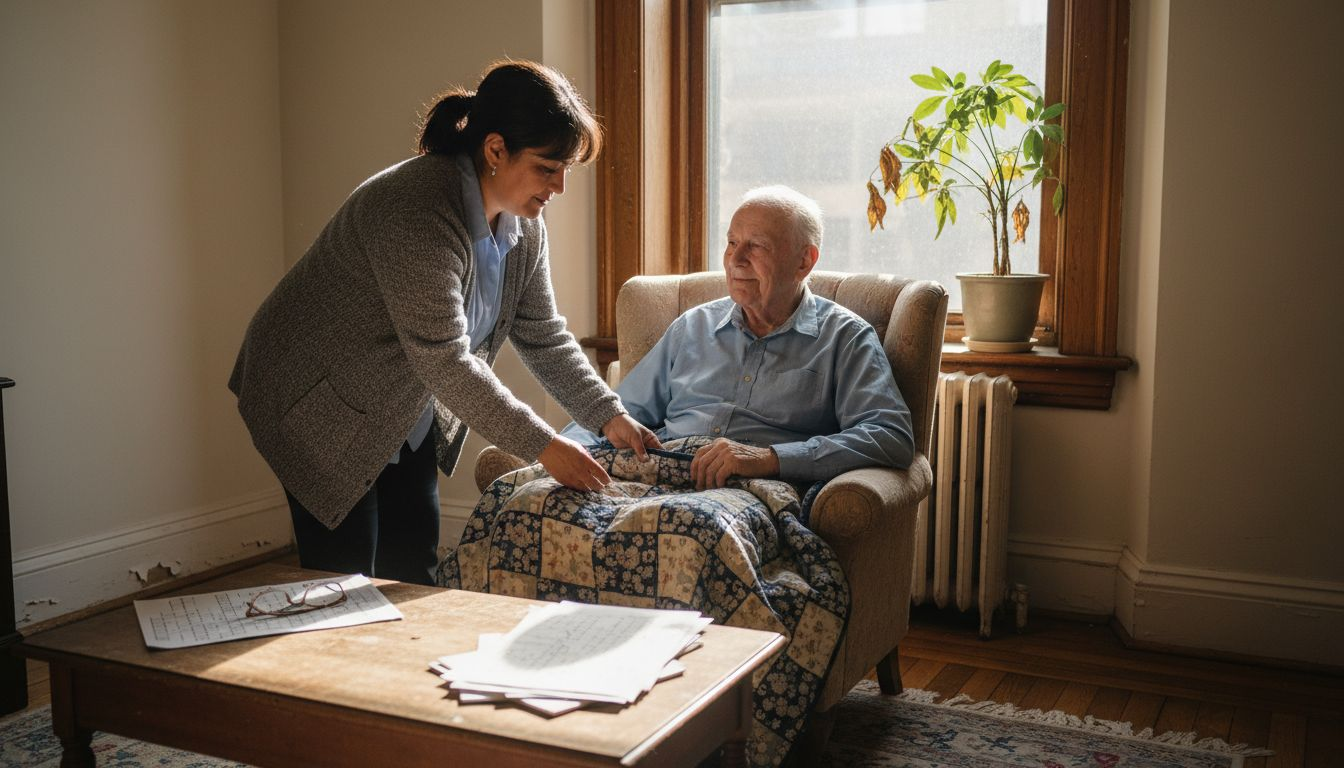
Compassionate caregiving remains one of the most misunderstood aspects of in-home elder and disability care in New York City. Many families seeking support for aging or disabled loved ones struggle to distinguish genuine compassionate care from routine assistance. This guide clarifies what compassionate caregiving truly means, explains why it matters for your loved one’s wellbeing, and shows you how to find quality compassionate home care services throughout NYC’s five boroughs and Westchester County.
Table of Contents
Key takeaways
Point | Details |
Definition | Compassionate caregiving delivers personalized, empathetic in-home support that honors dignity and independence. |
State support | New York’s Master Plan for Aging expands access to home and community-based services for older adults and people with disabilities. |
Specialized care | Person-centered dementia care tailors support to individual needs, providing emotional comfort and preserving identity. |
Selection criteria | Families should evaluate caregiver empathy, training, communication skills, and ability to adapt to changing needs. |
Practical access | NYC offers diverse multilingual home health aides with median wages around $34,900 annually, ensuring accessible quality care. |
Understanding compassionate caregiving in New York City
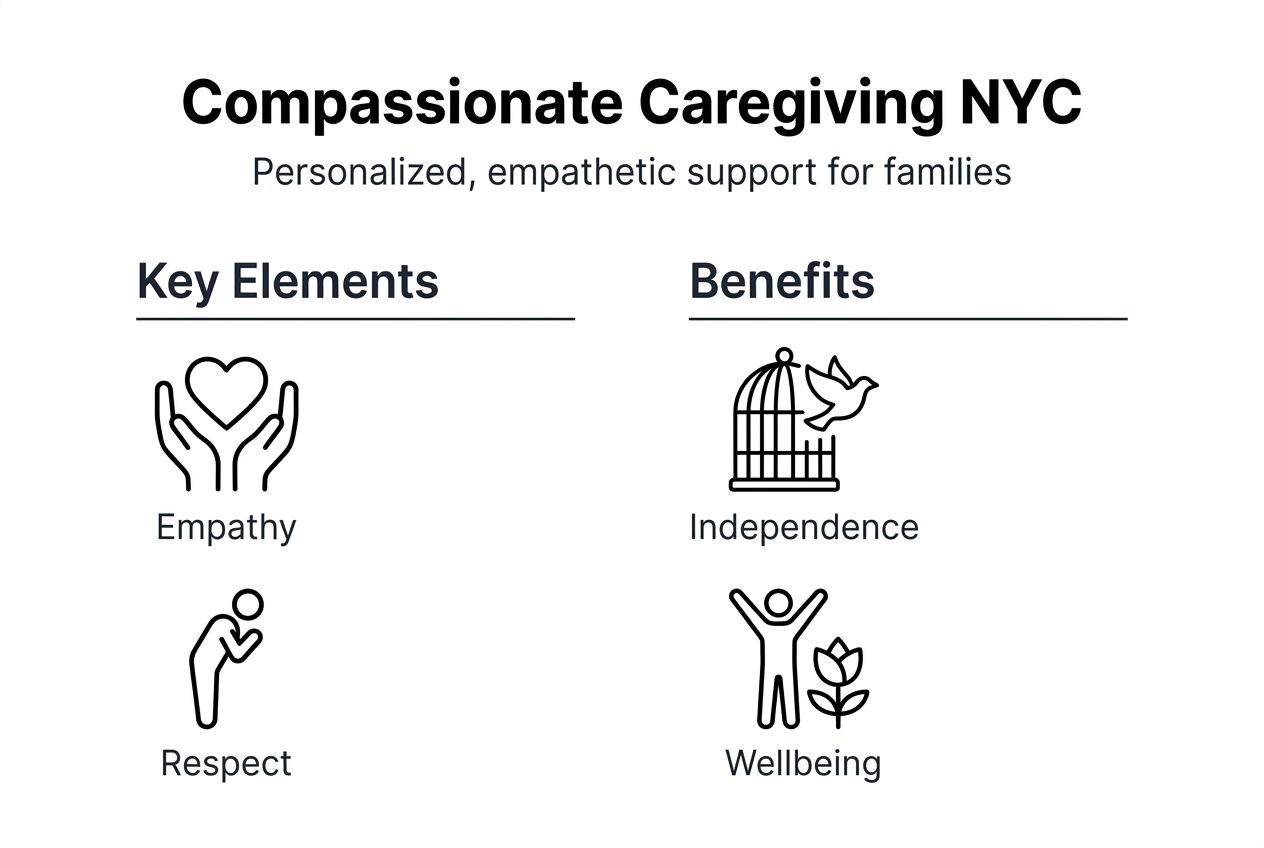
Compassionate caregiving goes beyond completing tasks. It centers on empathy, respect, and personalized attention that preserves your loved one’s dignity and independence.
Home health and personal care aides monitor conditions of people with disabilities or chronic illnesses while helping with daily living activities. These caregivers assist with bathing, dressing, meal preparation, medication reminders, and mobility support. The difference between routine care and compassionate caregiving lies in how aides deliver these services.
Compassionate caregivers treat clients as whole people with unique histories, preferences, and emotional needs. They listen actively, communicate with warmth, and adapt their approach based on your loved one’s mood and condition each day. This personalized attention reduces anxiety, builds trust, and creates genuine human connection that improves quality of life.
Families seeking personalized home health services should expect caregivers who demonstrate these essential qualities:
Deep empathy and emotional intelligence to recognize unspoken needs
Consistent reliability and punctuality that builds security
Patient-centered communication that respects autonomy and choices
Cultural sensitivity and language skills matching your family’s background
Flexibility to adjust care plans as conditions evolve
The best home health aides view their role as a partnership with families, working together to maintain your loved one’s independence and comfort at home.
New York State’s master plan for aging and compassionate care improvements
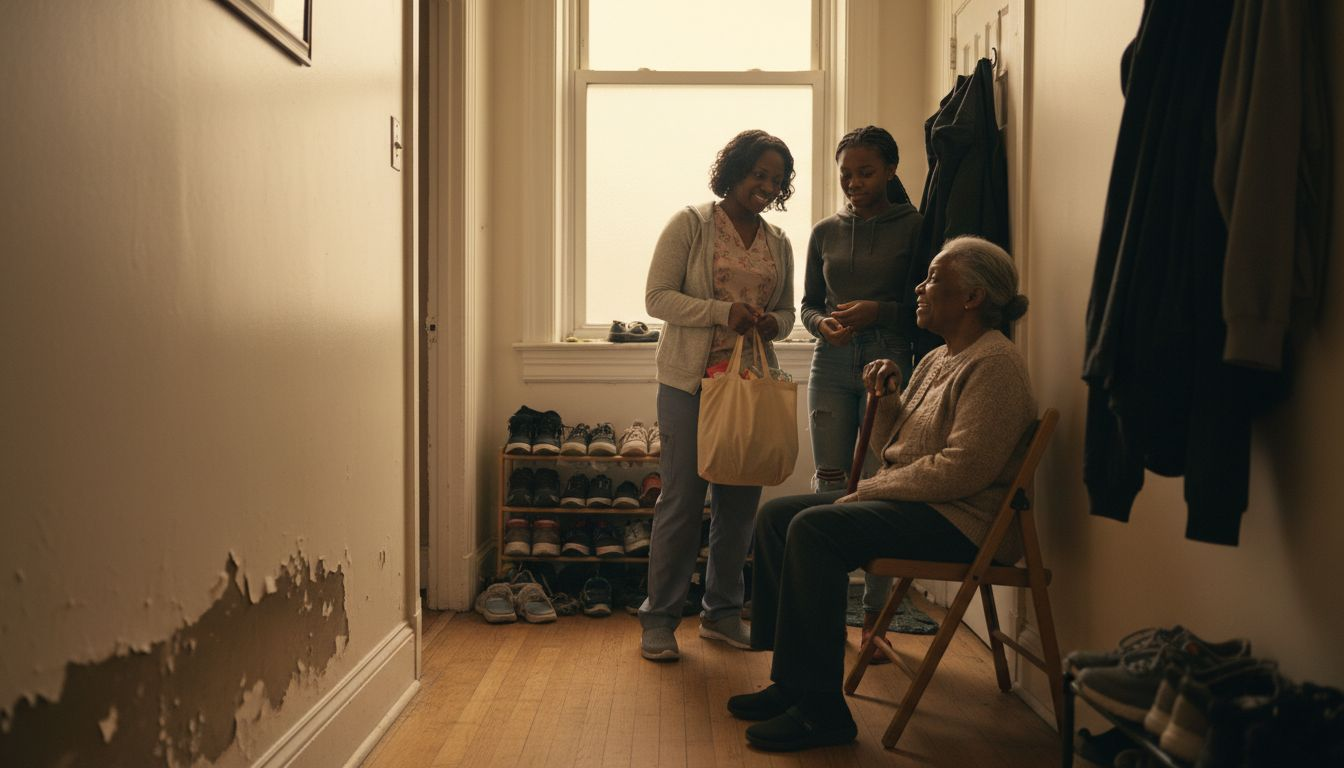
New York State actively works to expand and improve compassionate caregiving services for older adults and people with disabilities throughout the five boroughs and surrounding counties.
The Master Plan for Aging presented to Governor Hochul aims to improve services and supports for older adults and people with disabilities. This comprehensive initiative addresses gaps in current caregiving systems and charts a path toward more accessible, higher quality care.
The plan focuses heavily on enhancing home and community-based services that allow seniors and disabled individuals to age in place with dignity. For NYC families, this means improved access to trained caregivers, better care coordination between providers, and stronger support for family caregivers managing complex needs.
Key initiatives under the Master Plan include:
Enhanced training programs for home health aides emphasizing compassionate care techniques
Expanded Medicaid coverage for home and community-based services
Improved care coordination systems connecting families with appropriate resources
Support services for family caregivers including respite care and education
Technology integration enabling remote monitoring and caregiver communication
These state efforts directly benefit families seeking supportive home services in NYC by raising care standards and increasing provider accountability. The Master Plan recognizes that compassionate caregiving improves health outcomes, reduces hospitalizations, and allows loved ones to maintain independence longer.
For families navigating complex care needs, the state’s commitment means access to better trained aides, clearer information about service options, and stronger protections ensuring quality care delivery.
Specialized approaches: person-centered dementia care and compassionate caregiving
Compassionate caregiving takes on heightened importance when your loved one lives with dementia or cognitive decline. Person-centered dementia care represents the gold standard approach.
Person-centered dementia care tailors support to the unique needs and abilities of individuals living with dementia. The Alzheimer’s Association leads in outlining principles of quality dementia care including dignity and end-of-life care. This approach recognizes that each person with dementia retains their individual identity, preferences, and capacity for meaningful experiences.
Specialized dementia caregiving includes these essential elements:
Individualized support plans that reflect your loved one’s life history, interests, and current abilities rather than applying generic dementia protocols.
Active family inclusion in care decisions, ensuring caregivers understand what matters most to your loved one and can maintain familiar routines.
Dignity preservation through respectful communication, choices in daily activities, and validation of emotions even when memory fails.
Emotional and social support addressing feelings of confusion, anxiety, or frustration with patience and creative problem solving.
Environmental adaptations creating safe, calm spaces that reduce agitation and support independence in daily tasks.
Families seeking dementia care should verify that potential caregivers understand these person-centered principles. Ask how they handle challenging behaviors, maintain engagement during care tasks, and adapt communication as cognitive abilities change.
Pro Tip: Request a trial period where you observe how the caregiver interacts with your loved one. Watch for patience during repetitive questions, gentle redirection rather than correction, and genuine warmth in their demeanor. These behaviors signal true compassionate caregiving skill.
The difference between generic dementia care and compassionate, person-centered approaches shows in daily interactions. Compassionate caregivers enter your loved one’s reality rather than forcing them into ours, reducing distress and preserving quality of life.
Families starting home care services for loved ones with dementia benefit most from agencies emphasizing specialized training and matching caregivers to client personalities and needs.
Practical tips for families choosing compassionate caregiving in New York City
Selecting the right compassionate caregiver requires careful evaluation beyond checking basic qualifications. Use this guidance to make confident decisions.
Start with this evaluation checklist when interviewing potential home care providers:
Verify New York State licensure and Joint Commission or similar accreditation
Confirm comprehensive background checks and ongoing training for all aides
Ask about caregiver screening for empathy, communication skills, and cultural competency
Request references from families with similar care needs to yours
Clarify caregiver consistency policies and backup coverage procedures
During initial consultations, ask these essential questions:
How do you match caregivers to clients based on personality and needs?
What specialized training do aides receive for conditions like dementia or Parkinson’s?
How do caregivers communicate changes in client condition to families?
What processes ensure cultural sensitivity and language compatibility?
How do you handle family concerns or requests for caregiver changes?
Pro Tip: Observe how agency representatives respond to your questions. Compassionate care agencies welcome detailed questions, offer transparent answers, and prioritize your comfort level. Defensive or vague responses signal potential issues.
Understanding typical costs helps families budget appropriately. The median annual wage for home health and personal care aides was $34,900 or $16.78 per hour in 2024. NYC rates typically run higher due to cost of living, with quality compassionate care ranging from $20 to $35 per hour depending on experience and specialized skills.
This comparison table clarifies different caregiver roles and typical responsibilities:
Role | Primary Duties | Typical NYC Wage Range |
Personal Care Aide | Bathing, dressing, meal prep, companionship | $20-$26/hour |
Home Health Aide | Personal care plus basic health monitoring, vital signs | $24-$30/hour |
Certified Nursing Assistant | Medical tasks, medication management, wound care | $28-$35/hour |
Live-in Caregiver | 24-hour availability, comprehensive daily support | $250-$400/day |
Remember that the lowest cost option rarely delivers the compassionate, personalized care your loved one deserves. Quality agencies invest in caregiver training, fair wages, and ongoing supervision that justify slightly higher rates.
Families exploring home health services overview should request detailed care plans showing how agencies will address your loved one’s specific needs, preferences, and goals. Comprehensive planning demonstrates commitment to truly compassionate, individualized care.
Consider supportive home services that complement direct caregiving, such as care coordination, family education, and regular check-ins ensuring care quality remains high over time.
Explore compassionate home care services in New York City
Friendly Home Care delivers compassionate, person-centered home health services throughout NYC’s five boroughs and Westchester County. Our licensed, accredited agency matches carefully screened caregivers to your family’s unique needs, ensuring your elderly or disabled loved one receives respectful, professional support at home.
We offer comprehensive personalized home health services including personal care assistance, companionship, mobility support, medication reminders, and specialized dementia care. Our multilingual caregivers provide culturally sensitive support in the language most comfortable for your family. NYC’s diverse communities deserve home care services in Spanish and other languages that facilitate clear communication and trust.
Explore how compassionate home health care from Friendly Home Care helps your loved one maintain independence, dignity, and quality of life in the comfort of home. Contact us today for a personalized consultation and care plan tailored to your family’s specific situation.
What is compassionate caregiving? Frequently asked questions
What distinguishes compassionate caregiving from general care?
Compassionate caregiving emphasizes empathy, personalization, and emotional connection beyond completing physical care tasks. While general care focuses on assisting with daily activities, compassionate caregivers treat clients as whole people with unique histories and preferences. They adapt their approach based on individual needs, communicate with warmth and respect, and build genuine relationships that reduce anxiety and improve wellbeing.
How does compassionate caregiving benefit elderly or disabled loved ones?
Compassionate care improves quality of life by preserving dignity, independence, and emotional wellbeing. Clients receiving empathetic, personalized support experience less anxiety, better cooperation with care routines, and stronger sense of security at home. Research shows compassionate caregiving reduces hospitalizations, improves medication adherence, and allows seniors to age in place longer with greater life satisfaction.
What should families expect from a compassionate home care aide?
Expect caregivers who listen actively to your loved one’s preferences, communicate respectfully, and adjust their approach based on daily needs and moods. Compassionate aides demonstrate patience during challenging moments, validate emotions, and maintain consistency that builds trust. They should also communicate openly with family members about care progress and any concerns requiring attention.
Can compassionate caregiving accommodate specialized needs like dementia?
Yes, person-centered dementia care represents a specialized form of compassionate caregiving. Trained dementia caregivers understand how to enter your loved one’s reality, use validation techniques rather than correction, and maintain engagement through familiar activities. They create calm environments, handle challenging behaviors with patience, and preserve identity and dignity as cognitive abilities change.
How to start arranging compassionate in-home care in New York City?
Begin by identifying your loved one’s specific care needs, preferences, and any specialized requirements like language or cultural considerations. Research licensed, accredited NYC home care agencies emphasizing compassionate, personalized services. Schedule consultations to discuss care plans, meet potential caregivers, and verify training in areas important to your family. Request trial periods to ensure good caregiver fit before committing to long-term arrangements.
Recommended