
Compassionate care practices list for senior home care
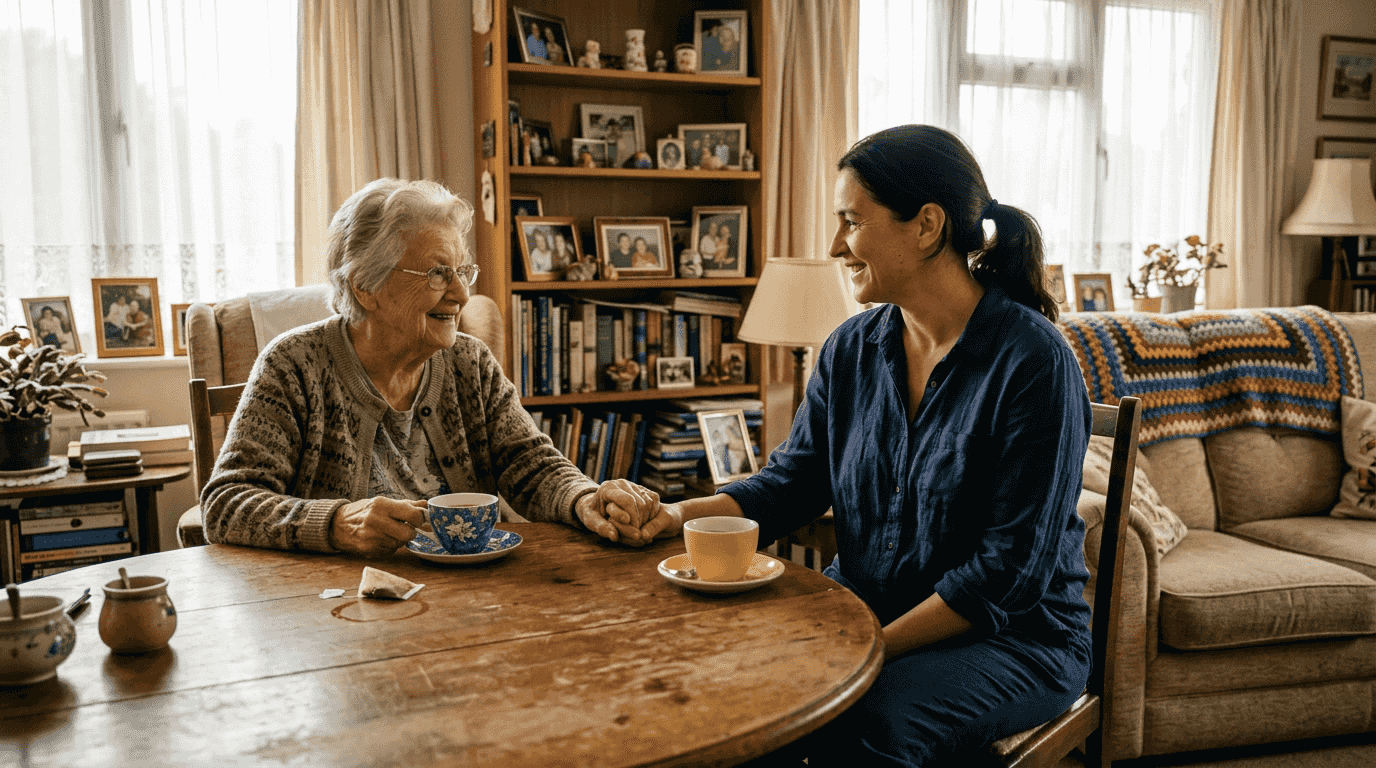
Choosing the right in-home care for a senior loved one can feel overwhelming, especially when you want services that go beyond basic medical support to truly honor their dignity, preferences, and quality of life. Families across New York City and Westchester County face the challenge of finding care providers who combine clinical expertise with genuine compassion and personalization. This article provides a comprehensive, research-backed list of compassionate care practices that define excellent in-home senior care, helping you make informed decisions that improve your loved one’s well-being and comfort at home.
Table of Contents
Key takeaways
Point | Details |
Person-centered care is essential | Personalized approaches focus on the whole individual beyond symptoms, especially for dementia patients. |
Multidisciplinary teams enhance outcomes | Combining medical, emotional, and social expertise delivers comprehensive support and better symptom management. |
Detailed history gathering matters | Collecting thorough medical and personal backgrounds enables truly tailored care plans. |
Compassionate care improves well-being | Emotional support and relationship-building reduce isolation and boost seniors’ quality of life at home. |
Criteria for evaluating compassionate care practices
Before diving into specific practices, you need clear criteria to evaluate whether a home care provider truly delivers compassionate, personalized support. Understanding these standards helps you ask the right questions and identify agencies that prioritize your loved one’s unique needs rather than offering one-size-fits-all solutions.
Person-centered care forms the foundation of compassionate support. This approach recognizes seniors as whole individuals with rich histories, preferences, and values, not just medical diagnoses. Effective providers invest time in building meaningful relationships with clients, learning their routines, hobbies, and what brings them joy. This depth of understanding transforms care from a transactional service into a supportive partnership.
Multidisciplinary team structures signal a provider’s commitment to comprehensive care. Look for agencies that coordinate nurses, aides, therapists, and social workers to address medical, emotional, and practical needs simultaneously. This collaborative model ensures nothing falls through the cracks and your loved one receives well-rounded support tailored to their situation.
Thorough history gathering demonstrates a provider’s dedication to personalization. Quality agencies conduct detailed assessments that capture medical conditions, medication regimens, mobility challenges, dietary preferences, cultural backgrounds, and family dynamics. This information becomes the blueprint for customized care plans that evolve as needs change.
Communication practices reveal how well a provider partners with families. Seek agencies that encourage your involvement in care planning, provide regular updates, and welcome your input. Transparent communication builds trust and ensures care aligns with your loved one’s values and your family’s expectations. Providers who view families as essential team members rather than outsiders deliver more compassionate, coordinated support.
Pro Tip: During initial consultations, ask specific questions about how the agency gathers client histories and involves families in care decisions. Vague answers or resistance to family participation are red flags that the provider may not prioritize quality home care characteristics.
Top compassionate care practices list for in-home senior care
With evaluation criteria established, here are the essential compassionate care practices that distinguish excellent home health services. These evidence-based approaches improve outcomes and quality of life for seniors aging in place.
Personalized care planning tops the list. Home health care delivers personalized services in patients’ homes, tailoring medical and supportive interventions to individual preferences and needs. Care plans should reflect your loved one’s daily routines, favorite activities, cultural practices, and specific health goals. Regular updates ensure plans remain relevant as conditions evolve.
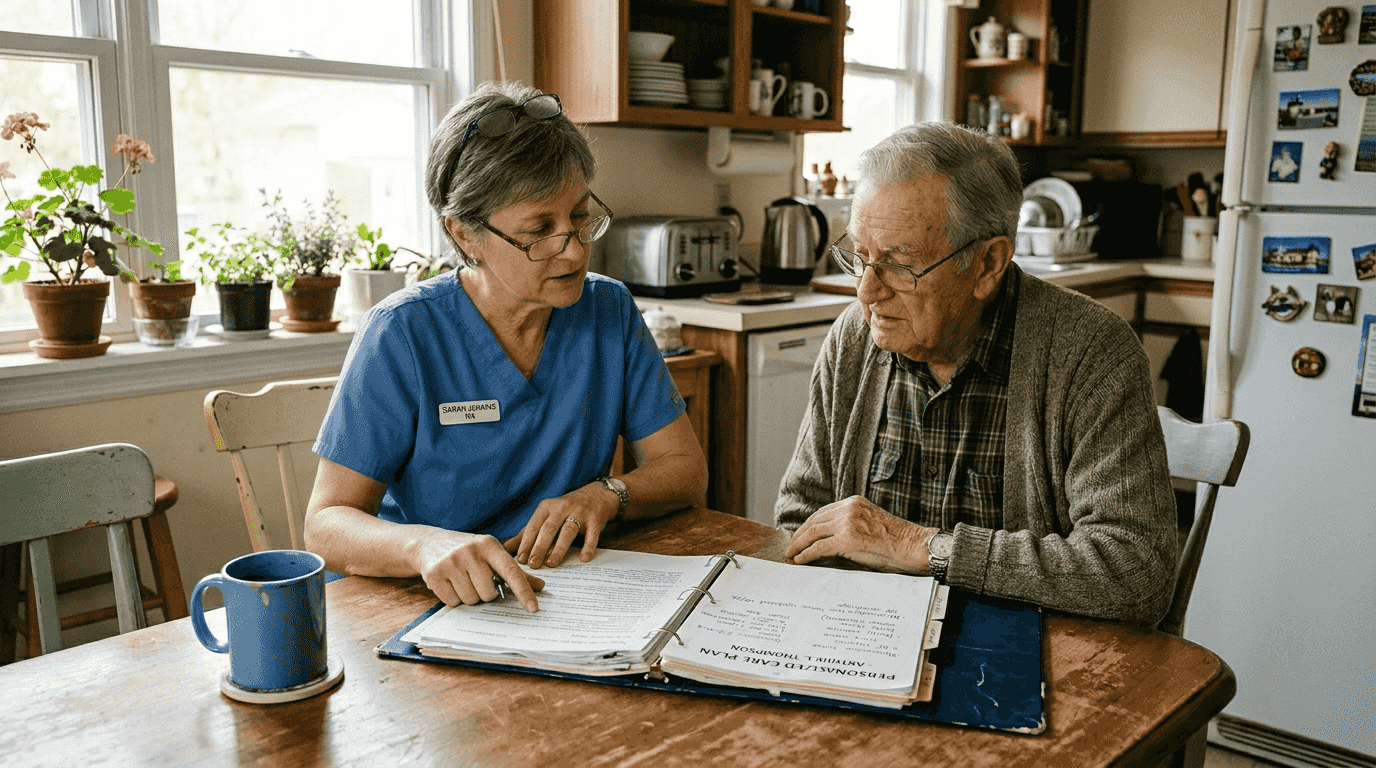
Continuous medical monitoring and symptom management provide peace of mind. Skilled nurses track vital signs, manage medications, monitor chronic conditions, and recognize early warning signs of complications. This proactive approach prevents hospital readmissions and keeps seniors stable at home.
Emotional support and companionship address the often-overlooked psychological dimensions of aging. Isolation and loneliness significantly impact seniors’ mental and physical health. Caregivers who engage clients in conversations, accompany them on walks, participate in hobbies, and provide genuine human connection reduce depression and improve overall well-being.
Family involvement in care discussions honors the relationships that matter most. Quality providers actively seek family input, share decision-making responsibilities, and respect the values and traditions that shape your loved one’s identity. This collaborative approach ensures care feels familiar and comforting rather than institutional.
Flexibility and responsiveness accommodate the unpredictable nature of aging. Needs change quickly, sometimes day to day. Compassionate providers adjust schedules, modify care plans, and respond promptly to new challenges without rigid bureaucracy. This adaptability reduces stress for both seniors and families.
Cultural competence and language access ensure respectful, effective communication. New York’s diversity requires caregivers who understand different cultural approaches to health, family roles, and end-of-life care. Multilingual aides bridge language gaps and build trust with clients and families.
Pro Tip: Request a trial period or initial assessment to observe how caregivers interact with your loved one. Chemistry and rapport matter as much as clinical skills in delivering truly compassionate supportive home services.
Comparing compassionate care models and multidisciplinary approaches
Understanding different care models helps you identify which approach best serves your loved one’s needs. Comparing traditional and person-centered frameworks reveals how multidisciplinary teams optimize outcomes.
Traditional medical models focus primarily on treating diseases and managing symptoms. Care revolves around diagnoses, medications, and clinical protocols. While medically sound, this approach often overlooks emotional, social, and spiritual dimensions that profoundly affect quality of life. Seniors may receive excellent clinical care but feel like passive recipients rather than active participants.
Person-centered models flip this paradigm by starting with the individual’s preferences, values, and life story. Medical interventions support broader goals like maintaining independence, enjoying meaningful activities, and staying connected to family. Care teams adapt clinical protocols to fit the person rather than forcing the person to fit protocols.
Multidisciplinary palliative care approaches combine expertise from multiple disciplines to address complex needs holistically. Teams typically include physicians, nurses, social workers, therapists, and chaplains who coordinate interventions and share information. This collaboration produces better symptom control, enhanced emotional well-being, and higher family satisfaction compared to siloed care.
Implementing multidisciplinary frameworks in home settings requires intentional coordination. Regular team meetings, shared electronic records, clear communication channels, and defined roles ensure seamless collaboration. Specialized teams like SPRINT (Specialized Palliative and Rehabilitation Intervention Team) demonstrate how focused multidisciplinary efforts improve outcomes for complex cases.
Care Model | Primary Focus | Team Structure | Key Benefits |
Traditional Medical | Disease management and symptom control | Single discipline or loosely coordinated | Strong clinical outcomes, clear protocols |
Person-Centered | Individual preferences, values, and quality of life | Integrated multidisciplinary team | Enhanced emotional well-being, personalized support |
Multidisciplinary Palliative | Holistic comfort and family support | Coordinated specialists across disciplines | Superior symptom management, family satisfaction |
The most effective home care providers blend these models, maintaining clinical excellence while prioritizing personalization and holistic support. They recognize that medical competence alone doesn’t constitute compassionate care. True compassion requires understanding who your loved one is, what matters to them, and how to deliver care that honors their humanity.
Pro Tip: Ask potential providers how they coordinate care among different team members and how often teams communicate about your loved one’s evolving needs. Frequent, structured communication indicates robust multidisciplinary practices similar to those used when you start home care services.
Making the right compassionate care decision for your loved one
Armed with knowledge of practices and models, you can now navigate the selection process with confidence. Making the right choice requires assessing your specific situation and matching it to provider capabilities.
Begin by thoroughly assessing your loved one’s unique needs across medical, emotional, and social dimensions. Document current health conditions, medications, mobility limitations, cognitive status, and daily living challenges. Consider emotional factors like social isolation, depression, or anxiety. Evaluate social needs including family involvement preferences, cultural considerations, and community connections. This comprehensive picture guides your search.
Provider transparency and communication style matter enormously. During consultations, notice whether agencies listen carefully, ask thoughtful questions, and provide clear, honest answers. Beware of providers who make unrealistic promises or pressure you into quick decisions. Quality agencies take time to understand your situation and explain how they can help.
Customization and flexibility separate excellent providers from mediocre ones. Inquire how agencies adapt care plans to individual preferences and changing needs. Ask about scheduling flexibility, caregiver continuity, and responsiveness to urgent situations. Rigid, inflexible providers struggle to deliver truly personalized support.
Experience with specific conditions builds confidence. If your loved one has dementia, Parkinson’s, diabetes, or mobility challenges, seek providers with demonstrated expertise in those areas. Specialized training and experience translate to better outcomes and fewer complications.
Real success stories demonstrate remarkable progress through personalized intervention. Case studies and testimonials reveal how agencies handle complex situations and deliver results. Look for specific examples rather than generic praise.
Follow these steps to make your decision:
Create a detailed needs assessment covering medical, emotional, and social factors
Research multiple providers and check licenses, accreditations, and reviews
Schedule consultations with your top three choices
Prepare specific questions about care practices, team coordination, and customization
Request references from families with similar situations
Arrange trial periods or initial assessments before committing long term
Trust your instincts about rapport and cultural fit
Pro Tip: Include your loved one in consultations whenever possible. Their comfort with caregivers and agency representatives provides valuable insight into whether the relationship will work. Even seniors with cognitive challenges often sense whether someone genuinely cares about them.
Remember that choosing home health services is not a one-time decision. You can adjust, change providers, or modify care plans as needs evolve. The right agency welcomes ongoing feedback and views your relationship as a partnership rather than a contract.
Explore personalized compassionate care services with Friendly Home Care
The compassionate care practices outlined in this article come to life through providers who genuinely prioritize seniors’ dignity, comfort, and quality of life. Friendly Home Care brings these evidence-based approaches to families throughout New York City and Westchester County, combining clinical excellence with the personalized, relationship-focused support that defines truly compassionate home care.
Our team embraces person-centered, multidisciplinary methods that address medical needs while honoring each client’s unique preferences, values, and life story. We gather detailed histories, involve families in care planning, and adapt our services as your loved one’s needs change. From Brooklyn to Manhattan, Queens to Westchester, our multilingual caregivers deliver culturally sensitive support that helps seniors thrive at home.
Contact Friendly Home Care to learn how our personalized home health services can provide the compassionate support your family deserves. Schedule a consultation to discuss your loved one’s specific needs and discover why families across New York trust us for compassionate home health care that truly makes a difference.
Frequently asked questions
What are common compassionate care practices for seniors at home?
Compassionate care practices include personalized care plans tailored to individual preferences, continuous medical monitoring and symptom management, emotional support and companionship to reduce isolation, and active family involvement in care decisions. These practices recognize seniors as whole individuals rather than just medical cases. Quality providers also emphasize cultural competence, flexible scheduling, and relationship-building between caregivers and clients to create supportive, trusting partnerships.
How do multidisciplinary teams improve compassionate care outcomes?
Multidisciplinary teams combine medical professionals, social workers, therapists, and trained aides who coordinate their expertise to address physical, emotional, and social needs simultaneously. This comprehensive approach produces better symptom management, enhanced emotional well-being, and higher family satisfaction compared to single-discipline care. Teams communicate regularly, share information through coordinated systems, and adapt interventions based on collective insights. The result is holistic support that prevents gaps and responds to the full complexity of aging at home.
What should families look for when selecting home care services?
Families should prioritize providers who offer personalized care plans, demonstrate clear communication, and welcome family involvement in decisions. Check for experience with your loved one’s specific medical conditions, mobility challenges, or cognitive issues. Assess flexibility in scheduling and responsiveness to changing needs. Verify licenses, accreditations, and read testimonials from families with similar situations. During consultations, observe whether the agency listens carefully and provides honest, detailed answers rather than generic promises.
How can families support compassionate care at home?
Families play a crucial role by sharing detailed medical histories, personal preferences, routines, and cultural considerations with care teams. Engage actively in care planning meetings and provide regular feedback about what’s working and what needs adjustment. Advocate for your loved one’s comfort, dignity, and preferences throughout the care relationship. Maintain open communication channels with caregivers and agency coordinators. Your involvement ensures care remains aligned with your loved one’s values and adapts appropriately as their needs evolve.
Recommended