
Personalized Caregiving Process: A 2026 Family Guide
TL;DR:
Personalized caregiving creates tailored plans focusing on each senior’s unique health, emotional, and lifestyle needs. It involves thorough in-home assessments, shared decision-making, and regular plan updates to ensure ongoing relevance. Family involvement and caregiver consistency greatly improve trust, comfort, and care outcomes.
The personalized caregiving process is the method of creating and maintaining individualized care plans designed around a person’s unique health, emotional, and lifestyle needs to optimize elder care. Unlike a generic checklist of tasks, this approach treats each senior as a whole person, not a set of symptoms. It brings together family members, professional caregivers, and licensed healthcare providers to build a plan that fits one person’s life. When done right, it improves coordination, increases adherence to care routines, and raises quality of life for seniors and the families who support them.
What are the essential steps to create a personalized caregiving plan?
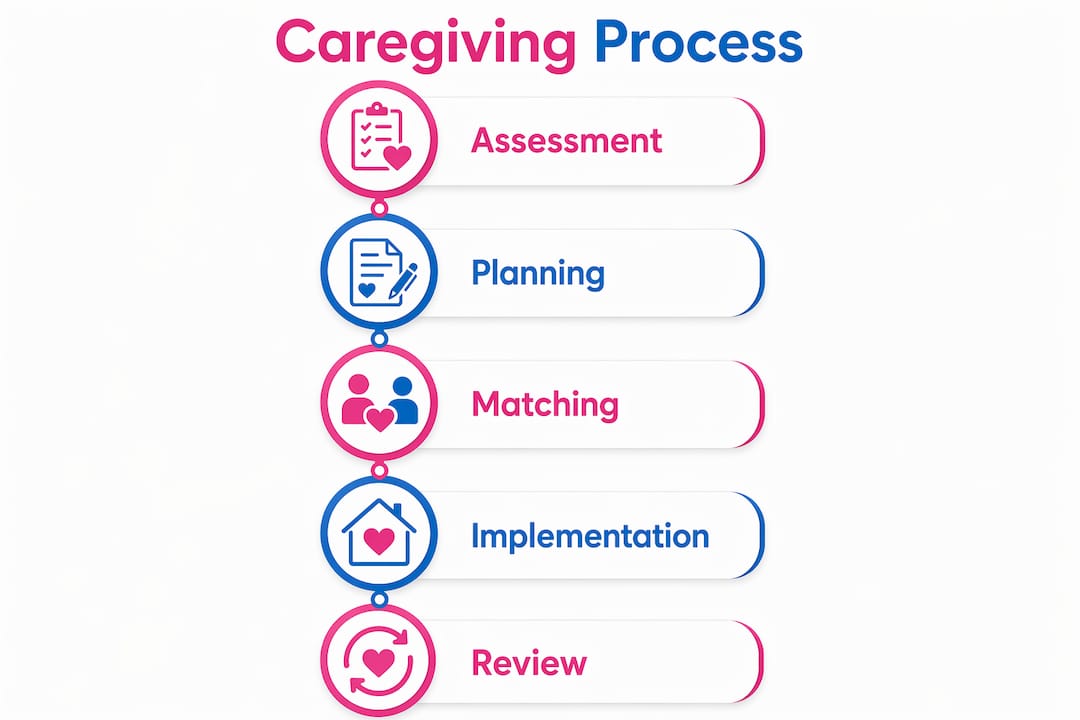
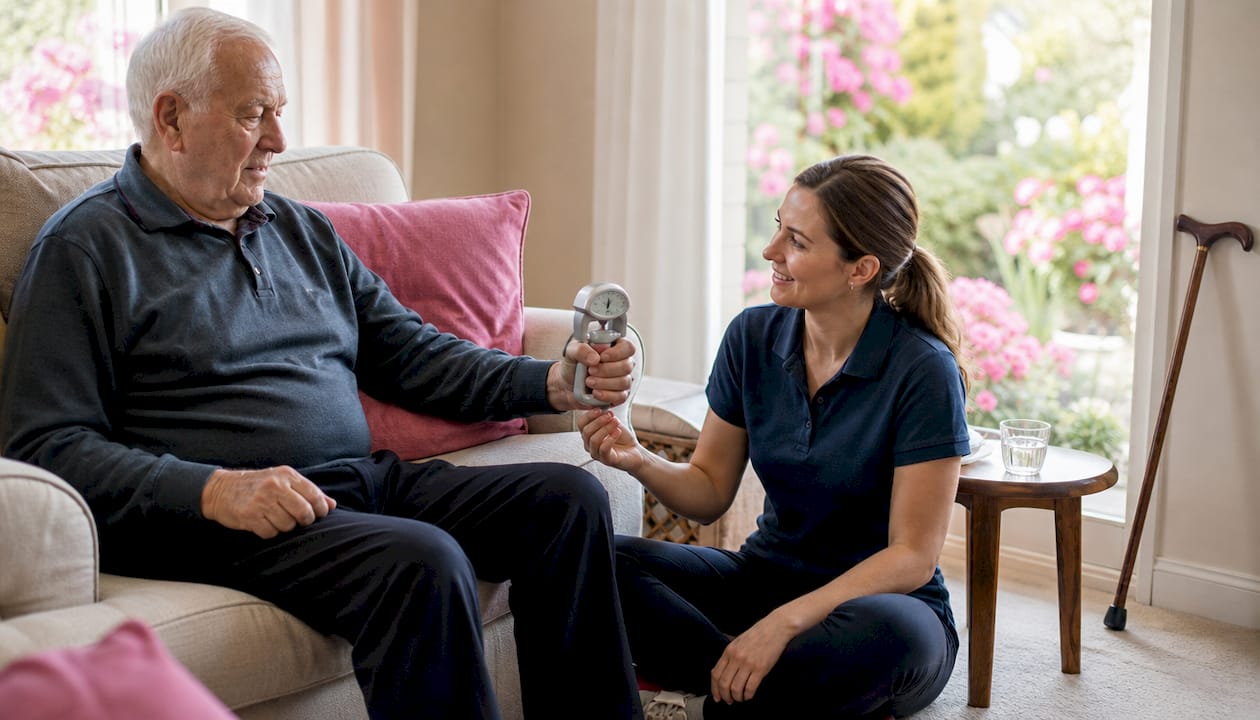
A strong individualized care plan starts with a thorough in-home assessment. Conducting the evaluation on-site is non-negotiable. In-home assessments uncover fall hazards, environmental challenges, and safety risks that a phone interview or office visit will miss entirely. A caregiver walking through the home sees the loose rug by the bathroom, the dim hallway lighting, and the refrigerator stocked with foods the senior cannot safely prepare alone.
The assessment covers medical history, current medications, cognitive and physical abilities, daily routines, social connections, and personal preferences. After gathering that information, the care team and family sit down together to set measurable goals. Treating the care recipient as the plan’s owner, not a passive subject, produces better coordination and reduces duplicated effort across the care team.
Formalizing the plan requires oversight by a licensed health provider. Formal care plans must include the disciplines involved, frequency of visits, and measurable outcomes per CMS conditions of participation. The interdisciplinary team signs off, and a review schedule is set from day one.
The six core steps look like this:
Conduct an on-site assessment covering medical, cognitive, physical, social, and environmental factors.
Engage the senior and family in shared decision-making to set priorities.
Document measurable goals with specific interventions tied to each goal.
Assign roles across caregivers, family members, and healthcare professionals.
Obtain licensed provider approval per 2026 industry standards.
Schedule the first formal review no later than 60 days from the care start date.
Step | Key action | Who leads |
In-home assessment | Identify safety risks and personal needs | Care coordinator |
Goal setting | Define measurable, person-centered outcomes | Family + provider |
Plan documentation | Record interventions and frequencies | Licensed provider |
Role assignment | Clarify caregiver and family responsibilities | Care team |
Formal review | Revise plan every 60 days or sooner if needed | Interdisciplinary team |
How to personalize caregiving to individual preferences and lifestyle
Personalization goes far beyond managing medications and scheduling baths. The details that feel small to an outside observer often matter most to the person receiving care. Documenting personal preferences early, including favorite meals, preferred wake-up times, music choices, and communication styles, enables caregiver matching that goes beyond clinical skill. A senior who loves jazz and a late breakfast will feel more at ease with a caregiver who respects those rhythms without being told twice.
Matching caregiver personality and communication style to the individual is one of the highest-impact decisions a family can make. Consistent, familiar caregivers matched to personality and preferences reduce stress for seniors and their families. Rotating through multiple unfamiliar faces undermines trust and increases anxiety, especially for seniors living with cognitive decline.
Emotional and social well-being belong in the plan alongside physical tasks. Companionship, community involvement, and regular conversation are not extras. They are care. A senior who previously volunteered at her local library may benefit from a caregiver who reads aloud or helps her stay connected to that community, even in small ways.
Key personalization strategies include:
Record daily rhythm preferences. Note preferred wake times, meal times, and rest periods and build the schedule around them.
Match caregiver communication style. A quiet, reserved senior may feel overwhelmed by an overly chatty caregiver. Fit matters.
Include social goals in the plan. Weekly phone calls with family, a favorite TV program, or a short walk outside count as care activities.
Respect cultural and language preferences. Multilingual caregivers reduce misunderstandings and build trust faster.
Revisit preferences regularly. What a senior enjoys in january may shift by april. Ask, do not assume.
Pro Tip: Ask the senior to describe a perfect day, from waking up to going to sleep. That single conversation reveals more about care preferences than any standardized intake form.
How to ensure ongoing adaptation and communication in the caregiving process
A care plan that never changes is a plan that stops working. Care plans must be reviewed at least every 60 days, or sooner when the senior’s condition changes significantly. That 60-day standard exists because health, cognition, and circumstances shift. A plan written in march may be dangerously out of date by june if no one has revisited it.
Structured communication among caregivers, family members, and healthcare providers prevents the gaps that lead to missed medications, repeated tasks, or conflicting instructions. Integrating a dedicated case manager and interoperable digital systems reduces patient anxiety and supports continuity of care, particularly for seniors managing chronic conditions. Digital tools that allow real-time updates mean a caregiver who notices a change in appetite on Tuesday can flag it before the family’s Friday check-in.
Families who use interoperable care technology report fewer coordination errors and faster response times when a senior’s needs shift. That speed matters most during transitions, such as returning home after a hospital stay.
Practices that keep a care plan current:
Set a formal 60-day review date at the start of care and protect it on the calendar.
Create a shared communication log that all caregivers and family members can access and update.
Document progress toward each goal at every visit, not just during formal reviews.
Trigger an unscheduled review any time the senior is hospitalized, falls, or shows a notable change in mood or cognition.
Revise goals, not just tasks. If a senior regains mobility, the goal shifts. The plan must reflect that.
Pro Tip: Assign one family member as the primary communication point. A single coordinator who relays updates to the full care team prevents conflicting instructions and reduces caregiver confusion.
What roles do family members and caregivers play in the personalized caregiving process?
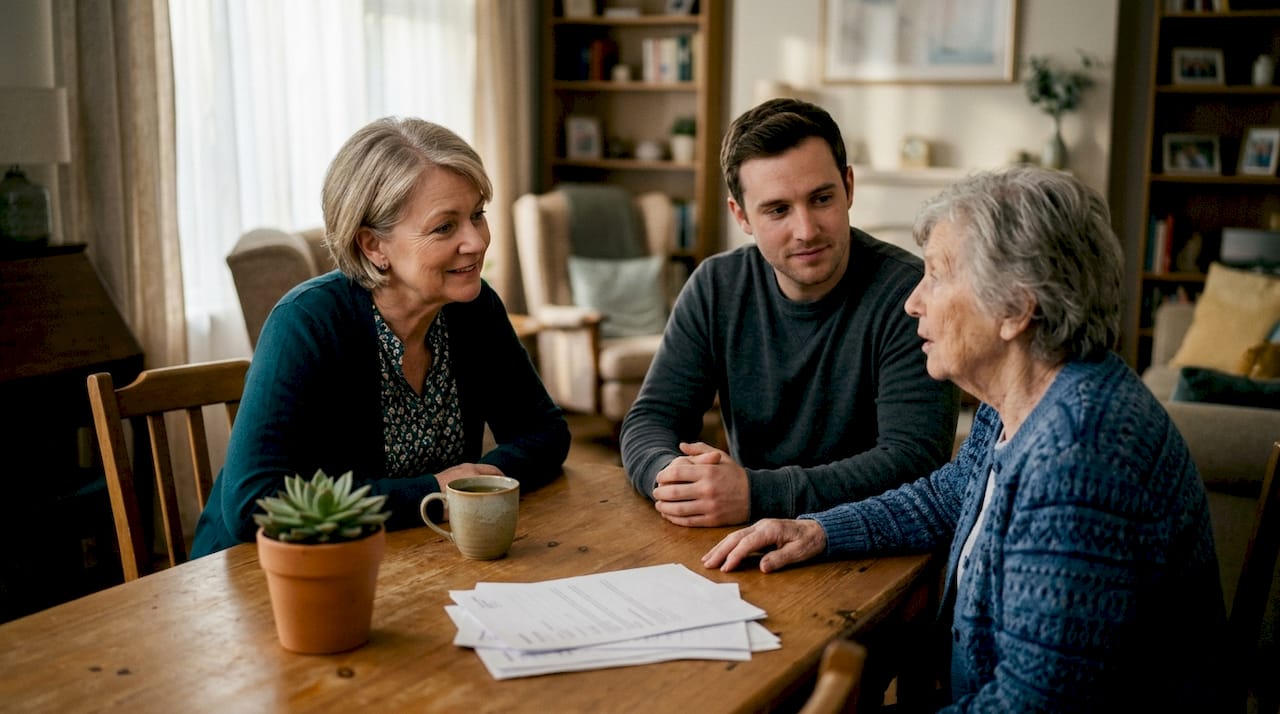
Family members are active partners in tailored caregiving services, not background observers. Family involvement as an active partner improves communication, enhances trust, and reduces caregiver burnout. Families who attend care reviews, ask questions, and share observations about the senior’s daily mood and behavior give the care team information that no clinical assessment captures alone.
Caregivers carry responsibilities that extend well beyond completing a task list. Building a genuine relationship with the senior, learning their preferences, and noticing subtle changes in behavior are core parts of the job. A caregiver who knows that a senior always greets the morning with coffee and the news will immediately recognize when that routine breaks down, and that recognition can catch a health change early.
Training and cultural matching amplify caregiver effectiveness. A caregiver who speaks the senior’s language and understands their cultural background removes a significant barrier to trust. In a city as diverse as New York, this is not a luxury. It is a standard of care.
Best practices for family and caregiver collaboration:
Designate a family care coordinator who attends reviews and serves as the primary contact.
Share personal history with caregivers. A senior’s life story, career, and relationships give caregivers context that improves daily interactions.
Encourage caregivers to document observations. Small behavioral changes noted in writing become patterns that inform plan updates.
Avoid undermining the caregiver’s routine. Consistent schedules reduce anxiety for seniors, especially those with dementia.
What common challenges arise in personalized caregiving and how to address them?
The most common mistake families make is treating the care plan as a finished document. Static, outdated care plans create service gaps and reduce care effectiveness over time. A plan written at the start of care reflects one moment in time. The senior’s needs will change, and the plan must change with them.
Underestimating the value of the in-home assessment is the second most common error. Families sometimes skip or rush the initial evaluation to get care started faster. That shortcut costs more time later when unidentified hazards cause falls or when mismatched care tasks frustrate the senior.
Balancing medical, emotional, and lifestyle needs in a single plan requires deliberate effort. Person-centered care focuses on what matters most to the individual each day, not just a checklist of clinical tasks. When the emotional and social dimensions are left out, adherence drops and satisfaction suffers.
Communication breakdowns among the care team are the third major challenge. They happen when there is no clear system for sharing updates, when caregivers work in isolation, or when family members receive conflicting information from different providers.
Four steps to address these challenges:
Treat the care plan as a living document and schedule reviews before they feel necessary.
Never skip the in-home assessment. Spend the time upfront to avoid costly gaps later.
Include emotional and social goals alongside medical tasks in every plan.
Build one communication system and require everyone on the care team to use it.
“The care plan is not a form you fill out once. It is a conversation you keep having. The families who treat it that way consistently report better outcomes and less stress for everyone involved.”
Key takeaways
A personalized caregiving process works because it treats each senior as an individual, not a diagnosis, and keeps the care plan current as needs evolve.
Point | Details |
Start with an on-site assessment | In-home evaluations reveal safety risks and personal needs that remote intake misses. |
Formalize the plan with provider approval | Licensed oversight and measurable goals are required under 2026 care standards. |
Review the plan every 60 days | Scheduled reviews prevent outdated plans from creating service gaps. |
Match caregivers to personality, not just skill | Consistent, familiar caregivers reduce senior anxiety and build lasting trust. |
Keep family actively involved | Family participation improves coordination and reduces caregiver burnout. |
What I’ve learned about personalized caregiving after years in this field
Brigid here. The shift I have watched happen in elder care over the past decade is real and significant. The field has moved from task completion to person-centered care, and that shift changes everything about how a care plan is built and maintained.
What families often underestimate is how much the relationship between caregiver and senior drives outcomes. You can have a technically perfect plan on paper and still deliver poor care if the caregiver and the senior do not connect. The customized care planning process works best when it starts with listening, not forms.
My honest advice to families starting this process: do not wait for a crisis to build the plan. The families who engage early, ask detailed questions about their loved one’s preferences, and stay involved in reviews consistently report less stress and better outcomes. The plan is not a bureaucratic requirement. It is the foundation of every good day your loved one has at home.
— Brigid
Personalized home care plans from Friendlyhomecareny
Friendlyhomecareny builds individualized care plans for seniors and families across New York City and Westchester County, including Brooklyn, Queens, Manhattan, the Bronx, Staten Island, and surrounding communities. Every plan starts with a thorough in-home assessment and is developed in collaboration with the family and a licensed healthcare provider. Caregivers are trained, screened, and matched to each client’s language, culture, and personal preferences. Friendlyhomecareny is licensed by the New York State Department of Health and accredited by The Joint Commission. To learn more about personalized home health services tailored to your family’s needs, schedule a consultation today.
FAQ
What is a personalized caregiving process?
A personalized caregiving process is a structured method of building and maintaining an individualized care plan based on a senior’s specific medical, emotional, and lifestyle needs. It involves an in-home assessment, shared goal-setting with family and providers, and scheduled plan reviews.
How often should a home care plan be reviewed?
Care plans must be reviewed at least every 60 days from the start of care, or sooner if the senior’s condition changes significantly.
Why does caregiver matching matter in personalized senior care?
Consistent caregivers matched to a senior’s personality and communication style reduce anxiety and build trust. Rotating through unfamiliar caregivers disrupts routines and increases stress, particularly for seniors with cognitive decline.
What should a personalized care plan include?
A complete plan includes measurable goals, specific interventions, visit frequency, disciplines involved, and a formal review schedule. It also documents personal preferences such as daily routines, dietary needs, and communication styles.
How can families stay involved in the caregiving process?
Families contribute most by attending care reviews, sharing observations about the senior’s daily mood and behavior, and designating one family member as the primary communication contact for the care team.
Recommended