
Role of family in home care: guide for NYC families

Many believe professional home care replaces family involvement entirely, but this misconception overlooks the irreplaceable contributions families make. Even with skilled caregivers managing daily tasks, family members remain central to emotional wellbeing, care coordination, and advocacy for elderly relatives. For families in New York City and Westchester navigating home care decisions, understanding how to balance professional support with family engagement is essential. This guide explores how families can effectively coordinate care, prevent burnout, communicate clearly with providers, and leverage financial resources to create a comprehensive support system that honors both professional expertise and the unique bonds only family can provide.
Table of Contents
Key takeaways
Point | Details |
Family coordination improves outcomes | Active family involvement enhances patient satisfaction and reduces hospital readmissions by maintaining continuity of care. |
Clear roles prevent burnout | Defining specific responsibilities among family members distributes caregiving load and minimizes conflicts. |
Financial aid requires understanding | Medicare covers skilled services while Medicaid supports personal care, with New York offering specialized programs. |
Cultural respect enhances care quality | Honoring linguistic and cultural preferences builds trust and improves communication between caregivers and elderly relatives. |
Understanding the family’s role in in-home care
When professional caregivers enter the home, families don’t step back. They remain vital partners in ensuring quality care for elderly relatives across New York City and Westchester. Family caregivers coordinate care, provide emotional support, and manage household tasks, though significant burnout risk exists without adequate support systems. The family’s role extends beyond logistics into emotional territory that professionals simply cannot fill.
Consider what families uniquely provide:
Emotional connection and companionship that reinforces identity and personal history
Coordination of medical appointments, medication schedules, and communication with multiple providers
Household management including meal planning, bill paying, and home maintenance
Advocacy during healthcare decisions, ensuring the elderly person’s wishes are heard and respected
In the dense urban environment of NYC and suburban Westchester, families face particular challenges. Transportation to appointments, navigating complex healthcare systems, and managing multiple specialist visits require persistent coordination. Professional caregivers handle physical care tasks, but families bridge gaps between medical visits, interpret provider instructions, and monitor changes in condition that require attention.
Understanding characteristics of quality home care for families helps relatives recognize when professional support complements rather than replaces their involvement. The most effective care models integrate both professional skill and family knowledge. Families know their elderly relative’s preferences, history, and subtle behavioral changes that signal problems. This knowledge informs better care decisions when shared with professional teams.
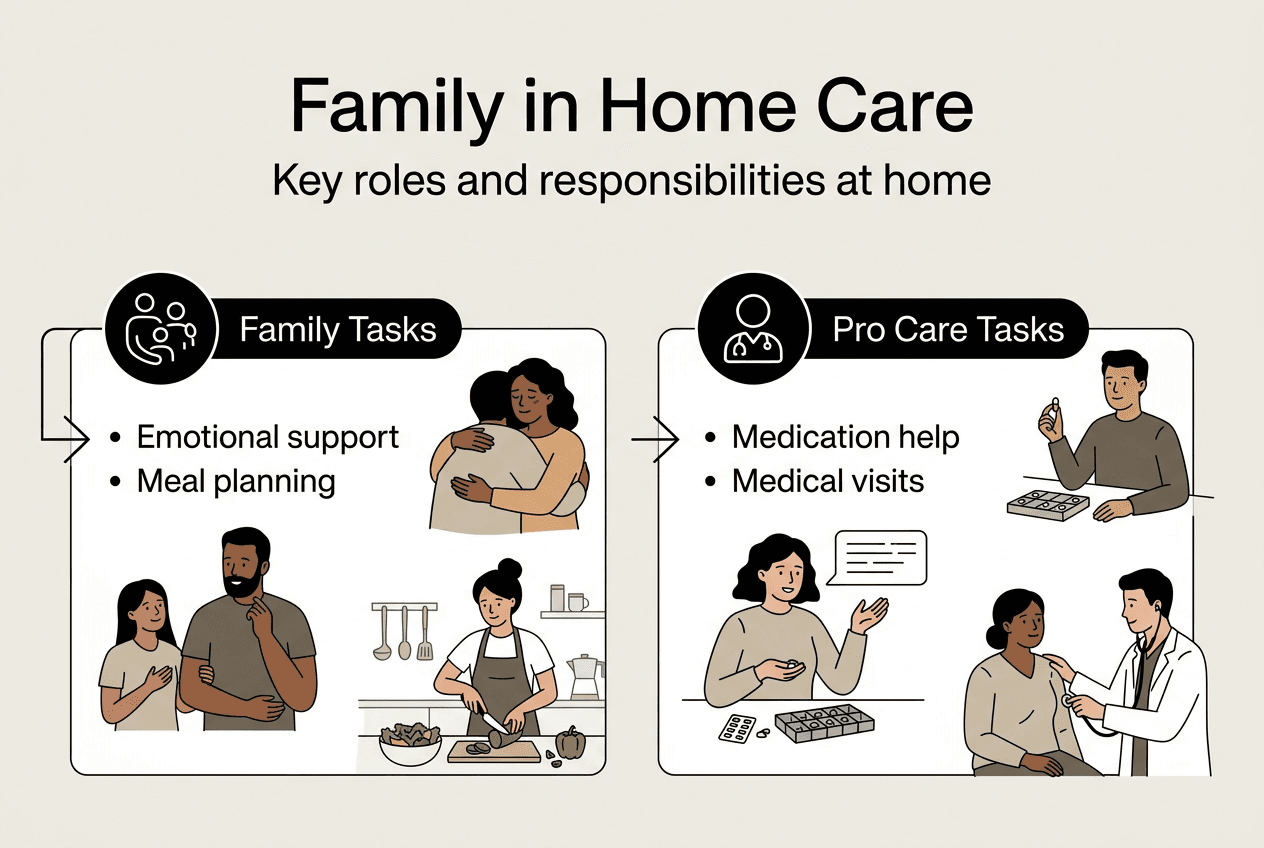
The challenge lies in defining boundaries. Families shouldn’t attempt complex medical procedures or sacrifice their own health trying to provide round the clock care. Instead, they focus on emotional support, care coordination, and advocacy while professionals handle skilled nursing, personal care assistance, and medical monitoring. Recognizing this division prevents both caregiver exhaustion and gaps in essential services. Compassionate care practices for senior home care emphasize this collaborative approach, where family insight enhances professional expertise rather than competing with it.
Balancing caregiving demands: challenges and solutions for families
The reality hits hard for many New York families. Approximately 1 in 7 Americans are part of the sandwich generation, juggling eldercare alongside raising children and maintaining careers, with 25% reporting high stress levels. In the NYC metro area specifically, 45% of family caregivers feel overwhelmed, with 60% citing lack of respite care as their primary challenge. The pressure intensifies in expensive urban markets where both partners often work full time to afford housing costs.
Recognizing burnout signs early makes intervention possible. Watch for persistent exhaustion, withdrawal from social activities, increased irritability, neglect of personal health, or feelings of resentment toward the care recipient. These symptoms signal that current arrangements aren’t sustainable. Without changes, caregiver health deteriorates, ultimately compromising the care they provide.
Practical strategies for managing caregiving stress include:
Schedule regular respite care, allowing primary caregivers consistent breaks to recharge
Join support groups where caregivers share experiences and coping strategies
Divide responsibilities clearly among family members rather than placing burden on one person
Set realistic expectations about what you can personally provide versus what requires professional help
Maintain your own medical appointments, exercise routine, and social connections
Effective care coordination reduces hospital readmissions and improves health outcomes for elderly relatives. When families communicate well with professional caregivers and healthcare providers, medication errors decrease, symptoms get addressed promptly, and preventable complications are avoided. This coordination requires intentional effort but pays dividends in both care quality and family peace of mind.
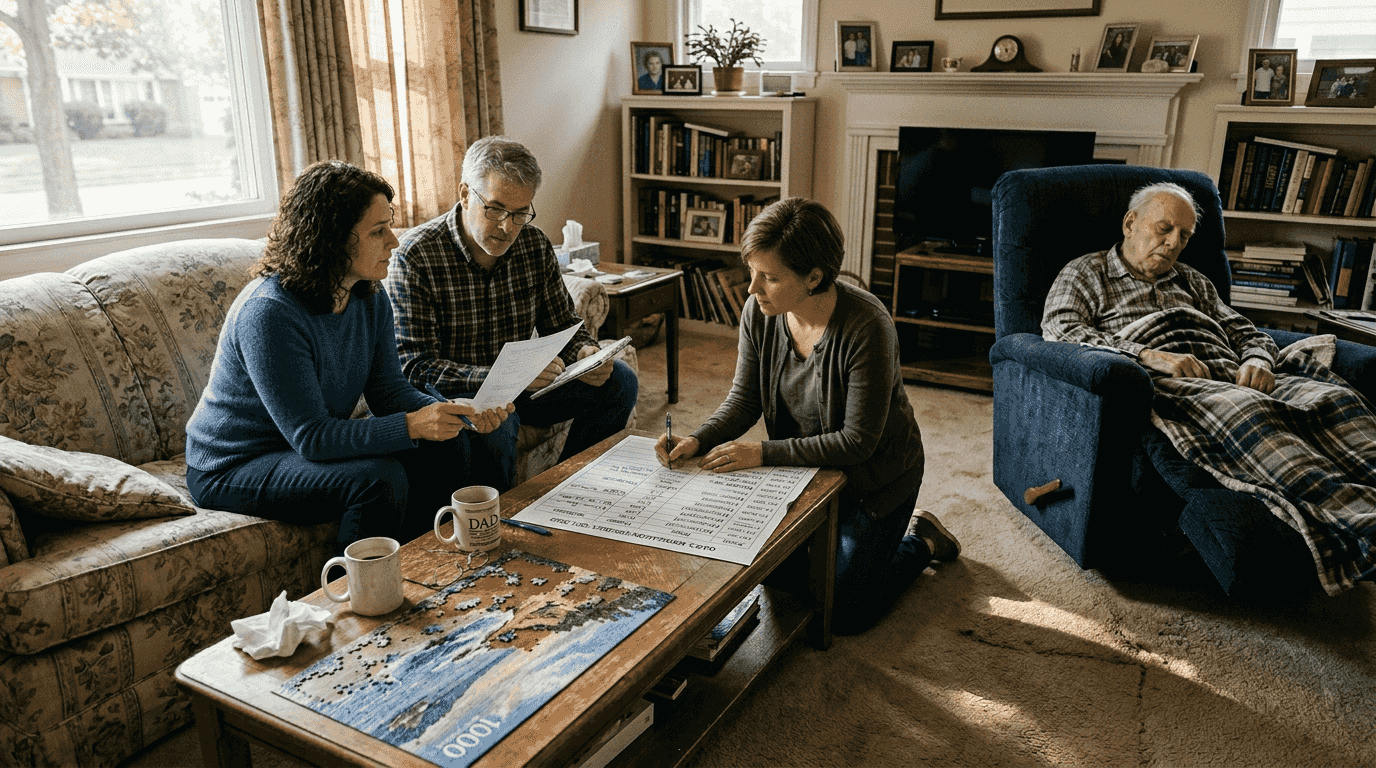
Pro Tip: Create a shared digital calendar accessible to all family members and professional caregivers, tracking medication schedules, appointments, and care tasks. This single source of truth prevents miscommunication and ensures nothing falls through cracks.
Establishing boundaries between family and professional roles protects everyone involved. Families shouldn’t feel guilty about not providing hands on personal care if professional aides handle those tasks. Your role as emotional anchor, advocate, and coordinator holds equal importance. Supportive home services independent living emphasize this partnership model, where each party contributes their strengths. Professional caregivers bring medical expertise and physical care skills, while families provide historical context, emotional support, and care coordination that professionals cannot replicate.
The key is recognizing limits without shame. You can love your elderly relative deeply while acknowledging you cannot meet every need personally. Compassionate care practices for senior home care work best when families and professionals respect each other’s contributions rather than competing or duplicating efforts.
Coordinating care: clear roles and effective communication
Chaos erupts when family members assume someone else is handling critical tasks. One sibling thinks another scheduled the cardiology appointment. Nobody refilled prescriptions because each believed the other would do it. These coordination failures cause real harm, from missed medications to delayed treatment. Establishing clear family caregiver and professional roles prevents burnout and confusion while improving care quality.
Defining specific responsibilities creates accountability and reduces conflict. Consider dividing roles this way:
Primary Coordinator: Manages overall care plan, communicates with doctors, and updates family members on changes
Financial Manager: Handles bills, insurance claims, and tracks care related expenses
Direct Care Support: Assists with activities professional caregivers don’t cover, like social outings or hobby engagement
Medical Advocate: Attends doctor appointments, asks questions, and ensures elderly relative’s preferences are documented
Respite Coordinator: Schedules backup care so primary caregivers can take breaks without guilt
Regular family meetings, whether in person or via video call, keep everyone informed and aligned. Monthly check ins allow discussion of what’s working, what needs adjustment, and how to distribute tasks more fairly if someone feels overwhelmed. These meetings also provide space to celebrate successes and acknowledge each person’s contributions.
Effective communication and care coordination between family members, caregivers, and providers reduce hospital readmissions by up to 15%. This improvement stems from better medication adherence, earlier symptom detection, and smoother transitions between care settings. When everyone knows the plan and their role in executing it, fewer things go wrong.
Responsibility | Family Caregiver | Professional Caregiver |
Personal care (bathing, dressing) | Occasional assistance during caregiver time off | Primary responsibility during scheduled hours |
Medication management | Refilling prescriptions, organizing pillboxes | Administering medications, monitoring side effects |
Medical appointments | Scheduling, transportation, attending visits | Reporting symptoms, implementing care plan changes |
Emotional support | Primary provider of companionship and connection | Friendly interaction during care tasks |
Household tasks | Major decisions, financial management | Light housekeeping, meal preparation |
Digital tools streamline communication across busy schedules. Shared apps like CareZone or Caring Bridge let family members post updates, track medications, and coordinate schedules from anywhere. These platforms reduce repetitive phone calls and ensure critical information reaches everyone simultaneously.
Pro Tip: Designate one family member as the single point of contact for professional caregivers and healthcare providers. This prevents conflicting instructions and ensures consistent communication, while that coordinator keeps other family members informed through your shared system.
Understanding how to start home care services helps families establish these communication patterns from day one. Beginning with clear role definitions and communication protocols prevents problems rather than reacting to them later. The initial planning investment pays ongoing dividends in smoother coordination and reduced stress.
Transparency about challenges matters too. If one family member feels overwhelmed, speaking up allows redistribution of tasks before burnout occurs. If professional caregivers notice concerning symptoms, clear reporting channels ensure families can respond quickly. Quality home care characteristics include this open communication culture where everyone feels comfortable raising concerns and suggesting improvements.
Financial and cultural considerations in family home care
Navigating payment for home care confuses many New York families. Medicare covers skilled nursing but not long term personal care, while Medicaid covers personal care with specific New York programs available for extended support. Understanding these distinctions determines what families pay out of pocket versus what insurance covers.
Medicare provides limited coverage for home health services following hospitalization or for specific medical conditions requiring skilled nursing or therapy. This coverage is temporary, focused on recovery rather than ongoing assistance. Once the skilled need ends, Medicare coverage stops even if the elderly person still requires help with daily activities.
Medicaid offers more comprehensive home care coverage for those meeting income and asset requirements. In New York, Medicaid can cover personal care aides, homemaker services, and even 24 hour care for individuals who would otherwise require nursing home placement. The state operates several specialized programs:
Traumatic Brain Injury (TBI) Waiver: Provides extensive home and community based services for individuals with brain injuries
Nursing Home Transition and Diversion (NHTD) Waiver: Helps people avoid or leave nursing homes by funding comprehensive home care
Consumer Directed Personal Assistance Program (CDPAP): Allows recipients to hire and direct their own caregivers, including family members who can receive payment
Exploring these financial assistance programs requires patience and often professional guidance. Eligibility rules, application processes, and coverage limits vary by program. Many families benefit from consulting with elder law attorneys or Medicaid planners who specialize in New York’s complex system.
Coverage Type | Medicare | Medicaid |
Skilled nursing care | Yes, limited duration | Yes, if medically necessary |
Personal care assistance | No | Yes, extensive coverage |
24 hour care | No | Yes, if clinically required |
Income requirements | None for Part A | Must meet state thresholds |
Asset limits | None | Yes, with exemptions |
Beyond financial considerations, cultural and linguistic needs critically impact care quality and elderly comfort. New York’s diversity means many elderly residents prefer caregivers who speak their native language and understand cultural traditions around food, religion, and family dynamics. Families should prioritize these preferences when starting home care services, recognizing that cultural alignment builds trust and improves communication.
For example, dietary restrictions tied to religious practice, specific hygiene preferences, or communication styles rooted in cultural background all affect daily care interactions. A caregiver who understands these nuances without requiring constant explanation provides more comfortable, respectful care. This cultural competence becomes especially important for elderly individuals with cognitive decline, who may revert to their native language or cultural practices as dementia progresses.
Families should explicitly discuss cultural and linguistic preferences with home care agencies during initial consultations. Reputable agencies maintain diverse caregiver pools and can match clients with aides who share language skills and cultural backgrounds. This matching process isn’t superficial; it directly impacts care quality, elderly satisfaction, and family peace of mind.
Religious observances, holiday traditions, and food preferences deserve equal attention. Caregivers who respect and accommodate these aspects of identity help elderly relatives maintain dignity and connection to their heritage. Families can support this by providing clear information about important traditions, dietary rules, and meaningful practices that caregivers should honor.
Explore compassionate home care services tailored for your family
Balancing family involvement with professional home care creates the strongest support system for elderly relatives in New York City and Westchester. While this guide has outlined how families can coordinate care, prevent burnout, and navigate financial complexities, implementing these strategies becomes easier with the right professional partner. Home health services designed around family collaboration rather than replacement honor your irreplaceable role while providing expert medical and personal care your relative needs.
Friendly Home Care serves families throughout NYC’s five boroughs and Westchester County with licensed, culturally sensitive caregivers who work alongside family members rather than isolating them from care decisions. Understanding that each family brings unique dynamics, preferences, and needs, the agency customizes care plans that integrate seamlessly with your family’s involvement level and communication style. Exploring financial assistance programs available through Medicaid and specialized New York waivers can make comprehensive home care more accessible than many families initially realize.
FAQ
What is the role of family members when professional caregivers are involved?
Family members provide essential emotional support, care coordination, and advocacy that professional caregivers cannot replicate. While professionals handle medical tasks and personal care, families maintain emotional connections, coordinate appointments, communicate with multiple providers, and ensure the elderly person’s preferences guide all decisions. The most effective care integrates both professional expertise and family knowledge rather than viewing them as separate or competing roles.
How can families prevent burnout while providing home care?
Preventing burnout requires proactive strategies including regular respite care, joining caregiver support groups, and clearly dividing responsibilities among family members. No single person should bear the entire caregiving load. Schedule consistent breaks, maintain your own health appointments and social connections, and set realistic boundaries about what you can personally provide versus what requires professional help. Recognizing early warning signs like persistent exhaustion or resentment allows intervention before health deteriorates.
What financial assistance options are available for home care in New York?
Medicare covers limited skilled nursing services following hospitalization, while Medicaid provides extensive personal care coverage for eligible individuals. New York offers specialized programs including the TBI Waiver for brain injury support, NHTD Waiver for nursing home diversion, and CDPAP allowing family members to become paid caregivers. Exploring financial assistance programs with professional guidance helps families access available resources and understand eligibility requirements for each option.
How do cultural preferences impact in-home care quality?
Cultural understanding fosters trust, improves communication, and helps elderly relatives maintain dignity and connection to their heritage. Caregivers who share language skills and cultural backgrounds provide more comfortable, respectful care without requiring constant explanation of preferences. This becomes especially important for individuals with cognitive decline who may revert to native languages or cultural practices. Families should explicitly discuss cultural and linguistic needs with agencies to ensure appropriate caregiver matching that honors these essential aspects of identity.
Recommended