
Role of home care in senior wellness: support in 2026
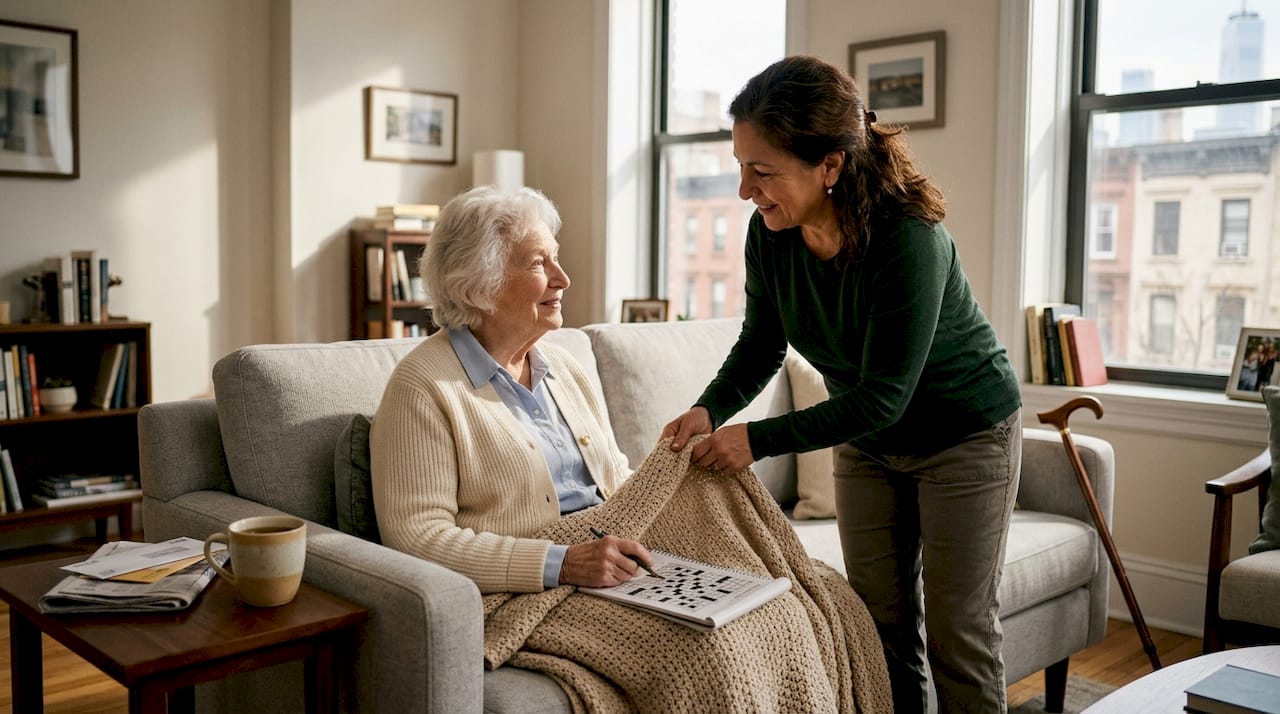
Many families mistakenly believe home care only becomes necessary when a loved one faces critical illness or severe disability. This misconception prevents countless New York City seniors from accessing the compassionate support that could dramatically enhance their daily wellness and independence. Home care actively promotes physical health, emotional balance, and social connection while allowing seniors to thrive in familiar surroundings. This guide explores how personalized in-home services support holistic senior wellness across Brooklyn, Queens, Manhattan, the Bronx, and Staten Island, empowering families to make informed decisions about their loved ones’ care.
Table of Contents
Key takeaways
Point | Details |
Independence through support | Home care enables seniors to maintain autonomy while receiving assistance with daily activities and health management. |
Holistic wellness focus | Services address physical, emotional, and social needs simultaneously for comprehensive senior well-being. |
Family partnership | Active family involvement in care planning and communication significantly improves outcomes and satisfaction. |
Personalized care plans | Tailored approaches adapt to individual health conditions, preferences, and lifestyle requirements. |
Mental health priority | Companionship and cognitive activities combat isolation and support emotional resilience. |
Understanding the impact of home care on senior wellness
Home care effectively supports seniors’ daily living while promoting wellness and independence in ways that extend far beyond basic medical assistance. Physical health benefits include consistent medication reminders that prevent dangerous gaps in treatment, mobility assistance that reduces fall risks, and help with personal hygiene that maintains dignity and prevents infections. These practical supports create a foundation for seniors to engage more fully with life rather than merely surviving day to day.
Emotional and social dimensions prove equally vital. Regular caregiver visits provide meaningful companionship that combats the isolation many seniors experience when living alone. Trained aides engage clients in conversations, activities, and outings that stimulate mental function and preserve cognitive sharpness. This social interaction releases stress, elevates mood, and gives seniors something to anticipate each day.
Maintaining independence stands as perhaps the most powerful wellness factor. When seniors control decisions about their routines, meals, and activities while receiving support only where needed, they preserve the sense of agency that defines quality of life. Compassionate care practices recognize this balance, offering help without undermining autonomy.
Pro Tip: Involve your loved one in every care decision, from selecting their caregiver to scheduling visit times, to maximize their sense of control and emotional well-being.
A common pitfall occurs when families focus exclusively on physical tasks like bathing and dressing while overlooking emotional support needs. Seniors who receive technically competent care but lack genuine human connection often experience declining mental health that undermines physical wellness. Effective home care integrates both dimensions seamlessly.
“The greatest gift of home care isn’t just safety, it’s the preservation of identity and purpose that comes from aging in a place filled with memories and meaning.”
Key wellness benefits of home care include:
Reduced hospital readmissions through consistent health monitoring
Better medication adherence with professional reminders
Improved nutrition from meal preparation assistance
Enhanced mobility through regular movement and exercise support
Decreased anxiety from familiar surroundings and routine
Types of home care services supporting senior wellness in NYC
New York City seniors can access personalized home health services spanning a spectrum from basic assistance to skilled medical care, each supporting wellness in distinct ways. Understanding these service categories helps families match care levels to actual needs rather than over or under serving their loved ones.
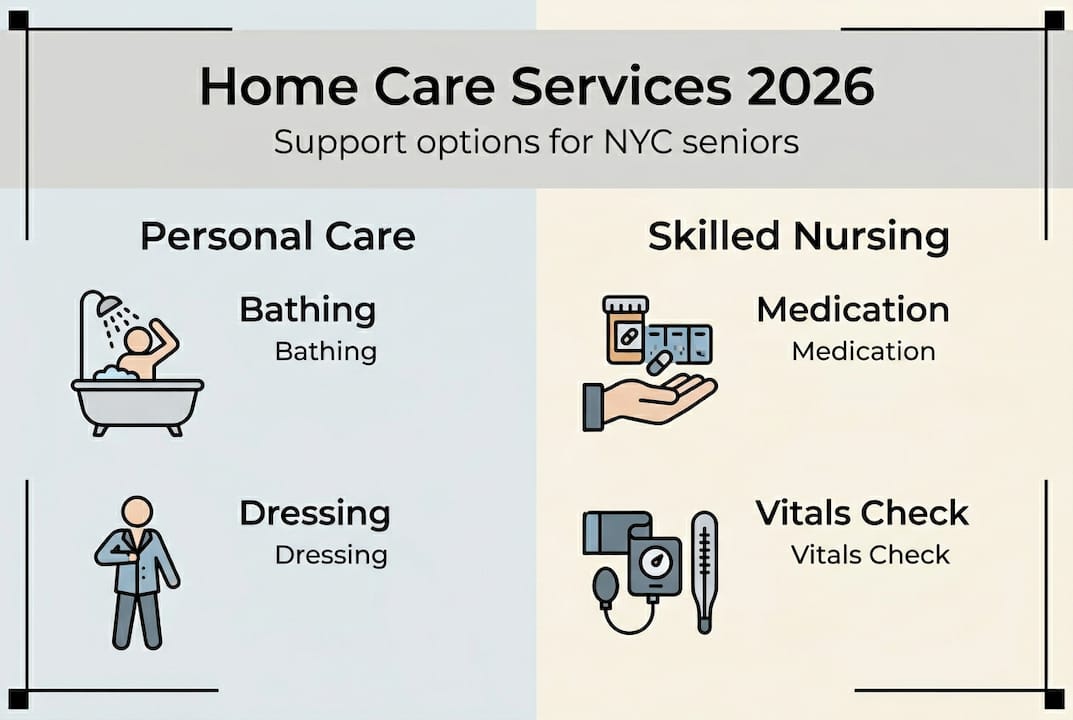
Personal care focuses on activities of daily living without medical procedures. Aides help with bathing, dressing, grooming, toileting, and mobility around the home. This non-medical support maintains hygiene, prevents complications from neglect, and preserves dignity. Personal care works well for seniors who remain relatively healthy but need assistance with physical tasks.
Skilled nursing involves licensed professionals who manage medical conditions, administer medications, monitor vital signs, and coordinate with physicians. This medical home care suits seniors recovering from hospitalization, managing chronic illnesses like diabetes or heart disease, or requiring wound care. Skilled services prevent medical crises through early intervention.
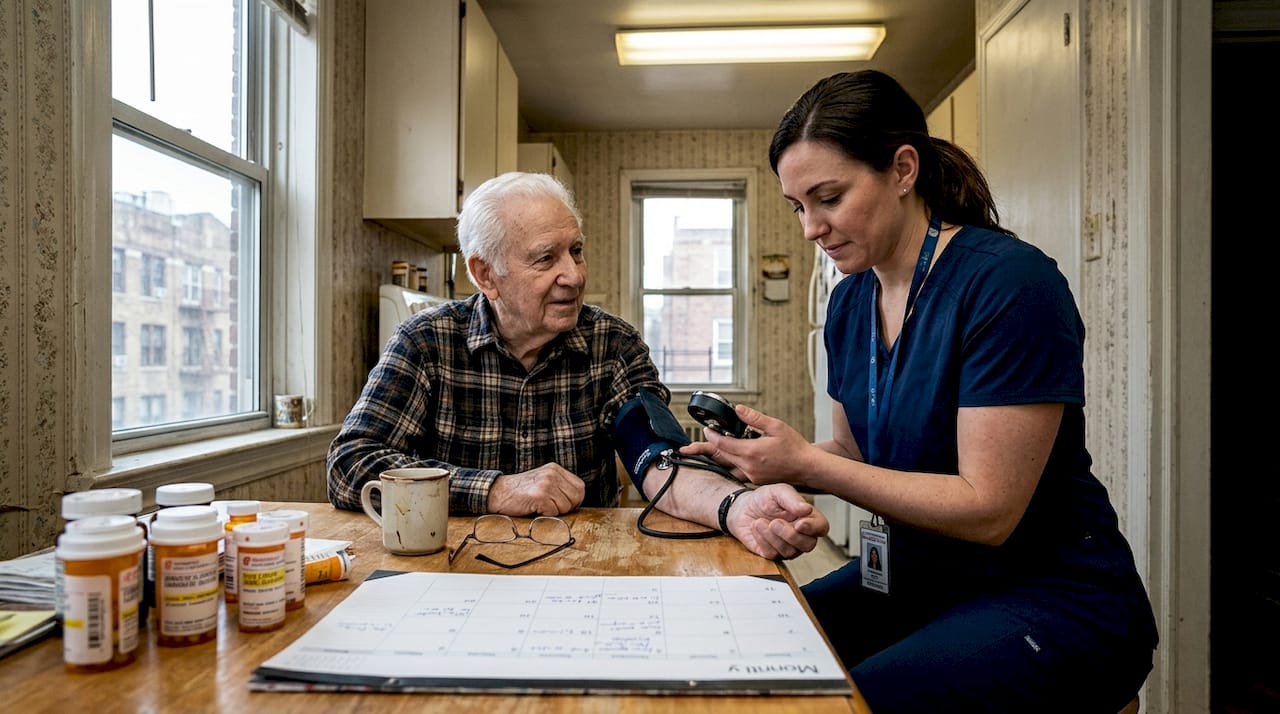
Supportive services encompass companionship, meal preparation, light housekeeping, transportation, and medication reminders. These supportive home services maintain independent living by handling tasks that become challenging with age while providing social engagement that combats isolation.
Service Type | Primary Purpose | Typical Tasks | Wellness Benefits |
Personal Care | Daily living assistance | Bathing, dressing, mobility support, toileting | Maintains hygiene, prevents falls, preserves dignity |
Skilled Nursing | Medical management | Medication administration, wound care, vital monitoring | Prevents complications, manages chronic conditions |
Supportive Services | Independence maintenance | Companionship, meal prep, housekeeping, errands | Reduces isolation, ensures nutrition, enables aging in place |
Respite Care | Family caregiver relief | Temporary coverage for all care needs | Prevents burnout, maintains care quality |
Tailored care plans combine these service types based on individual assessments. A senior with early dementia might need personal care for bathing plus supportive companionship for cognitive stimulation, while someone recovering from surgery requires skilled nursing initially, transitioning to personal care as healing progresses.
Pro Tip: Request a comprehensive needs assessment every six months as your loved one’s condition evolves, adjusting service types and hours to match current wellness requirements rather than past assumptions.
Common service combinations include:
Personal care plus companionship for socially isolated seniors
Skilled nursing plus personal care for post-hospital recovery
Supportive services plus respite care for family caregiver sustainability
All service types coordinated for complex chronic illness management
Family’s role in enhancing home care outcomes for seniors
Family involvement is key for creating effective home healthcare strategies and emotional support that amplify professional caregiving. When families actively participate rather than simply delegating care to hired help, seniors experience better health outcomes, higher satisfaction, and stronger emotional resilience.
Building communication and trust with caregivers starts the moment you begin starting home care services. Share detailed information about your loved one’s preferences, routines, medical history, and personality quirks that help aides provide truly personalized attention. Establish regular check-ins to discuss observations, concerns, and adjustments needed as conditions change.
Creating supportive home environments involves more than hiring qualified caregivers. Families must prepare living spaces for safety, stock necessary supplies, and establish routines that give seniors structure while allowing flexibility. This practical groundwork enables caregivers to focus on relationship building and wellness activities rather than logistics.
Pro Tip: Schedule a weekly video call with your loved one and their caregiver together to observe their rapport, address concerns immediately, and show your ongoing emotional investment in the care relationship.
Actions families can take to maximize home care benefits:
Participate in initial care plan development to ensure it reflects your loved one’s values and goals
Maintain open communication channels with the care agency and individual caregivers
Visit regularly to monitor care quality and provide emotional support your loved one needs from family
Advocate for adjustments when care isn’t meeting evolving needs or preferences
Express appreciation to caregivers who demonstrate genuine compassion and competence
Coordinate medical appointments and share health updates with the care team promptly
Respect the caregiver’s professional expertise while sharing family knowledge about your loved one
Create backup plans for caregiver absences to maintain consistency and reduce senior anxiety
Understanding the role of hospice aides in end-of-life care helps families recognize when transitioning service types becomes appropriate. Families who stay engaged throughout the care journey make these difficult decisions with greater confidence and less guilt.
Emotional support from family members provides irreplaceable value that professional caregivers cannot fully replicate. Phone calls, visits, shared meals, and inclusion in family events remind seniors they remain central to family life despite needing assistance. This emotional anchoring combats depression and gives seniors reasons to maintain their health and engage with caregivers.
Addressing mental and emotional wellness through home care
Mental health challenges affect many seniors living at home, including depression from isolation, anxiety about declining abilities, grief over lost independence, and cognitive changes that create confusion or frustration. Home care addresses mental and emotional wellness through tailored palliative and companionship support that treats the whole person rather than just physical symptoms.
Caregivers trained in compassionate care practices recognize subtle signs of emotional distress like withdrawn behavior, appetite changes, or increased irritability. Early identification allows intervention before mental health issues escalate into crises requiring hospitalization or medication. Simple interventions like adjusting daily routines, increasing social interaction, or facilitating connections with mental health professionals often resolve emerging problems.
Companionship serves as powerful medicine against the loneliness epidemic affecting seniors. Regular caregiver visits provide consistent human connection, conversation partners who listen attentively, and shared activities that create joy and meaning. This relationship combats the isolation that accelerates cognitive decline and undermines physical health through stress and neglect.
Activities promoting cognitive wellness and emotional balance include:
Puzzles, games, and brain teasers that challenge memory and problem solving
Reminiscence therapy using photos and stories to strengthen identity
Music therapy that evokes positive emotions and memories
Gentle exercise like walking or chair yoga that releases mood-enhancing endorphins
Creative pursuits such as art, gardening, or cooking that provide purpose
Social outings to senior centers, parks, or cultural events
Technology assistance for video calls with distant family members
Personalized emotional care recognizes that wellness strategies must align with individual personalities and preferences. An extroverted senior thrives with group activities and frequent visitors, while an introvert needs quieter companionship and solitary pursuits. Effective caregivers adapt their approach based on what energizes rather than drains each unique client.
Support Type | Primary Focus | Example Activities | Wellness Impact |
Companionship | Social connection | Conversation, shared hobbies, outings | Reduces isolation, elevates mood |
Cognitive stimulation | Mental sharpness | Puzzles, reading, learning new skills | Maintains brain function, prevents decline |
Emotional validation | Psychological safety | Active listening, empathy, reassurance | Decreases anxiety, builds trust |
Palliative support | Comfort and dignity | Pain management, spiritual care, family facilitation | Improves quality of life, eases suffering |
The importance of personalized emotional care extends beyond pleasant interactions to measurable health improvements. Seniors who feel emotionally supported demonstrate better medication adherence, increased physical activity, improved sleep quality, and faster recovery from illness. Mental wellness directly influences physical wellness in ways that purely medical interventions cannot replicate.
Discover compassionate home care services in New York City
Friendly Home Care delivers personalized home health services throughout Brooklyn, Queens, Manhattan, the Bronx, Staten Island, and Westchester County, bringing the wellness principles discussed here into New York families’ daily lives. Licensed by the New York State Department of Health and accredited by The Joint Commission, the agency provides personal care, skilled nursing, and supportive services tailored to each senior’s unique needs and preferences.
Culturally competent, multilingual caregivers ensure clear communication and respectful care across NYC’s diverse communities. Each aide receives thorough training and screening to deliver the compassionate, professional support that enables seniors to thrive at home with dignity and independence.
Pro Tip: Choosing a local NYC home care provider like Friendly Home Care ensures caregivers understand neighborhood resources, cultural nuances, and community connections that enhance your loved one’s care experience beyond basic services.
Families throughout New York City trust Friendly Home Care’s compassionate approach to support their loved ones’ wellness journeys. Schedule a consultation today to explore how personalized care plans can help your senior family member maintain independence, health, and happiness at home.
Frequently asked questions
What types of home care services best support senior wellness?
Personal care services assist with daily activities like bathing and dressing while maintaining dignity and preventing hygiene-related health issues. Skilled nursing manages medical conditions through medication administration and health monitoring that prevents complications. Supportive services including companionship, meal preparation, and light housekeeping enable independent living while combating isolation. The most effective wellness approach combines multiple service types tailored to individual physical, emotional, and social needs rather than focusing narrowly on medical tasks alone.
How can families coordinate with home care providers to improve senior outcomes?
Establish clear, regular communication channels with both the care agency and individual caregivers from the start. Participate actively in care plan development and updates to ensure services align with your loved one’s evolving needs and preferences. Share detailed information about routines, personality, and health history that enables truly personalized care. Visit frequently to monitor care quality, provide emotional support, and build relationships with caregivers. Following these coordination strategies creates partnerships rather than transactions, dramatically improving care effectiveness and senior satisfaction.
What emotional support options does home care provide for seniors?
Home care offers companionship that combats isolation through regular visits, conversation, and shared activities that create meaningful connection. Cognitive stimulation activities like puzzles, music, and reminiscence therapy maintain mental sharpness and positive mood. Caregivers trained in compassionate practices recognize signs of depression or anxiety and facilitate appropriate interventions. Palliative support services address emotional and spiritual needs for seniors facing serious illness, ensuring comfort and dignity throughout their care journey.
How does home care help seniors maintain independence?
Home care provides targeted assistance only where needed, allowing seniors to continue managing tasks they can handle independently. This selective support preserves autonomy and decision-making power that defines quality of life. Caregivers encourage seniors to participate in their own care through choices about routines, meals, and activities rather than taking over completely. Mobility assistance and safety modifications enable seniors to move freely within their homes without fear of falls. By supporting rather than replacing seniors’ capabilities, home care extends the period they can live independently in familiar surroundings.
When should families consider starting home care services?
Consider home care when you notice your loved one struggling with daily tasks like meal preparation, medication management, or personal hygiene, even if they don’t yet need intensive medical support. Warning signs include unexplained weight loss, missed medications, declining home cleanliness, or increased social isolation. Starting services proactively prevents crises rather than waiting for emergencies that require rushed decisions. Early intervention supports wellness and independence longer than reactive care begun only after significant decline occurs.
Recommended