
Understanding personal care services for NYC families
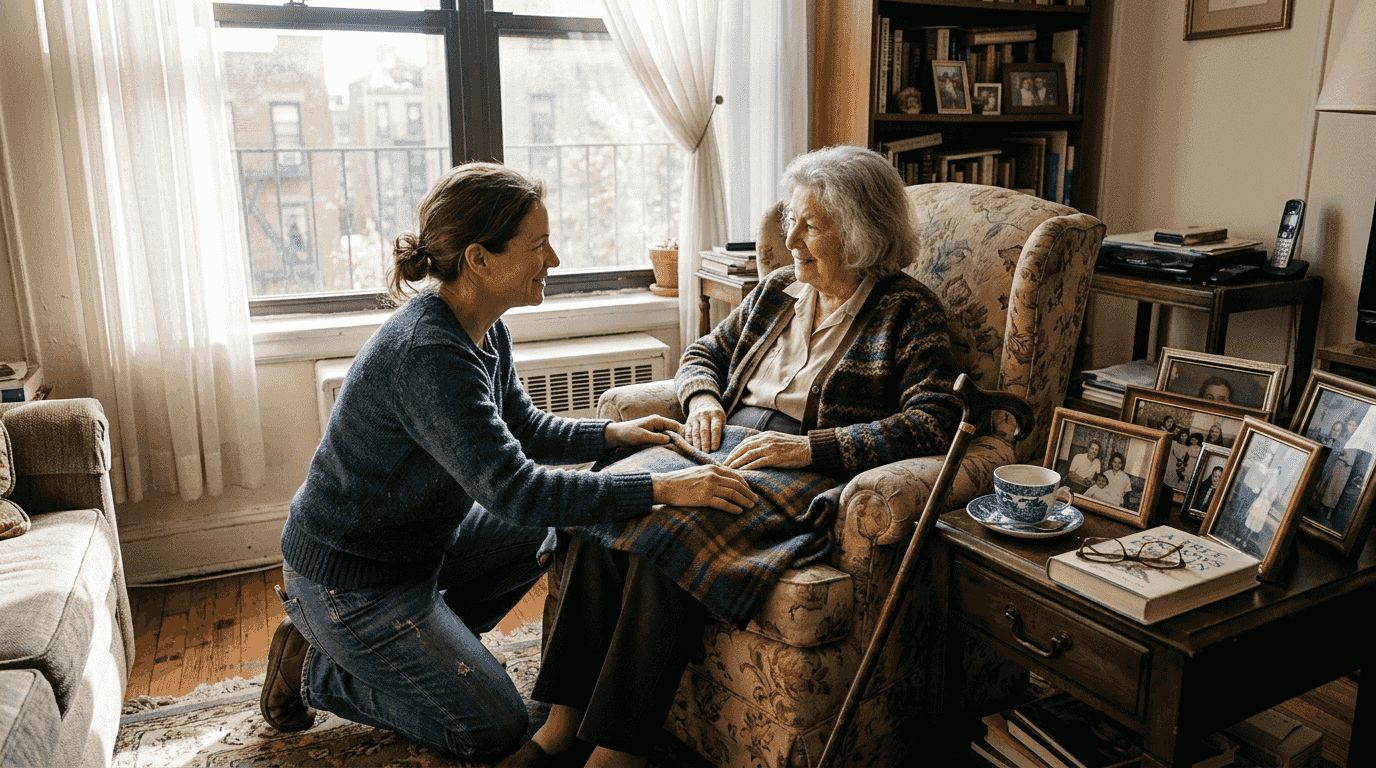
New York City’s older adult population grew by almost 40% between 1980 and 2023, transforming how families approach caregiving. Many households feel overwhelmed navigating in-home personal care options for aging loved ones or individuals with mobility challenges. This guide clarifies what personal care services include, how they support independence at home, and what NYC and Westchester families should know about eligibility, regulations, and choosing reliable providers. You’ll discover practical steps to access compassionate, professional support that keeps seniors safe and comfortable in their own homes.
Table of Contents
Key takeaways
Point | Details |
Personal care supports independence | Services help seniors and individuals with disabilities manage daily tasks like bathing, dressing, and medication reminders at home. |
State regulations ensure quality | New York requires licensed providers, trained aides, and compliance with safety and labor standards. |
Eligibility depends on needs | Assessments determine service plans based on medical and functional requirements, with informed consent required. |
Case management coordinates care | Personalized plans and ongoing monitoring ensure services adapt to changing health needs. |
Costs vary with coverage options | Medicaid may cover eligible services, while private pay rates reflect minimum wage standards for aides. |
Why personal care services matter for families in NYC and Westchester
New York City’s demographic shift is reshaping caregiving demands across all five boroughs and Westchester County. The older adult population grew by almost 40% between 1980 and 2023, and projections show 19 to 25% of borough populations will be aged 60 and over by 2030. This surge creates urgent need for in-home support services that allow seniors to age in place safely.
Many families juggle full-time jobs, raising children, and caring for aging parents simultaneously. Without professional assistance, caregiver burnout becomes inevitable. Personal care services fill this gap by providing skilled help with activities of daily living (ADLs) such as bathing, dressing, grooming, meal preparation, and mobility support. These services enable seniors to maintain dignity and independence while relieving family members of physically demanding tasks.
Cultural diversity adds another layer of complexity to caregiving in New York. Over 60% of NYC’s older adults identify as non-white, representing communities with distinct language preferences, dietary traditions, and care expectations. Accessing compassionate home health care services that respect cultural values enhances quality of life and builds trust between caregivers and clients.
Personal care services address several critical needs:
Preventing hospital readmissions by supporting recovery at home
Reducing fall risks through mobility assistance and home safety monitoring
Managing chronic conditions with medication reminders and health tracking
Providing social interaction to combat isolation and depression
Offering respite for family caregivers to maintain their own health
The growing demand for these services reflects both demographic reality and changing family structures. Adult children often live far from aging parents or work demanding schedules that make daily caregiving impossible. Professional personal care bridges this gap, delivering consistent, reliable support that families cannot always provide alone.
Pro Tip: Start exploring personal care options before a crisis occurs. Early planning allows time to research providers, understand costs, and create care plans that match your loved one’s preferences and needs.
What personal care services include and eligibility basics
Personal care services encompass a wide range of assistance designed to help individuals manage daily life at home. Understanding what these services cover and who qualifies helps families make informed decisions about care options.
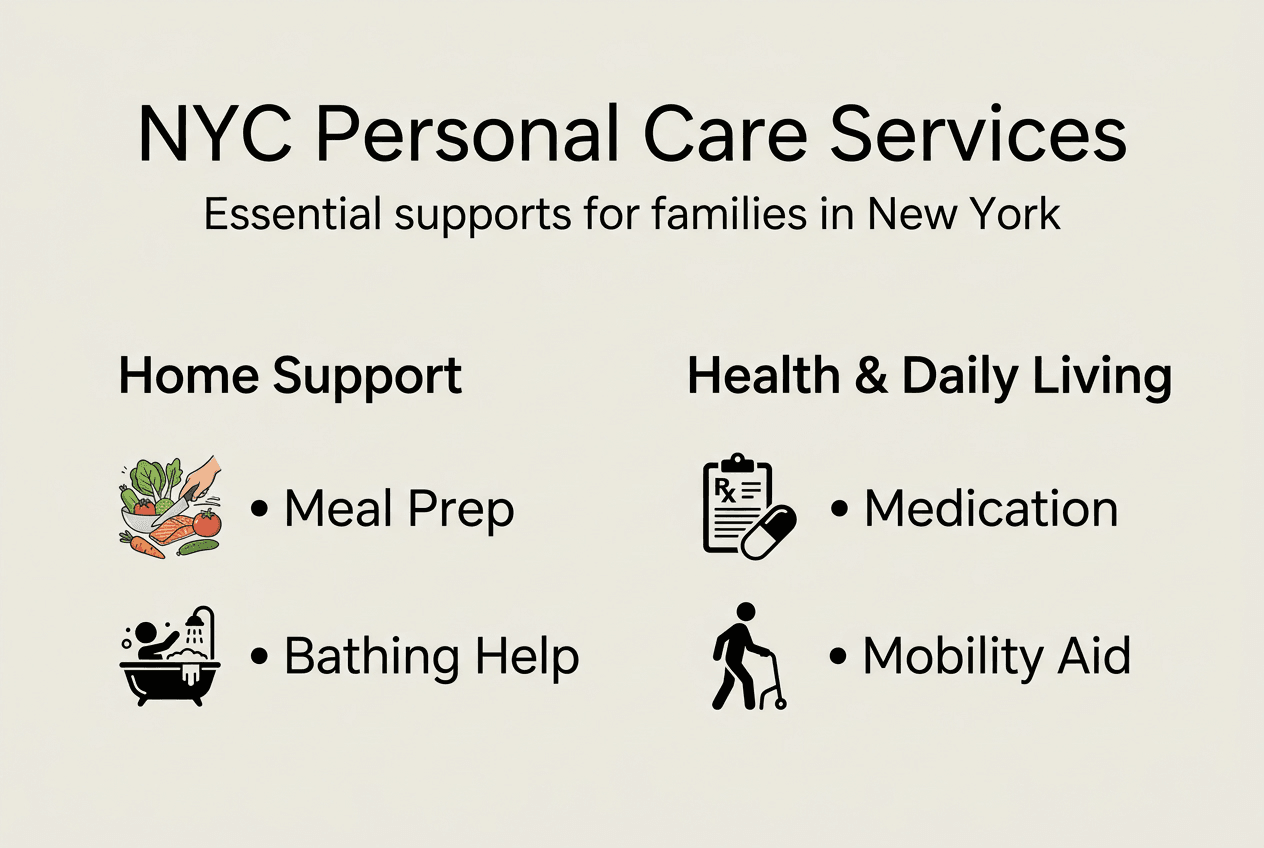
Core personal care services include:
Bathing, showering, and personal hygiene assistance
Dressing and grooming support
Toileting and incontinence care
Meal planning, preparation, and feeding assistance
Medication reminders and health monitoring
Mobility support, including transfers and walking assistance
Light housekeeping and laundry
Companionship and social engagement
Eligibility for personal care services typically requires demonstrating need for assistance with one or more ADLs due to age, disability, chronic illness, or mobility limitations. The goal is enabling individuals to live safely at home when they cannot manage these tasks independently.
New York’s approach to personal care emphasizes structured assessment and planning. Standards cover screening, assessments, care plans, service agreements, and interventions to ensure services match individual needs. This systematic process protects both clients and providers.
The eligibility and service delivery process follows these steps:
Initial screening to determine if personal care services are appropriate
Comprehensive assessment of medical, functional, and social needs
Development of a personalized care plan outlining specific services and schedules
Service agreement documenting informed consent and expectations
Ongoing monitoring and plan adjustments as needs change
Providers must follow participant eligibility and informed consent protocols established by New York City and state regulations. This ensures clients understand what services they’ll receive, who will provide them, and how to address concerns.
Case managers play a vital role in coordinating personal care services. They conduct assessments, connect clients with appropriate providers, monitor service quality, and adjust care plans as health conditions evolve. This coordination prevents gaps in care and ensures services remain aligned with client goals.
Families should expect providers to offer home health services and personalized care tailored to cultural preferences, language needs, and individual routines. The best providers view each client as unique, adapting services to support personal dignity and independence rather than applying one-size-fits-all approaches.
Navigating New York’s personal care regulations and standards
New York maintains rigorous regulatory standards for home care providers to protect vulnerable clients and ensure service quality. Understanding these requirements helps families evaluate providers and make confident choices.
Home care agencies require licenses from the commissioner under NY Public Health Law § 3605, establishing legal accountability for operations, staff training, and client safety. Licensed agencies must demonstrate compliance with state health department regulations covering everything from aide qualifications to emergency protocols.
Wage standards directly impact service quality by attracting and retaining qualified caregivers. The minimum wage for home care aides is $19.10 per hour in NYC and Westchester effective 2025, ensuring aides receive fair compensation for demanding work. This wage floor helps reduce turnover and supports continuity of care.
Training requirements ensure aides possess necessary skills before working with clients. New York mandates state-approved training programs covering:
Personal care techniques and infection control
Communication skills and cultural competency
Emergency response and safety procedures
Client rights and confidentiality
Recognizing and reporting abuse or neglect
Case management agencies serving NYC seniors operate under contracts with the Department for the Aging (DFTA), which monitors compliance with service standards. These agencies coordinate care for thousands of older adults, ensuring personalized attention within a framework of accountability.
Regulatory Area | Requirement | Family Benefit |
Agency licensing | State health department approval | Verified legal operation and oversight |
Aide training | Mandatory state-approved programs | Skilled, prepared caregivers |
Wage standards | $19.10/hr minimum in NYC/Westchester | Attracts qualified, committed staff |
Case management | DFTA contracts and monitoring | Coordinated, accountable service delivery |
Compliance with these standards gives families confidence that providers meet professional benchmarks. When researching agencies, verify licensing status, ask about aide training programs, and confirm adherence to wage and labor laws. Reputable providers welcome these questions and readily share compliance documentation.
Pro Tip: Check if a provider is licensed by contacting the New York State Department of Health or searching their online database. Licensed status indicates the agency meets minimum safety and operational standards.
Understanding quality home care characteristics helps families distinguish between compliant providers and those offering exceptional service. Look beyond basic licensing to evaluate communication practices, cultural competency, and responsiveness to client feedback. For additional guidance on regulatory compliance, consult resources like this New York home care regulations guide.
How personal care services support families and improve quality of life
Personal care services deliver tangible benefits that extend beyond basic assistance with daily tasks. These services transform how seniors experience aging and how families manage caregiving responsibilities.
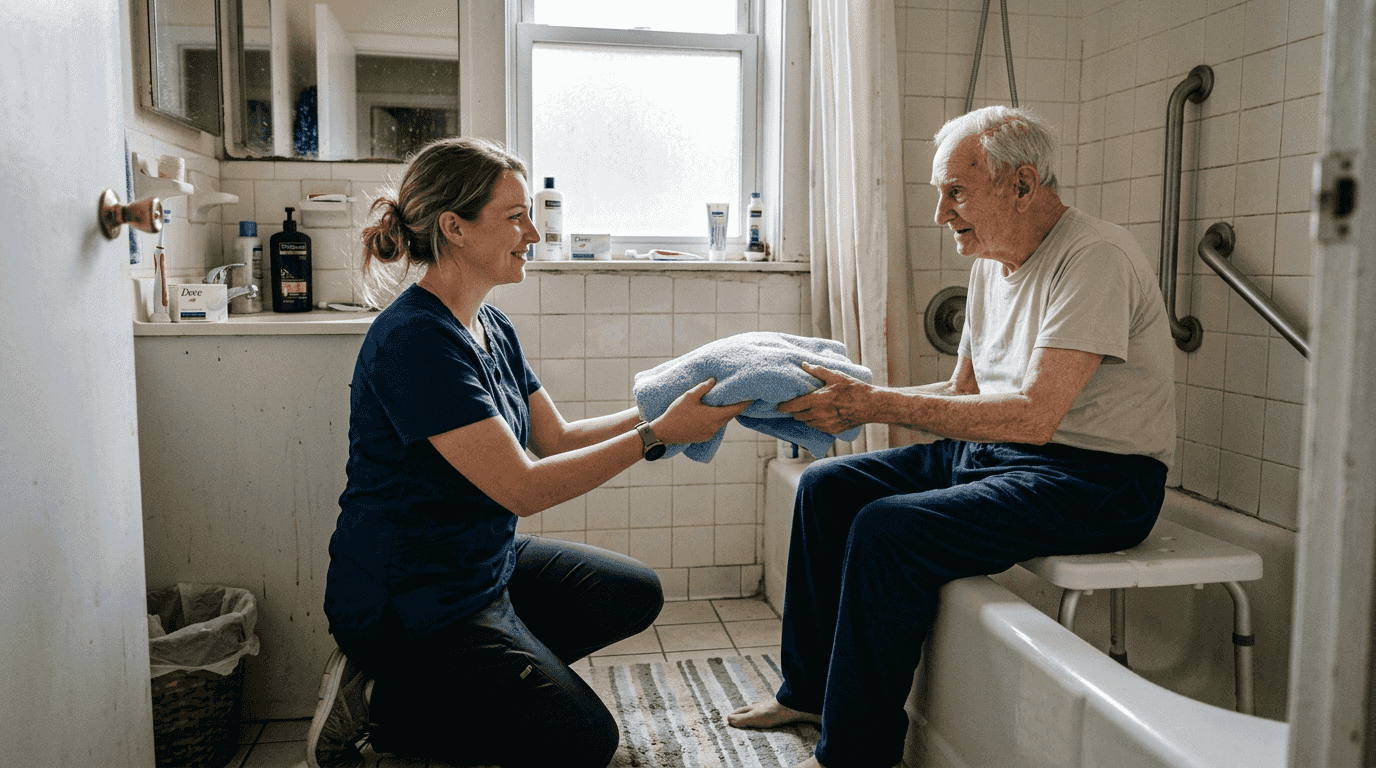
Personal care aides provide hands-on help that preserves dignity and comfort. Assistance with bathing, dressing, and grooming allows seniors to maintain personal hygiene and appearance even when physical limitations make these tasks difficult. This support directly impacts self-esteem and mental health.
Care coordination ensures services adapt to changing needs. As health conditions progress or improve, case managers adjust care plans to maintain appropriate support levels. This flexibility prevents both under-service (leaving needs unmet) and over-service (reducing independence unnecessarily).
The impact on healthcare utilization is significant. Personal care services reduce hospital readmissions by supporting post-discharge recovery at home. They also delay or prevent nursing home placement by enabling seniors to age in place safely. DFTA contracted 20 providers serving over 31,000 seniors with 515,000+ hours of case management in FY ending June 2024, demonstrating the scale of coordinated in-home support across NYC.
Key benefits for seniors and families include:
Enhanced safety through fall prevention and mobility assistance
Better medication adherence with reminders and monitoring
Improved nutrition from meal preparation support
Reduced social isolation through companionship
Relief from caregiver burden for family members
Maintained independence and familiar surroundings
Cultural and linguistic tailoring makes personal care more effective in diverse communities. Aides who speak clients’ preferred languages and understand cultural traditions build stronger relationships and deliver more respectful care. This cultural competency is especially important in NYC’s multicultural neighborhoods.
Service Aspect | Without Personal Care | With Personal Care |
Daily hygiene | Family manages or tasks skipped | Professional assistance maintains routine |
Medication management | Missed doses, confusion | Consistent reminders, tracking |
Social engagement | Isolation, loneliness | Regular companionship, activities |
Family caregiver stress | High burnout risk | Reduced burden, respite time |
Families experience profound relief when professional caregivers share responsibilities. Adult children can focus on emotional support and quality time rather than exhausting themselves with physical care tasks. This shift strengthens family relationships and improves overall well-being for everyone involved.
Pro Tip: When starting personal care services, maintain open communication with aides and case managers. Share your loved one’s preferences, routines, and concerns to help caregivers provide truly personalized support.
Understanding how to start home care services empowers families to take proactive steps toward securing support. Early engagement with providers allows time to build trust, establish routines, and make adjustments before care needs become urgent.
Discover reliable personal care services with Friendly Home Care
Navigating personal care options becomes simpler when you partner with an experienced, licensed provider. Friendly Home Care offers comprehensive personalized home health services throughout NYC and Westchester, helping families design care plans that match individual needs, preferences, and cultural backgrounds. Their team of trained, compassionate aides provides assistance with daily living activities, medication reminders, mobility support, and companionship, all delivered with respect for client dignity and independence. As a fully licensed and accredited agency, Friendly Home Care ensures compliance with New York’s rigorous standards while maintaining the personal touch that makes in-home care effective. Reach out today to discuss how their services can support your family’s caregiving journey.
Frequently asked questions
What are personal care services?
Personal care services provide assistance with activities of daily living for seniors and individuals with disabilities who need help managing tasks at home. These services include bathing, dressing, grooming, meal preparation, medication reminders, mobility support, and light housekeeping. The goal is enabling clients to live safely and comfortably in their own homes while maintaining maximum independence.
How do I know if my loved one qualifies for personal care services in New York?
Qualification requires demonstrating need for assistance with one or more daily living activities due to age, disability, or medical conditions. Standards cover participant eligibility and screening assessments in NYC, ensuring systematic evaluation of functional and medical needs. A case manager or provider will conduct a comprehensive assessment to determine appropriate service levels and create a personalized care plan based on your loved one’s specific situation.
What should I look for when choosing a personal care service provider?
Verify that any provider holds proper licensing from the New York State Department of Health, as providers must be licensed and follow New York’s regulations for quality care and training. Look for agencies employing trained, culturally competent aides who can communicate in your loved one’s preferred language. Review quality home care characteristics such as clear care plans, positive client testimonials, responsive communication, and willingness to adapt services as needs change.
How much do personal care services cost in New York City and can Medicaid help?
Costs reflect labor standards, with minimum wage for home care aides at $19.10 per hour in NYC and Westchester since 2025. Total expenses depend on hours of service needed and specific tasks provided. Medicaid may cover personal care services for eligible individuals who meet income and medical necessity requirements. Families should explore New York personal care and Medicaid planning options to understand coverage possibilities and application processes for financial assistance.
Recommended