
How to prepare your home for seniors: complete guide
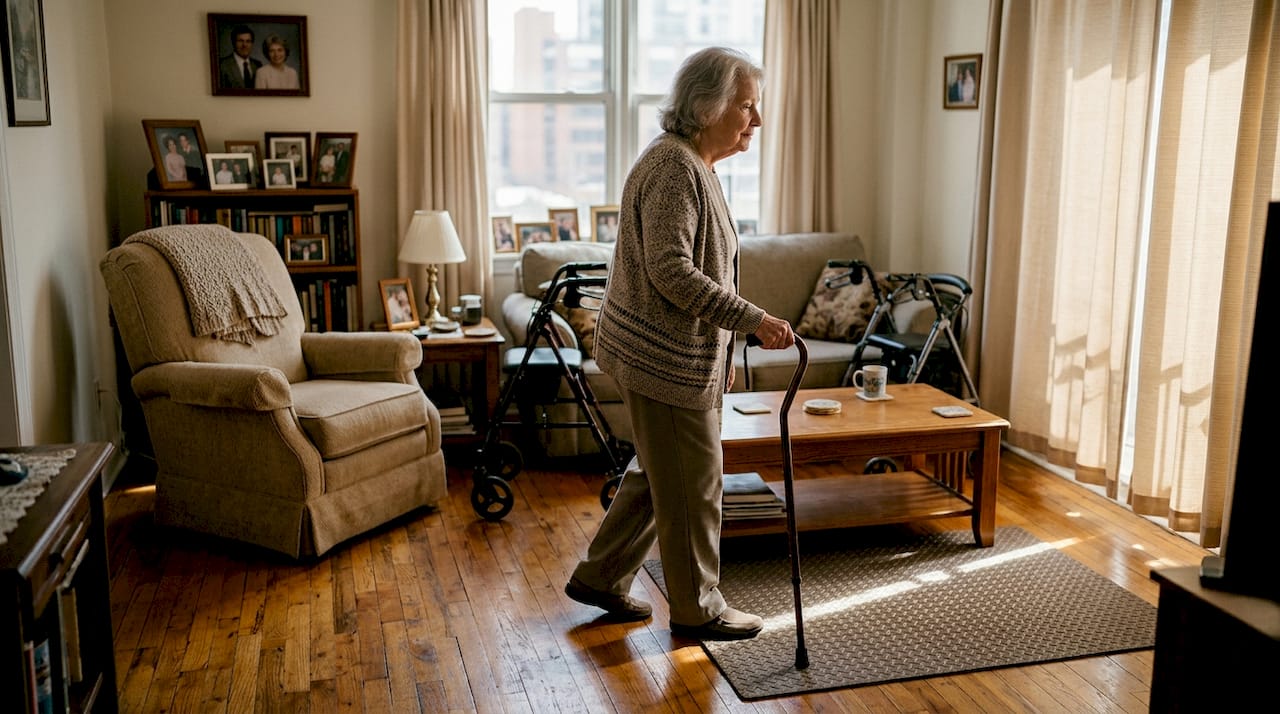
Preparing your home for an elderly family member receiving in-home care can feel overwhelming, especially in New York City where space is limited and older buildings present unique challenges. Many families struggle to identify which modifications truly matter for senior safety and comfort. This guide walks you through a clear, step-by-step process to transform your home into a safe, accessible environment that supports your loved one’s independence while coordinating seamlessly with professional care services.
Table of Contents
Key Takeaways
Point | Details |
Thorough home safety assessment | Conduct a room by room safety review to identify hazards and tailor modifications to senior needs. |
Prioritize fall prevention | Focus on preventing falls in bathrooms and bedrooms as a top priority. |
Install essential safety features | Install grab bars, raised toilet seats, handheld showers, non slip mats, and consistent lighting to improve safety. |
Consult professionals for guidance | Consult an occupational therapist or home care professional to assess needs and tailor modifications. |
Assessing your home and identifying senior needs
Before making any physical changes, you need a thorough understanding of both your home’s layout and your elderly relative’s specific requirements. New York City homes present distinct challenges. Walk-up apartments have steep stairs without elevators. Pre-war buildings feature narrow hallways and small bathrooms. Even ground-floor units may have uneven thresholds or poor lighting in common areas.
Start by walking through your home room by room, noting potential hazards. Look for loose rugs that could catch a walker or cane. Check bathroom floors for slippery tiles. Examine staircases for worn treads or missing handrails. Test light switches to ensure they’re easily accessible from room entrances. Pay attention to doorway widths, especially if your relative uses a wheelchair or walker.
Next, assess your family member’s specific needs. Consider their mobility level. Can they walk independently, or do they need assistance? Do they use a cane, walker, or wheelchair? Evaluate cognitive function honestly. Memory issues require different safety measures than purely physical limitations. Review any medical conditions that affect balance, vision, or strength.
Create a prioritized list of modifications based on immediate safety risks versus longer-term improvements. Focus first on fall prevention in high-traffic areas like bathrooms and bedrooms. Address lighting issues that could cause nighttime accidents. Plan for accessibility improvements that support independence.
Pro Tip: Schedule a consultation with an occupational therapist or supportive home services professional who can conduct a formal home safety assessment. They spot hazards you might miss and recommend modifications tailored to your relative’s specific conditions. A thorough initial assessment of home hazards and senior needs reduces risk of accidents and improves care outcomes.
Key areas to evaluate during your assessment:
Bathroom safety features including slip-resistant surfaces and support bars
Kitchen accessibility for meal preparation and appliance use
Bedroom layout ensuring clear paths to bathroom during nighttime
Entry and exit points including stairs, ramps, and door thresholds
Emergency access routes and communication systems
Preparing your home environment for senior safety and comfort
Once you’ve identified necessary modifications, it’s time to implement changes systematically. Start with the most critical safety improvements, then move to comfort and accessibility enhancements.
Installing essential safety features:
Mount grab bars in the bathroom near the toilet and inside the shower or tub. Position them at heights appropriate for your relative’s stature. Use proper anchoring into wall studs, not just drywall.
Replace standard toilet seats with raised versions that reduce strain on knees and hips during sitting and standing.
Install a handheld showerhead with adjustable height and a shower chair or bench for seated bathing.
Add non-slip adhesive strips or mats to bathtub and shower floors.
Place nightlights along pathways from bedroom to bathroom, using motion-activated models that turn on automatically.
Install handrails on both sides of all staircases, ensuring they extend beyond the top and bottom steps.
Add lever-style door handles and faucet controls that are easier to operate than traditional knobs.
Addressing flooring and pathways requires careful attention. Remove all loose rugs or secure them with non-slip backing and double-sided tape. If you have area rugs, replace them with low-pile versions that won’t catch mobility device wheels. In high-traffic areas, consider replacing slippery hardwood or tile with textured vinyl or cork flooring that provides better traction.
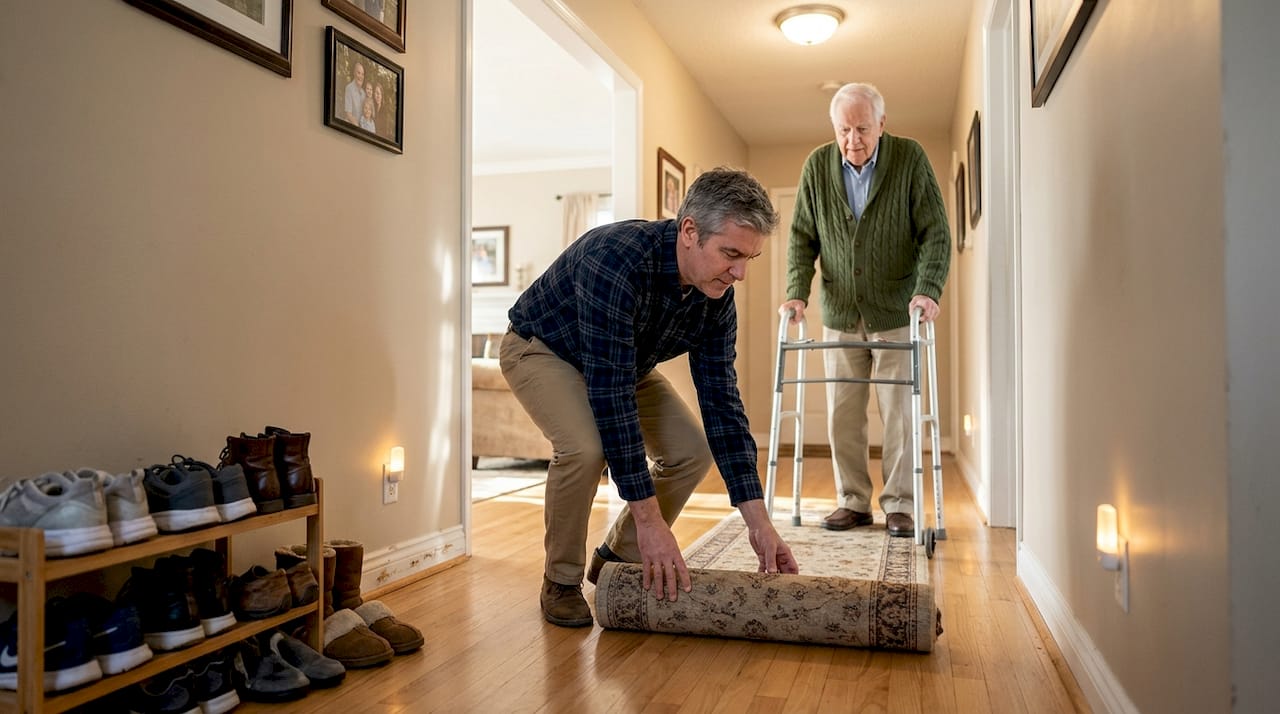
Rearrange furniture to create wide, clear pathways throughout your home. Aim for at least 36 inches of clearance in hallways and between furniture pieces. Remove unnecessary items that clutter walking paths. Secure electrical cords along baseboards rather than running them across floors.
Lighting improvements make a dramatic difference in preventing falls. Modifications like installing grab bars, improving lighting, and ensuring clear pathways help prevent falls, a leading cause of injury among seniors. Replace dim bulbs with brighter LED versions. Add task lighting in key areas like reading chairs and kitchen counters. Install three-way switches at both ends of hallways so lights can be controlled from multiple locations. Consider smart bulbs that can be voice-controlled or automated on schedules.
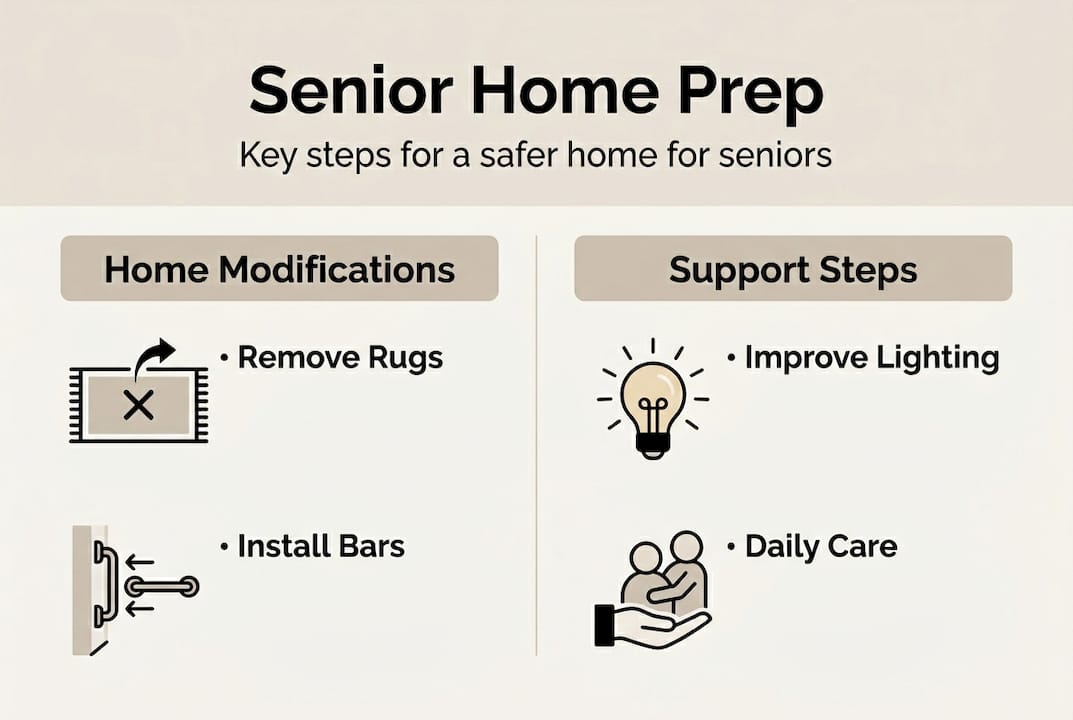
Pro Tip: Use motion-sensor night lights in bathrooms, hallways, and bedrooms. They automatically illuminate when your relative gets up at night, eliminating the need to fumble for switches in the dark.
Modification Type | Effectiveness | Average NYC Cost | Installation Difficulty |
Grab bars (bathroom set) | Very High | $150-$400 | Moderate |
Raised toilet seat | High | $40-$150 | Easy |
Non-slip flooring | Very High | $500-$2,000 | Moderate to High |
Improved lighting | High | $200-$800 | Easy to Moderate |
Stair handrails | Very High | $300-$1,200 | Moderate |
Ramp installation | High | $1,500-$4,000 | High |
For additional guidance on creating safe environments, explore this elderly care safety guide with detailed recommendations.
Integrating in-home care services and daily support
Physical home modifications work best when combined with professional care services that address your elderly relative’s daily living and health needs. Understanding available options helps you build a comprehensive support system.
In-home care services fall into several categories. Personal care aides assist with activities of daily living like bathing, dressing, grooming, and toileting. Companion caregivers provide social interaction, meal preparation, light housekeeping, and medication reminders. Home health aides offer medical support including wound care, vital sign monitoring, and assistance with prescribed therapies. Skilled nursing services deliver advanced medical care for complex conditions.
Coordinating care visits with your home setup maximizes effectiveness. Schedule personal care visits during morning hours when assistance with bathing and dressing is needed. Arrange companion care during times when family members are at work. Ensure caregivers understand your home’s layout and where you’ve placed safety features. Show them how to operate any adaptive equipment.
Communication between family members, seniors, and care professionals is essential. Establish a shared notebook or digital system where caregivers document daily activities, medication administration, meals, and any concerns. Hold regular check-ins with the care agency to discuss how services are working and whether adjustments are needed. Encourage your relative to voice preferences about care routines and caregiver compatibility.
Combining home modifications with professional in-home care improves quality of life and supports aging in place. The right balance depends on your relative’s needs and your family’s capacity to provide direct care.
Service Type | Primary Benefits | Typical NYC Cost | Best For |
Personal Care Aide | ADL assistance, mobility support | $25-$35/hour | Seniors needing daily living help |
Companion Care | Social engagement, meal prep, errands | $20-$30/hour | Cognitively intact seniors needing company |
Home Health Aide | Medical monitoring, medication management | $30-$40/hour | Seniors with chronic conditions |
Skilled Nursing | Advanced medical care, wound care | $50-$80/hour | Post-hospital or complex medical needs |
When selecting care providers, ask these critical questions:
What screening and training do caregivers receive before placement?
Are caregivers bonded and insured for liability protection?
How do you handle caregiver absences or schedule changes?
Can we request a different caregiver if compatibility issues arise?
What is your process for updating care plans as needs change?
Do you offer multilingual caregivers for non-English speaking seniors?
For comprehensive service options tailored to New York families, review elderly care management services that coordinate medical and personal care.
Monitoring, maintaining safety, and adapting over time
Preparing your home for senior care isn’t a one-time project. Your relative’s needs will evolve as health conditions change, requiring ongoing assessment and adaptation.
Watch for these signs that current modifications may no longer be adequate:
Increased frequency of near-falls or actual falls despite existing safety features
New difficulty using previously manageable equipment like grab bars or shower chairs
Changes in mobility requiring different assistive devices
Cognitive decline affecting ability to navigate the home safely
New medical diagnoses that create additional safety concerns
Conduct regular safety inspections using a systematic approach:
Schedule monthly walk-throughs of your home, checking all safety equipment for wear or damage.
Test grab bars and handrails to ensure they remain securely mounted.
Replace worn non-slip mats or adhesive strips before they lose effectiveness.
Check that lighting remains adequate as seasons change daylight hours.
Verify that pathways stay clear and furniture arrangements still support safe movement.
Review medication storage and ensure it’s organized and accessible.
Regular monitoring and adjustment of home environments and care plans prevent accidents and address evolving senior needs.
Avoid these common mistakes that compromise senior safety:
Assuming initial modifications will remain sufficient indefinitely
Neglecting small hazards like loose cabinet handles or worn carpet edges
Failing to reassess needs after hospitalizations or health changes
Making decisions without involving the senior in planning
Overlooking seasonal hazards like wet floors during rainy weather
“The most effective senior care environments evolve continuously, balancing safety with dignity and independence. Regular reassessment ensures your home remains a supportive space as needs change over time.”
Involve your elderly relative in ongoing safety discussions. Ask about areas where they feel unsteady or uncomfortable. Respect their preferences about room arrangements and daily routines. This collaboration maintains their sense of control and dignity while ensuring necessary protections remain in place.
Document all modifications and their dates in a home care log. Note when equipment was installed, when batteries in motion sensors were changed, and when professional inspections occurred. This record helps you track maintenance schedules and provides valuable information if you need to adjust care plans or work with new providers.
Explore expert home care support tailored to your needs
Transforming your home into a safe, comfortable environment for your elderly relative requires careful planning and ongoing attention. While physical modifications create the foundation for senior safety, professional support often makes the difference between struggling and thriving. Friendly Home Care specializes in delivering personalized home health services throughout New York City and Westchester County, helping families like yours coordinate comprehensive care that complements your home preparation efforts. Our experienced caregivers work seamlessly within your adapted home environment, providing compassionate assistance with daily activities while respecting your loved one’s independence. Explore compassionate home health care options designed specifically for New York families navigating the complexities of senior care at home.
How to prepare home for seniors: frequently asked questions
How do I assess if my home is safe enough for my elderly parent?
Conduct a room-by-room evaluation looking for fall hazards like loose rugs, poor lighting, and slippery surfaces. Consider your parent’s specific mobility limitations and cognitive function. A professional occupational therapist or home care agency can provide a formal safety assessment that identifies risks you might overlook and recommends modifications tailored to your parent’s needs.
What are the most critical home modifications for seniors?
Prioritize bathroom safety features including grab bars, non-slip surfaces, and raised toilet seats, as bathrooms pose the highest fall risk. Install adequate lighting throughout the home, especially along pathways to bathrooms. Remove tripping hazards and create wide, clear pathways for mobility devices. Add handrails to all staircases and secure loose rugs or remove them entirely.
When should I consider professional in-home care services?
Consider professional care when your relative needs assistance with daily activities like bathing, dressing, or medication management that family members cannot consistently provide. If safety concerns arise due to cognitive decline or significant mobility limitations, trained caregivers offer specialized support. Professional services also help when family caregivers experience burnout or need respite.
How often should I review and update home safety features?
Conduct monthly inspections of all safety equipment to check for wear or damage. Schedule comprehensive reassessments every six months or whenever your relative experiences health changes, hospitalizations, or increased fall risk. Update modifications immediately if you notice new difficulties with existing equipment or changes in mobility that require different assistive devices.
What resources are available to help families prepare homes for seniors?
New York State offers aging services through local Area Agencies on Aging that provide assessments and modification guidance. Medicare may cover certain durable medical equipment. Home care agencies offer consultations on safety modifications and can connect you with trusted contractors. Review quality home care characteristics to understand what professional support should include when preparing your home for senior care.
Recommended