
How to transition elderly loved ones to home healthcare
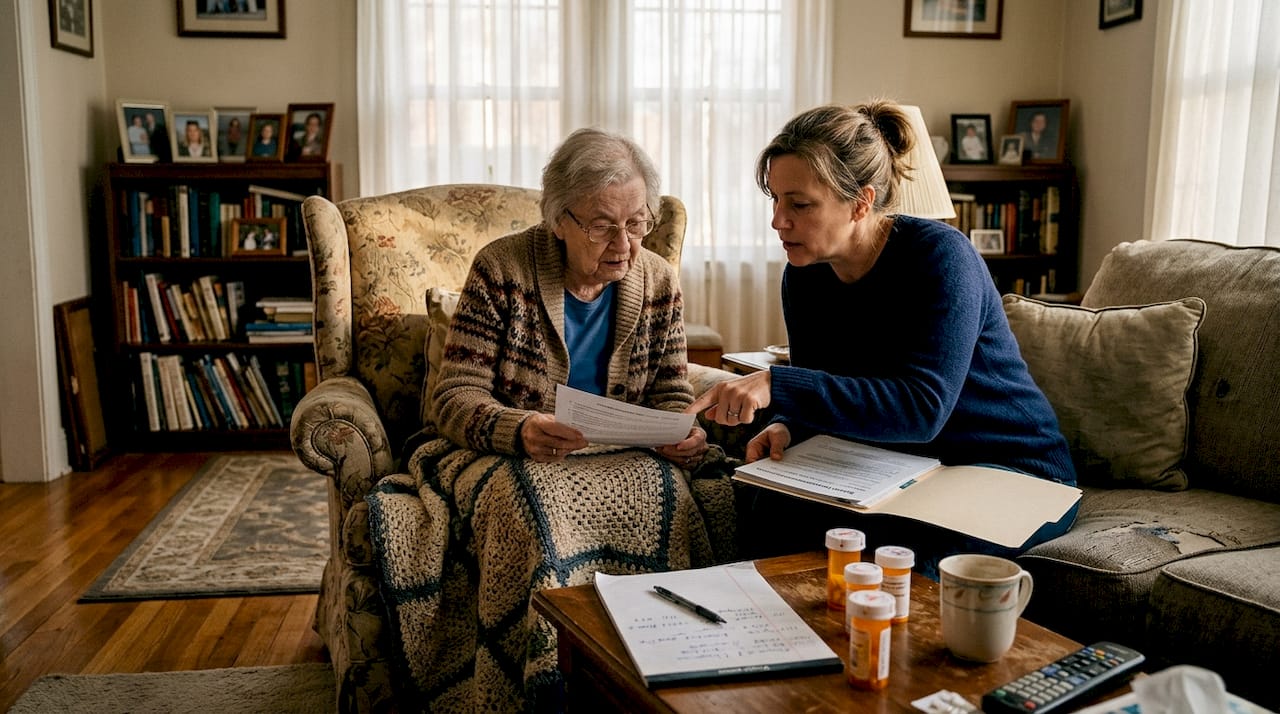
Moving an elderly loved one from the hospital to home healthcare involves far more than just arranging a ride and picking up prescriptions. Families across New York City and Westchester face a critical window where poor planning can lead to hospital readmission rates near 20% within 30 days. The good news? With proper preparation, timely follow-ups, and the right home care services, you can create a safe, comfortable environment that supports independence and dramatically improves outcomes. This guide walks you through every essential step to ensure your loved one’s transition succeeds.
Table of Contents
Understanding the challenges of transitioning to home healthcare
Preparing your home and planning early for a smooth transition
Arranging and initiating home healthcare services in NYC and Westchester
Monitoring, follow-ups, and adjusting care for optimal outcomes
Learn more about personalized home healthcare in NYC and Westchester
How to transition to home healthcare frequently asked questions
Key Takeaways
Point | Details |
Early discharge planning | Start planning with the hospital discharge team as soon as possible to align services and prepare the home. |
Pre discharge home safety assessment | Conduct a thorough home safety assessment before discharge to identify fall hazards and needed safety upgrades. |
Arrange Medicaid home care | Arrange appropriate home care services and verify Medicaid eligibility to cover aides and other support. |
Seven day follow ups | Schedule post discharge medical appointments within seven days to catch issues early and reduce readmissions. |
Monitor and adjust care | Continuously monitor the loved one’s condition and adjust care plans as conditions change. |
Understanding the challenges of transitioning to home healthcare
The journey from hospital bed to home involves navigating a complex system where small oversights create serious consequences. Elderly patients with congestive heart failure face a 30-day readmission rate of 19.8% when discharged home, yet scheduling ambulatory follow-ups within seven days slashes those odds by 62%. That single statistic reveals how critical timing and coordination become during this vulnerable period.
Quality issues plague care transitions more often than families realize. Research examining New York City transitions found that 32 to 55% of care handoffs involve reported problems from both providers and patients. These gaps show up as medication errors, missed follow-up appointments, unclear discharge instructions, and inadequate home safety preparations.
Several factors make transitions particularly risky:
Fragmented communication between hospital staff, primary care doctors, and home health agencies
Incomplete medication reconciliation leading to dangerous drug interactions
Lack of caregiver training on wound care, mobility assistance, or equipment use
Inadequate assessment of the home environment for safety hazards
Limited understanding of available Medicaid programs and eligibility requirements
Patients with dementia, multiple chronic conditions, or recent major surgery require even more specialized attention. Cognitive impairment makes it harder for your loved one to follow medication schedules or recognize warning signs of deterioration. Multiple conditions mean juggling various specialists, prescriptions, and treatment protocols simultaneously.
“The most successful transitions happen when families view discharge planning as a process that starts on day one of hospitalization, not something to figure out hours before leaving.”
Understanding these challenges helps you ask better questions, advocate more effectively, and spot potential problems before they escalate. The characteristics of quality home care include proactive communication, comprehensive assessments, and coordinated follow-up systems that address these exact vulnerabilities.
Preparing your home and planning early for a smooth transition
Successful transitions begin the moment your loved one enters the hospital, not when discharge papers arrive. Connecting with the hospital’s discharge planner or case manager within 24 to 48 hours of admission gives you time to address insurance questions, arrange services, and prepare your home properly.
Your discharge coordinator becomes your primary ally in navigating this process. They assess your loved one’s medical needs, explain home care service options, verify Medicaid eligibility, and coordinate with home health agencies. Schedule regular check-ins throughout the hospital stay to adjust plans as your loved one’s condition evolves.
A comprehensive home safety assessment identifies hazards that could cause falls or injuries. Westchester County medical services emphasize evaluating these critical areas before discharge day arrives:
Safety assessment checklist:
Remove loose rugs, electrical cords, and clutter from walkways
Install grab bars in bathrooms near toilets and in shower areas
Ensure adequate lighting in hallways, stairs, and bedrooms with night lights
Secure medications in organized containers away from confused or curious grandchildren
Verify that frequently used items sit within easy reach to prevent stretching or climbing
Check that smoke detectors and carbon monoxide alarms function properly
Arrange furniture to create wide, clear pathways for walkers or wheelchairs
Many families discover they need specific modifications or equipment. A raised toilet seat, shower chair, hospital bed, or wheelchair ramp might become necessary depending on mobility limitations. Order durable medical equipment early since delivery and insurance approval can take several days.
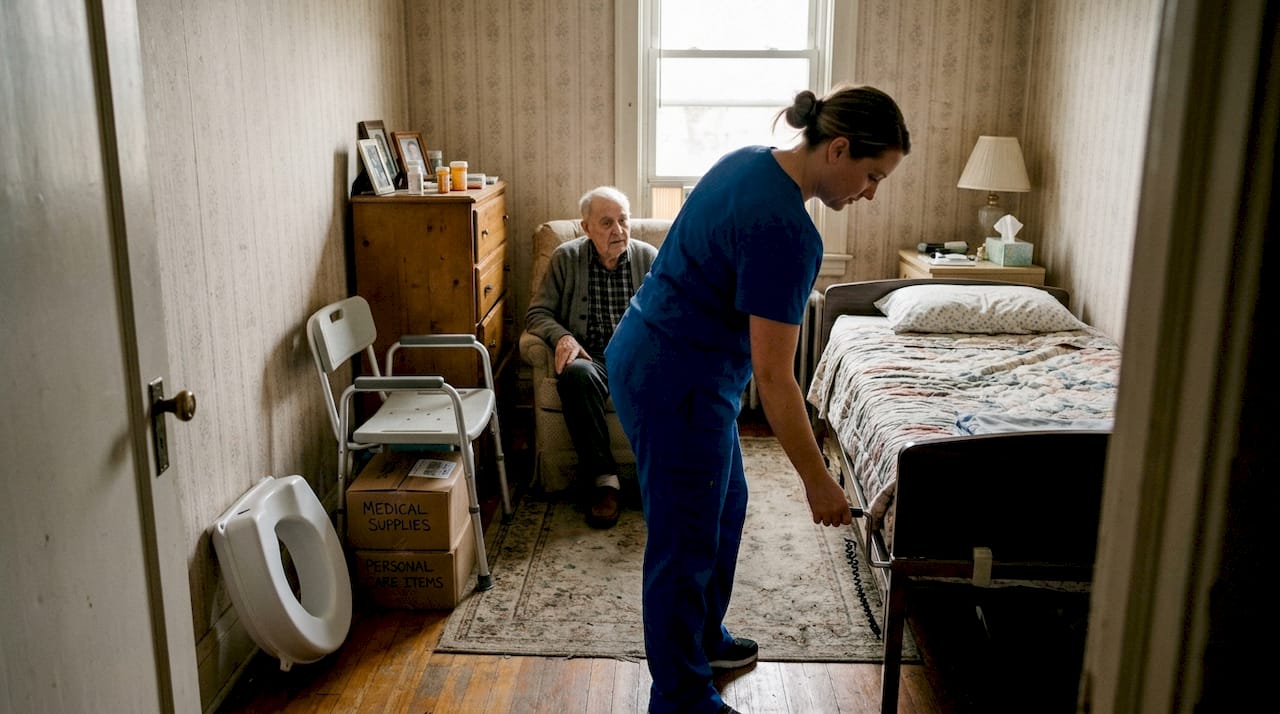
Pro Tip: Take photos of your home layout and share them with the discharge planner or occupational therapist. They can spot potential hazards you might miss and suggest specific modifications based on your loved one’s mobility challenges.
Essential preparation timeline:
Days 1 to 2 after admission: Meet with discharge planner and discuss expected length of stay
Days 3 to 4: Complete home safety assessment and order necessary equipment
Days 5 to 6: Arrange home care services and verify Medicaid coverage
Day 7: Confirm follow-up appointments and medication delivery
Discharge day: Review care instructions and emergency protocols with all caregivers
Home modification | Estimated cost | Installation time | Medicaid coverage |
Grab bars | $50 to $200 | 1 to 2 hours | Sometimes covered |
Raised toilet seat | $30 to $100 | 15 minutes | Often covered |
Wheelchair ramp | $1,500 to $4,000 | 1 to 3 days | May be covered |
Hospital bed rental | $200 to $400/month | Same day delivery | Usually covered |
Shower chair | $40 to $150 | Immediate use | Often covered |
Gather essential medical information before discharge day arrives. Create a binder with medication lists, allergy information, emergency contacts, insurance cards, and copies of advance directives. Understanding compassionate care practices helps you prepare emotionally for the adjustment period ahead.
Research shows that home rehabilitation significantly improves outcomes for stroke patients and others recovering from acute events. Starting physical or occupational therapy at home within days of discharge maintains momentum from hospital progress and prevents functional decline.
Arranging and initiating home healthcare services in NYC and Westchester
New York offers several pathways to home healthcare, each designed for different needs and eligibility criteria. Understanding your options helps you match services to your loved one’s specific situation and maximize available benefits.
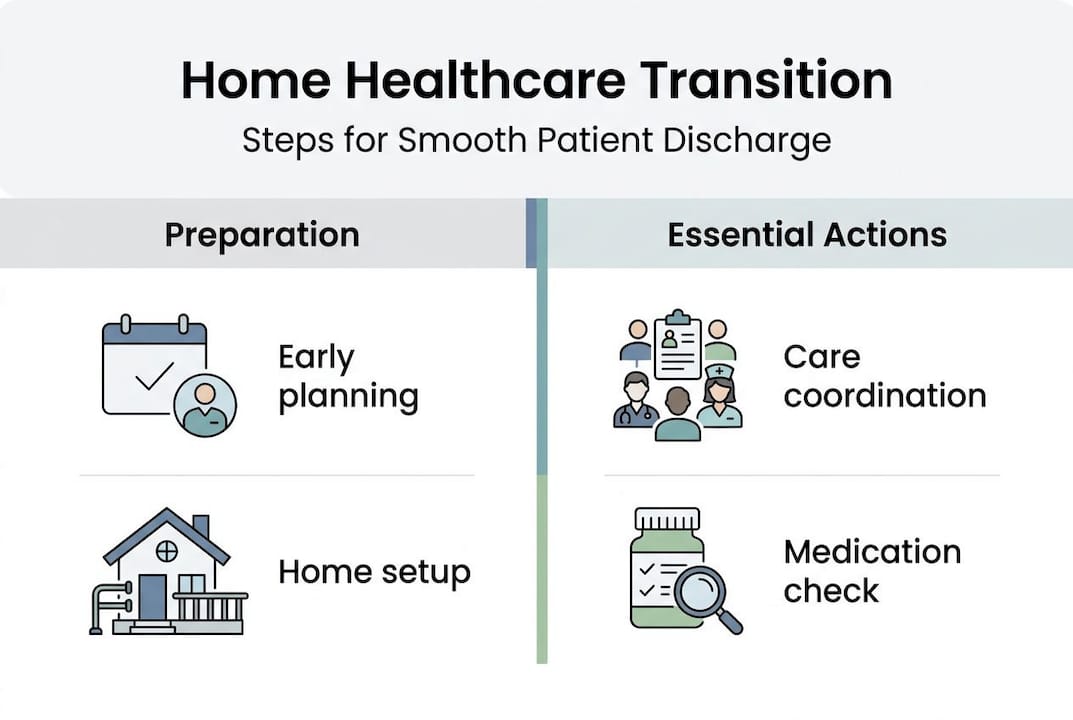
Westchester Medicaid programs include Personal Care Services for help with daily activities, Consumer Directed Personal Assistance Program allowing family hires, Certified Home Health Agencies providing skilled nursing, and Managed Care Long Term Program supporting frail elderly individuals. Each program has distinct eligibility requirements based on income, assets, and functional limitations.
Personal Care Aides assist with activities of daily living like bathing, dressing, grooming, toileting, and meal preparation. They provide essential support for seniors who remain relatively stable medically but need help maintaining independence safely. These aides typically work scheduled shifts ranging from a few hours daily to 24-hour live-in care.
The Consumer Directed Personal Assistance Program offers unique flexibility by letting you hire, train, and supervise your own caregiver. Many families choose to employ trusted relatives, friends, or community members who understand their loved one’s cultural preferences and communication style. You become the employer, managing schedules and payroll with support from a fiscal intermediary.
Certified Home Health Agencies provide skilled services including registered nurses, physical therapists, occupational therapists, speech therapists, and medical social workers. These professionals deliver wound care, medication management, rehabilitation therapy, and care coordination under physician orders. Skilled services typically continue for a defined period focused on specific treatment goals.
The Managed Care Long Term Program serves individuals who qualify for nursing home level care but prefer remaining home. This comprehensive option coordinates all medical and personal care services through a single managed care plan, simplifying administration for families juggling multiple providers.
Home care service comparison:
Service type | Who provides care | What’s included | Best for | Medicaid coverage |
Personal Care Services | Agency-employed aides | ADL assistance, light housekeeping | Stable chronic conditions | Yes, if eligible |
CDPAP | Family or friend you hire | ADL assistance, companionship | Those wanting familiar caregivers | Yes, if eligible |
Certified Home Health | Licensed nurses and therapists | Skilled nursing, rehabilitation | Post-surgery, wound care | Yes, with orders |
MCLTP | Coordinated team | Comprehensive medical and personal care | Nursing home level needs | Yes, if eligible |
Medication management becomes crucial during the transition period. Organize prescriptions in clearly labeled pill organizers sorted by day and time. Set phone alarms as reminders for doses throughout the day. Keep an updated list of all medications including name, dosage, frequency, and purpose where caregivers can easily reference it.
Pro Tip: Ask your pharmacist about medication synchronization programs that align all prescription refills to the same date each month. This prevents the confusion of tracking multiple refill schedules and reduces the risk of running out of critical medications.
Explore Friendly Home Care’s services to understand the full range of support available throughout NYC and Westchester. Licensed agencies provide trained, screened caregivers who understand local Medicaid programs and can navigate the system efficiently on your behalf.
Many families benefit from Medicaid-covered programs that significantly reduce out-of-pocket costs. Application processes vary by county, so connect with your local Department of Social Services to verify eligibility and submit required documentation promptly.
Monitoring, follow-ups, and adjusting care for optimal outcomes
The first two weeks home represent the highest-risk period for complications and readmissions. Close monitoring during this critical window catches problems early when they’re easiest to address. Research confirms that scheduling follow-ups within 7 days post-discharge reduces hospital readmissions by 62%, making this timeline non-negotiable.
Book appointments with your loved one’s primary care physician, specialists, and home health agency before leaving the hospital. Write down dates, times, and locations in multiple places including a wall calendar, phone reminders, and the medical information binder. Confirm transportation arrangements whether you’re driving, using Access-a-Ride, or arranging medical transport services.
Essential monitoring areas:
Vital signs including blood pressure, heart rate, temperature, and oxygen levels
Medication adherence and any side effects or adverse reactions
Wound healing progress with attention to redness, drainage, or odor
Mobility and balance including any new difficulty walking or increased falls
Mental status changes like confusion, agitation, or unusual sleepiness
Appetite, hydration, and bathroom habits for signs of complications
Pain levels and effectiveness of pain management strategies
Create a simple daily log where caregivers record observations, medications given, meals eaten, and any concerns. This documentation becomes invaluable when communicating with healthcare providers about changes or problems. Patterns often emerge more clearly when you review written records rather than relying on memory.
Recognize warning signs that require immediate medical attention:
Sudden confusion, disorientation, or significant personality changes
Chest pain, severe shortness of breath, or irregular heartbeat
High fever above 101°F or signs of infection
Uncontrolled pain despite medication
Falls resulting in injury or significant mobility decline
Inability to keep down food, fluids, or medications
Worsening of the condition that led to hospitalization
Don’t hesitate to call your doctor, home health nurse, or 911 when something feels wrong. Trust your instincts as a family caregiver because you know your loved one best and notice subtle changes professionals might miss during brief visits.
“The most successful home care situations involve families who view care plans as living documents that evolve based on ongoing assessment rather than static instructions set at discharge.”
Schedule regular care conferences with your home health team every two to four weeks. These meetings provide opportunities to discuss progress, adjust service hours, modify treatment approaches, and address emerging concerns before they become crises. Communication prevents small issues from snowballing into hospital readmissions.
Complex cases benefit from enhanced support systems. Telehealth nurse practitioner interventions significantly reduce readmissions for patients with advanced conditions like end-stage cancer by providing expert guidance between in-person visits. Video consultations let nurses assess symptoms, adjust medications, and provide reassurance without requiring exhausting trips to medical offices.
Digital health tools like medication reminder apps, fall detection devices, and remote vital sign monitors add extra layers of safety. Many Medicaid programs now cover these technologies for eligible individuals with chronic conditions requiring intensive monitoring.
The supportive home services that maintain independence include not just medical care but also social engagement, mental stimulation, and emotional support. Isolation and depression undermine physical recovery, so prioritize activities that keep your loved one connected to family, friends, and community.
Learn more about personalized home healthcare in NYC and Westchester
Navigating the transition to home healthcare requires expertise, compassion, and local knowledge of New York’s complex system. Friendly Home Care specializes in supporting families throughout NYC and Westchester with personalized care plans tailored to each individual’s unique medical needs, cultural preferences, and family circumstances.
Our experienced team handles everything from coordinating with hospital discharge planners to arranging comprehensive home health services that keep your loved one safe and comfortable. We understand Medicaid programs, manage caregiver scheduling, and provide ongoing support as needs evolve over time.
Licensed by the New York State Department of Health and accredited by The Joint Commission, we deliver the professional reliability families depend on during stressful transitions. Our multilingual caregivers serve diverse communities across all five boroughs and Westchester with culturally sensitive, respectful care.
Visit Friendly Home Care to schedule a consultation and discover how our personalized approach makes transitions smoother, safer, and more successful for families throughout the region.
How to transition to home healthcare frequently asked questions
What steps should families start with to transition to home healthcare?
Begin by meeting with the hospital discharge planner within 48 hours of admission to discuss your loved one’s expected needs and timeline. Complete a home safety assessment identifying fall hazards, accessibility barriers, and necessary modifications. Arrange appropriate home care services through Medicaid programs or private agencies, and schedule follow-up medical appointments within seven days of discharge.
How soon should follow-up appointments be scheduled after discharge?
Schedule all follow-up appointments within seven days of hospital discharge to reduce readmission risk by 62%. This includes visits with the primary care physician, relevant specialists, and the home health nurse for initial assessment. Earlier follow-ups catch complications before they escalate and ensure medication regimens work properly.
What are the different Medicaid home care options available in Westchester?
Westchester Medicaid offers Personal Care Services for daily living assistance, Consumer Directed Personal Assistance Program allowing you to hire family or friends as paid caregivers, Certified Home Health Agencies providing skilled nursing and therapy, and Managed Care Long Term Program for individuals needing nursing home level care at home. Eligibility depends on income, assets, and functional limitations assessed by the county.
How can families manage medication safely at home?
Organize all medications in clearly labeled pill organizers sorted by day and time of administration. Set multiple phone alarms as reminders for each dose throughout the day. Keep an updated medication list with names, dosages, frequencies, and purposes accessible to all caregivers. Ask your pharmacist about synchronizing all refills to the same monthly date to simplify tracking.
What should be done if the elderly loved one’s condition worsens at home?
Call your primary care doctor or home health nurse immediately to report specific symptoms and changes you’ve observed. Seek emergency care for chest pain, severe breathing difficulty, high fever, uncontrolled pain, sudden confusion, or falls with injury. Document all symptoms in your daily log to provide accurate information to medical professionals. Don’t delay seeking help when something feels wrong, as early intervention prevents complications.
How do families know if their loved one qualifies for Medicaid home care?
Contact your local Department of Social Services to request a Medicaid assessment evaluating income, assets, and functional limitations. Eligibility typically requires meeting financial thresholds and demonstrating need for assistance with activities of daily living like bathing, dressing, or mobility. The assessment process takes several weeks, so start applications early during hospitalization rather than waiting until discharge day approaches.
Recommended