
Why home care is important for seniors in NYC 2026
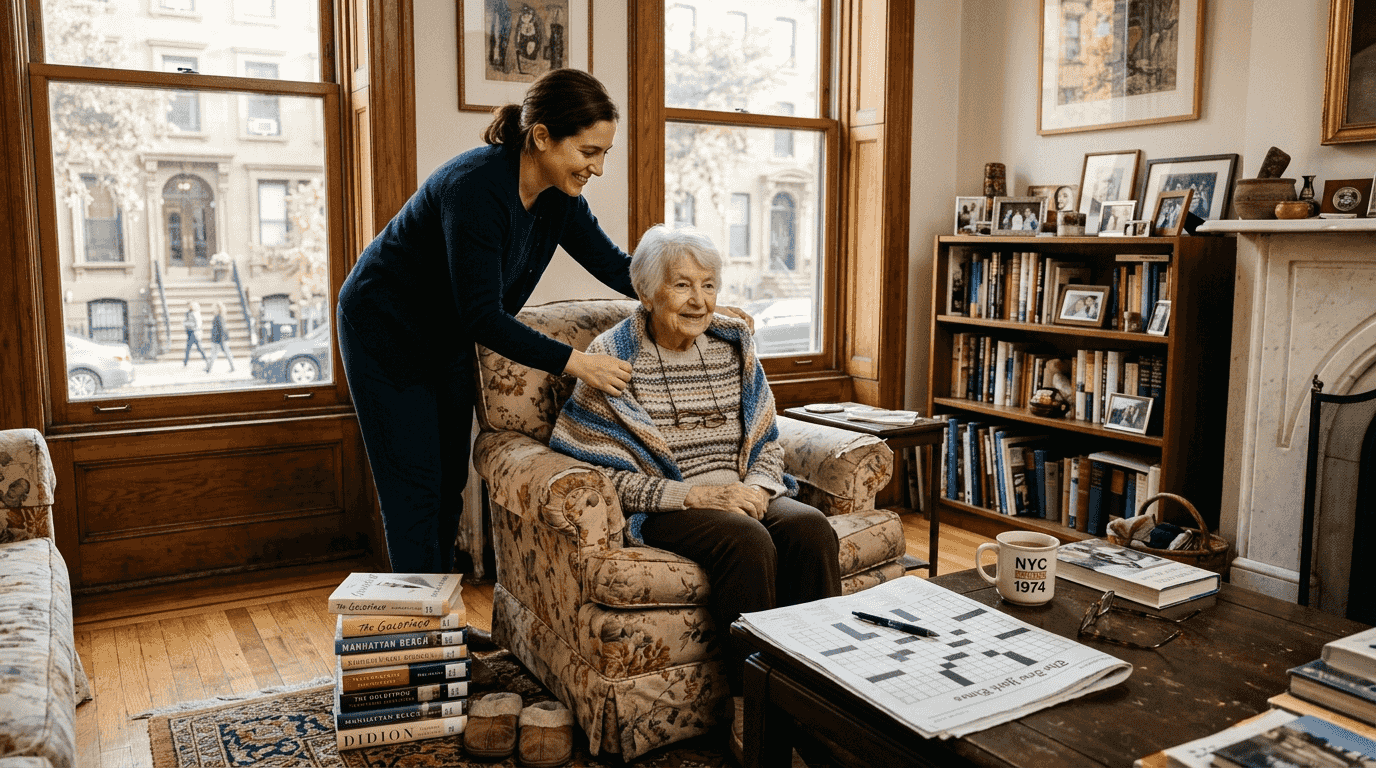
Many families assume assisted living is the only realistic option when a senior needs support, but that overlooks a powerful alternative. Home care allows older adults to remain in familiar surroundings while receiving personalized medical and daily living assistance tailored to their needs. For families across New York City and Westchester, understanding why home care matters can transform how they support aging loved ones. This approach preserves independence, delivers better emotional outcomes, and connects seniors with community resources that make aging in place both practical and dignified.
Table of Contents
Key takeaways
Point | Details |
Independence preservation | Home care supports daily routines and autonomy, reducing depression and stress compared to institutional settings. |
Personalized medical support | Services adapt to unique health needs, from basic assistance to skilled nursing and mobility support. |
Workforce stability matters | Longer nurse tenures in home health improve care consistency, though retention challenges require attention. |
Community programs amplify care | NYSOFA and local agencies provide non-clinical supports that reduce costs and enhance aging in place outcomes. |
How home care supports independence and emotional well-being
Staying in a familiar environment gives seniors control over their daily lives in ways institutional care cannot replicate. When older adults receive supportive home services in their own residences, they maintain routines, keep personal belongings close, and make choices about meals, schedules, and social activities. This autonomy directly impacts mental health. Research shows that seniors living at home experience higher quality of life and lower depression rates compared to those in assisted living facilities.
Emotional benefits extend beyond simple preference. Familiar surroundings reduce anxiety and confusion, especially for individuals with cognitive decline. Seniors recognize their neighborhood, maintain relationships with longtime neighbors, and continue participating in community activities they value. Home care providers work within this context, reinforcing connections rather than replacing them. The result is a support system that feels less clinical and more integrated into everyday life.
Pro Tip: Schedule care visits during times when your loved one is most alert and engaged. Morning assistance with bathing and dressing, followed by companionship during afternoon activities, can maximize both safety and social interaction.
“The ability to age in place isn’t just about physical safety. It’s about preserving the sense of self that comes from living in a space filled with memories, routines, and personal meaning.”
Independence also promotes physical health. Seniors who remain active in their homes, even with mobility limitations, tend to maintain better functional abilities than those who become sedentary in institutional settings. Home care aides encourage movement, assist with exercises recommended by physical therapists, and help seniors navigate their living spaces safely. This ongoing engagement supports overall quality of life in measurable ways.
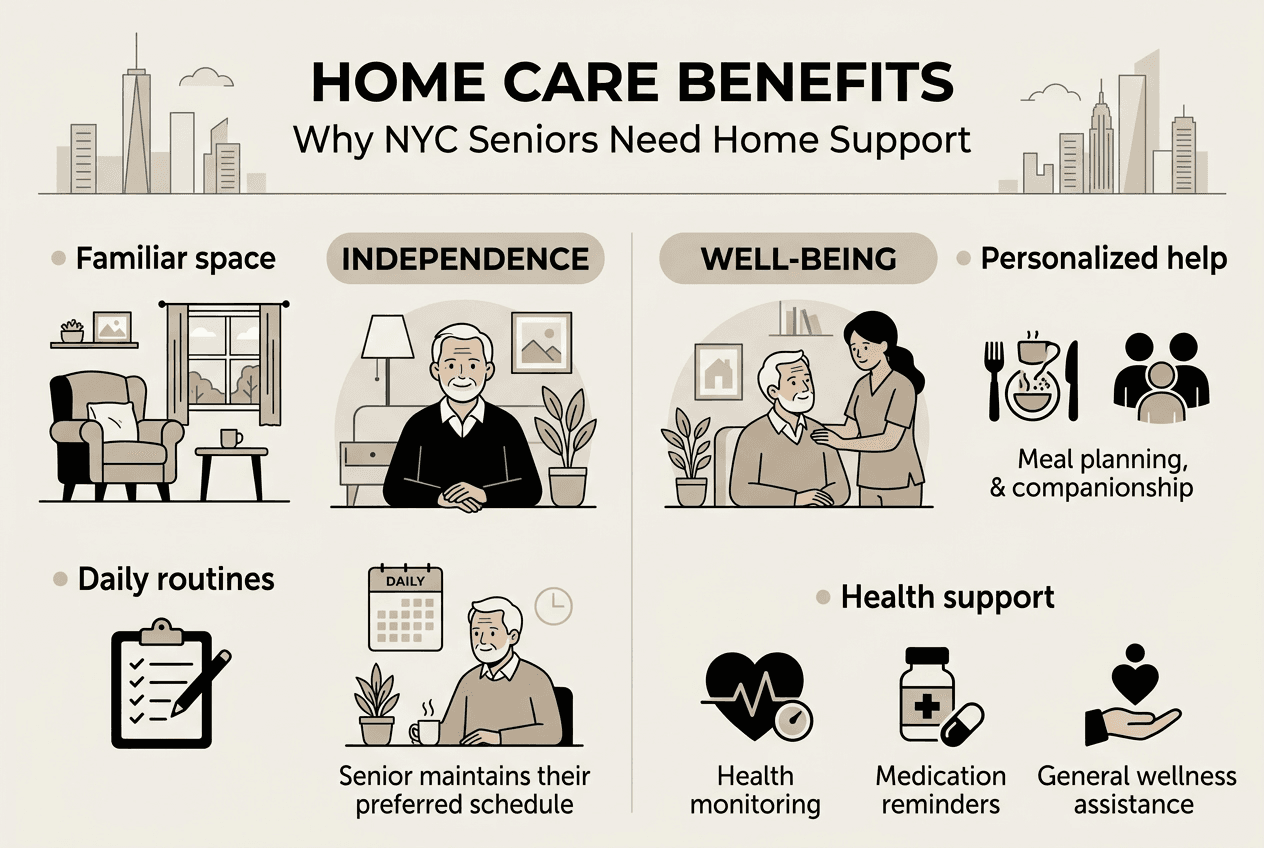
Community familiarization reduces the isolation that often accompanies aging. When seniors stay in their neighborhoods, they continue seeing familiar faces at local shops, places of worship, and community centers. Home care workers can facilitate these connections by providing transportation or accompanying seniors to social events. Understanding quality home care characteristics helps families select providers who prioritize both physical assistance and emotional support.
Key emotional benefits include:
Reduced depression through familiar environment maintenance
Lower anxiety from consistent routines and recognizable surroundings
Preserved dignity through personalized care delivery
Continued social connections with neighbors and community members
Enhanced sense of control over daily decisions and activities
Personalized care tailored to medical and mobility needs
Home care services adapt to each senior’s specific health requirements, offering flexibility that institutional settings struggle to match. Home care agencies provide services ranging from basic personal care to skilled nursing, ensuring appropriate support levels for diverse medical conditions. Families in Brooklyn, Manhattan, Queens, the Bronx, Staten Island, and Westchester can access customized plans addressing chronic disease management, post-surgical recovery, medication administration, and complex medical equipment operation.
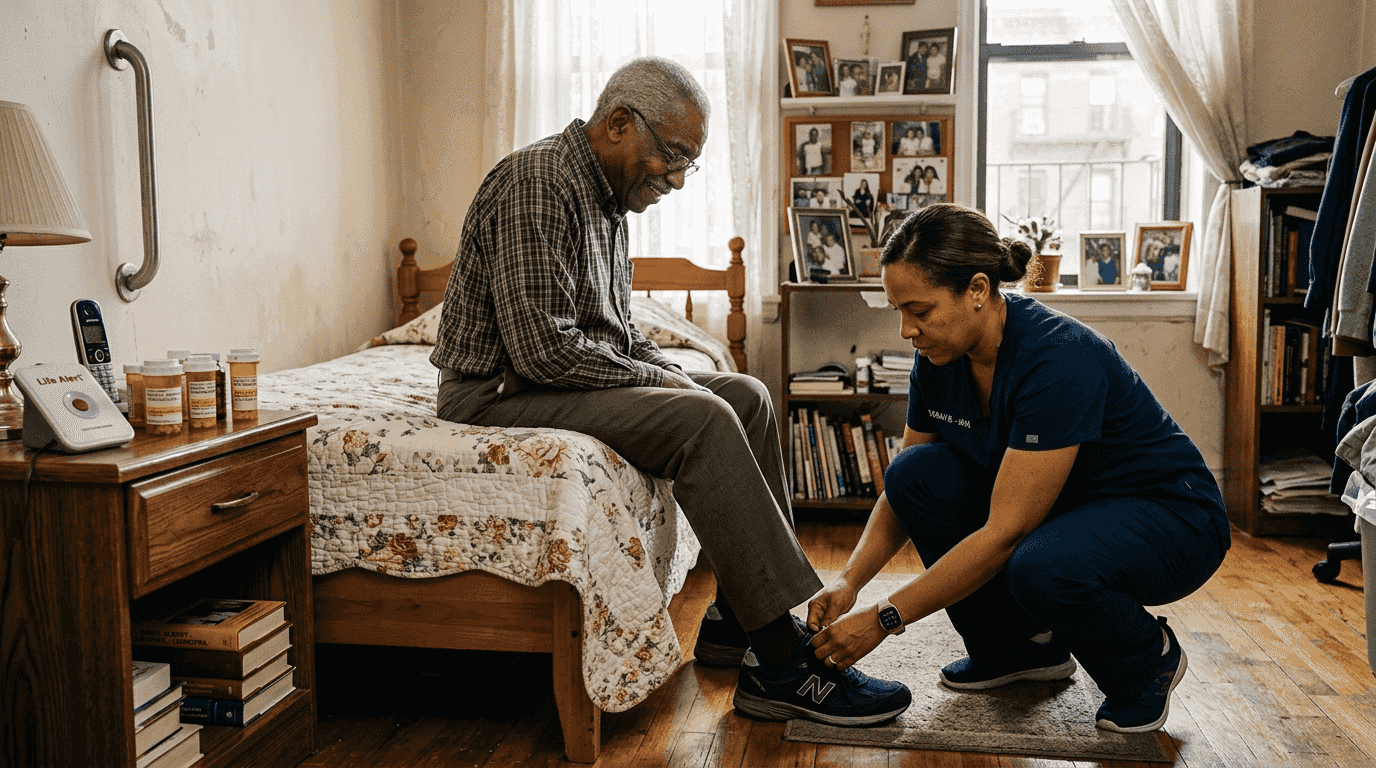
Personal care assistance forms the foundation for many seniors. Aides help with bathing, dressing, grooming, toileting, and transferring between bed and chair. These activities of daily living become challenging as mobility declines or health conditions progress. Professional caregivers provide respectful support that maintains dignity while ensuring safety. For seniors with arthritis, Parkinson’s disease, or stroke recovery needs, this assistance prevents falls and enables continued home residence.
Mobility support extends beyond basic transfers. Home health aides assist with ambulation using walkers or canes, accompany seniors during physical therapy exercises, and modify living spaces to reduce fall risks. Simple interventions like removing throw rugs, installing grab bars, and improving lighting make significant safety differences. Caregivers trained in mobility assistance recognize warning signs of balance problems and communicate concerns to family members and healthcare providers.
Pro Tip: Request a home safety assessment from your care agency before services begin. Professional evaluations identify hazards you might overlook and recommend modifications that prevent injuries.
Dietary support addresses nutritional needs that often decline with age. Home care workers prepare meals following prescribed diets for diabetes, heart disease, kidney conditions, or other health issues. They monitor food intake, ensure adequate hydration, and alert families when appetite changes suggest underlying problems. For seniors with swallowing difficulties, caregivers prepare appropriate texture modifications and supervise meals to prevent choking.
Skilled nursing services bring medical expertise into the home. Registered nurses and licensed practical nurses administer medications, manage wound care, monitor vital signs, operate feeding tubes or catheters, and coordinate with physicians. This level of care allows seniors with complex medical needs to avoid hospitalization or nursing home placement. Families exploring home health services discover comprehensive options matching their loved one’s specific situation.
Typical care services include:
Personal care assistance with bathing, dressing, and grooming
Medication reminders and administration by licensed nurses
Mobility support including transfers, ambulation, and fall prevention
Meal preparation following dietary restrictions and preferences
Companionship reducing isolation and promoting mental stimulation
Transportation to medical appointments and community activities
Light housekeeping maintaining safe, clean living environments
Respite care giving family caregivers necessary breaks
Care Level | Services Included | Typical Schedule |
Basic Personal Care | ADL assistance, companionship, meal prep | 2-4 hours daily |
Intermediate Support | Personal care plus medication reminders, mobility help | 4-8 hours daily |
Skilled Nursing | Medical procedures, wound care, IV therapy, monitoring | Scheduled visits or 24/7 |
Live-in Care | Comprehensive support including overnight assistance | Continuous presence |
Scheduling flexibility allows families to adjust care hours as needs change. Some seniors require only morning assistance, while others benefit from evening support or overnight supervision. Understanding how to start home care services helps families navigate initial assessments and create effective care plans.
Challenges and solutions for home health nurse retention
Workforce stability directly impacts care quality, making nurse retention a critical concern for home care agencies. Studies reveal that home health nurses demonstrate longer career tenures but face later-career turnover risks higher than hospital nurses. This pattern affects continuity of care, as seniors benefit most from consistent relationships with caregivers who understand their medical histories, preferences, and family dynamics.
Turnover rates differ significantly between home health and hospital nursing environments. Hospital nurses often leave positions within the first few years, while home health nurses tend to remain longer initially but experience increased turnover risk after extended tenures. Work hours and setting characteristics influence these patterns. Home health nurses value schedule flexibility and autonomy but face challenges like isolation from colleagues, variable patient conditions, and transportation demands across service areas.
Longer tenures generally protect against turnover, yet home health nurses eventually encounter factors that hospital nurses experience earlier in their careers. These include burnout from emotional labor, physical demands of patient care, and limited advancement opportunities. Agencies addressing these challenges through competitive compensation, professional development programs, and peer support networks see improved retention rates. For families, stable nursing staff means fewer disruptions and better health outcomes.
“Consistent caregivers build trust and familiarity that enhances care effectiveness. When the same nurse visits regularly, they notice subtle changes in a senior’s condition that might escape a rotating staff’s attention.”
Stable nurse workforce vitality for consistent home care quality cannot be overstated. Seniors with chronic conditions require caregivers who recognize deviations from baseline health status. A nurse familiar with a patient’s typical blood pressure, mobility level, and cognitive function can identify problems early and intervene before emergencies develop. This continuity reduces hospitalizations and improves overall health management.
Factors affecting home health nurse retention:
Schedule flexibility attracting nurses seeking work-life balance
Professional isolation limiting peer interaction and support
Physical demands of home visits and patient transfers
Variable patient acuity requiring adaptable clinical skills
Transportation challenges navigating urban and suburban areas
Compensation competitiveness compared to hospital positions
Setting | Early Career Turnover | Mid Career Turnover | Late Career Turnover |
Hospital Nursing | Higher | Moderate | Lower |
Home Health Nursing | Lower | Moderate | Higher |
Agencies prioritizing quality home care characteristics invest in workforce development, recognizing that caregiver satisfaction translates to patient satisfaction. Training programs, mentorship opportunities, and recognition initiatives help nurses feel valued and supported. For families selecting home care providers, asking about staff retention rates and support systems offers insight into care consistency.
New York State support and community programs for aging in place
New York provides extensive resources helping seniors remain independent at home beyond clinical care services. The New York State Office for the Aging partners with 59 local Area Agencies on Aging and nearly 1,200 community organizations to deliver comprehensive supports. These programs promote health, prevent abuse, facilitate community engagement, and preserve autonomy for older adults throughout NYC and Westchester.
NYSOFA backs an extensive network of aging support agencies that coordinate services at the local level. Area Agencies on Aging assess individual needs, connect seniors with appropriate resources, and monitor service delivery. They manage programs addressing nutrition, transportation, caregiver support, legal assistance, and health promotion. This infrastructure ensures that families can access help navigating complex systems and identifying available benefits.
Programs promoting health, abuse prevention, engagement, and autonomy include congregate and home delivered meals, senior centers offering social activities, transportation services for medical appointments and errands, and information hotlines providing guidance. These non-clinical supports complement medical home care by addressing social determinants of health. A senior receiving nutritious meals and regular social contact alongside personal care assistance experiences better outcomes than one receiving medical support alone.
Community organizations reduce long-term care costs by preventing or delaying nursing home placement. When seniors access meal programs, home modifications, and caregiver respite services, they maintain independence longer. This approach benefits both families and state budgets. Pre-Medicaid services prove especially critical, supporting individuals who don’t yet qualify for Medicaid home care but need assistance remaining safely at home.
Pre-Medicaid services critical for aging in place include:
Home delivered meals ensuring adequate nutrition
Personal emergency response systems providing 24/7 safety monitoring
Home modifications like ramps, grab bars, and stair lifts
Caregiver respite services preventing family burnout
Care management coordinating multiple service providers
Legal assistance with advance directives and benefits applications
Program Type | Services Provided | Eligibility |
Nutrition Programs | Congregate meals, home delivery, nutrition counseling | Age 60+, no income limits |
Transportation | Medical appointments, shopping, social activities | Age 60+, mobility limitations |
Caregiver Support | Respite care, training, support groups, counseling | Family caregivers of seniors |
Legal Services | Estate planning, benefits assistance, elder abuse prevention | Age 60+, priority to low income |
Families exploring community support services in NY discover resources that enhance home care effectiveness. Combining professional caregiving with community programs creates comprehensive support systems addressing medical, social, and practical needs. This integrated approach represents the gold standard for aging in place successfully.
Local agencies throughout Brooklyn, Queens, Manhattan, the Bronx, Staten Island, and Westchester offer tailored programs reflecting neighborhood demographics and needs. Multilingual services ensure accessibility for diverse communities. Families benefit from contacting their local Area Agency on Aging to learn about available supports and application processes.
Discover compassionate home care services in NYC and Westchester
Friendly Home Care delivers personalized in-home elder care throughout New York City and Westchester County, helping families support aging loved ones with dignity and compassion. Our licensed and accredited team provides comprehensive home health services tailored to each senior’s unique medical, mobility, and personal care needs. Whether you’re seeking assistance for a family member in Brooklyn, Manhattan, Queens, the Bronx, Staten Island, or Westchester, we offer reliable solutions that enable seniors to remain safe and comfortable at home. Our multilingual caregivers deliver culturally sensitive support, and our commitment to quality care has made us a trusted partner for families throughout the region. Visit Friendly Home Care to explore your options, or learn more about starting home care services for your loved one today.
What are the top questions families in NYC ask about home care?
Who qualifies for home care services in New York?
Seniors with medical conditions, mobility limitations, or difficulties performing daily activities typically qualify. Eligibility depends on functional needs rather than specific diagnoses, and assessments determine appropriate service levels.
How much does home care cost in NYC and Westchester?
Costs vary based on care hours, service type, and provider. Basic personal care averages $25 to $35 per hour, while skilled nursing costs more. Medicaid, Medicare, long-term care insurance, and veterans benefits may cover eligible services.
What qualifications do home health nurses have?
Home health registered nurses hold active New York State licenses and complete specialized training in home care delivery. Many have certifications in geriatrics, wound care, or chronic disease management. Agencies conduct background checks and verify credentials before employment.
How do I begin arranging home care for my parent?
Start by assessing your loved one’s needs through consultation with their physician and a home care agency. Most providers offer free evaluations to recommend appropriate services. Review how to start home care services for detailed guidance on the process.
Can home care prevent nursing home placement?
Yes, comprehensive home care often delays or prevents institutional placement. Combining professional caregiving with community supports allows many seniors to age in place successfully, even with significant medical or mobility challenges.
What if my parent’s needs change over time?
Quality home care agencies regularly reassess clients and adjust care plans as needs evolve. Services can increase from a few hours weekly to 24/7 support, ensuring appropriate assistance at each stage.
Recommended