
Why seniors need daily help: Safe, personalized home care
TL;DR:
Many seniors in NYC show signs of declining independence that require timely daily assistance to prevent safety risks. Recognizing early ADL and IADL difficulties allows families to act before emergencies occur, ensuring safe aging at home. Utilizing local programs, assessments, and professional care plans helps families maintain quality of life and avoid costly crises.
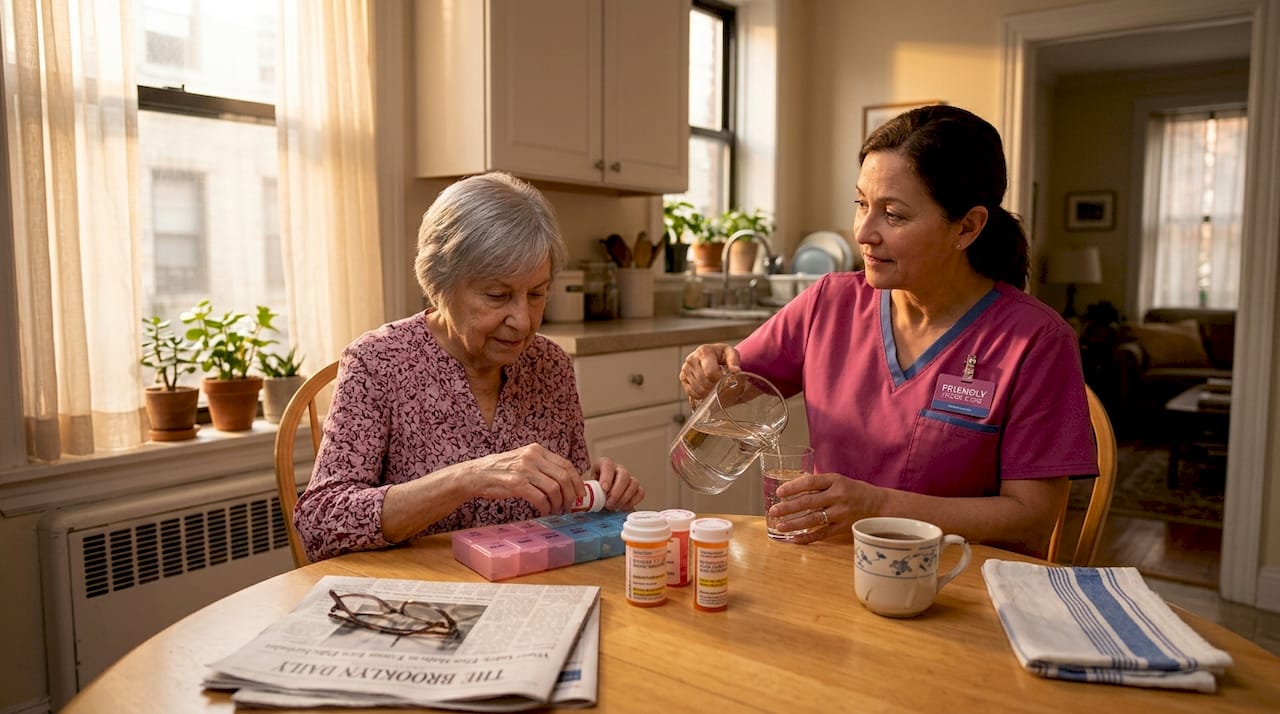
Many families across New York City watch their elderly loved ones struggle with everyday tasks and quietly tell themselves, “Mom is just slowing down a little.” It feels like a natural part of aging. But that moment, when bathing takes twice as long, meals are skipped, or medications are forgotten, is rarely just normal aging. It is often the first visible sign of a real and growing safety risk. Understanding why seniors need daily assistance, and acting on that knowledge early, can be the difference between safe aging at home and a preventable crisis.
Table of Contents
Key Takeaways
Point | Details |
ADLs signal real need | When seniors struggle with daily tasks, it’s a sign that daily help is essential for health and safety. |
Causes go beyond age | Declining independence often results from medical issues and environment, not just aging. |
NYC faces unique challenges | Waitlists and demand in NYC make acting early crucial for securing assistance. |
Balanced approach works best | Exercise, early support, and hands-on help combined help seniors age safely at home. |
Professional assessment matters | Getting a formal evaluation helps families access programs and make the right decisions. |
The real reasons seniors need daily assistance
Now that you recognize these changes aren’t just about “slowing down,” let’s dig into what really drives the need for daily help.
Daily assistance refers specifically to support with Activities of Daily Living, commonly called ADLs. These are the fundamental personal care tasks that every person must perform to stay safe, healthy, and comfortable. According to clinical ADL research, the six core ADLs are:
Bathing: Washing the body safely without slipping or falls
Dressing: Choosing and putting on appropriate clothing
Eating: Feeding oneself, which requires coordination and appetite
Toileting: Getting to and from the toilet and managing hygiene
Transferring: Moving from bed to chair or wheelchair without injury
Continence: Controlling bladder and bowel function
When a senior struggles with one or more of these tasks, the consequences go far beyond discomfort. Research confirms that inability to perform ADLs leads directly to unsafe home conditions, poor quality of life, higher risk of hospitalization, and greater likelihood of nursing home admission. These are not small risks. A senior who cannot bathe safely faces skin infections and falls. One who cannot eat independently risks malnutrition. These outcomes compound quickly without support.
“The absence of daily assistance for ADL-impaired seniors is not a lifestyle issue. It is a patient safety issue.”
For families, this reality adds emotional and logistical stress. You may be working full time, raising children, and suddenly realizing that your parent’s needs are beyond what weekend visits can address. That weight is real. And it is exactly why understanding what daily assistance means, and when it becomes essential, matters so much. Taking steps early to think about preparing your home for seniors is one practical way to reduce risk while you evaluate care options.
Understanding the causes of decline: Not just “getting older”
But understanding what help is needed means first understanding the causes behind declining independence.
Aging plays a role, but it is rarely the only cause. The causes of ADL decline are wide-ranging and include:
Musculoskeletal conditions: Arthritis, osteoporosis, and joint pain limit mobility and fine motor skills
Neurological conditions: Stroke, Parkinson’s disease, and neuropathy affect balance and coordination
Circulatory and sensory decline: Poor circulation and reduced vision or hearing increase fall risk
Cognitive decline and dementia: Memory loss affects judgment, safety awareness, and self-care
Medication side effects: Dizziness, drowsiness, or confusion from multiple medications can impair function
Acute injuries: A single hip fracture or fall can permanently shift a senior’s independence level
Home environment: Slippery floors, poor lighting, and cluttered pathways create daily hazards
One factor that many families miss is isolation. A senior who lives alone and has limited social contact is at higher risk for depression, cognitive decline, and faster physical deterioration. When cognitive decline like dementia is present, even a senior who is physically capable may lose the ability to plan meals, manage medications, or recognize danger.
It is also important to know that Instrumental Activities of Daily Living, or IADLs, often decline before basic ADLs. IADLs include tasks like managing medications, shopping for groceries, paying bills, cooking, and using transportation. A parent who seems physically fine but is forgetting medication doses or leaving the stove on is showing early warning signs. These signals are easy to miss because they look like small mistakes, not a medical pattern.
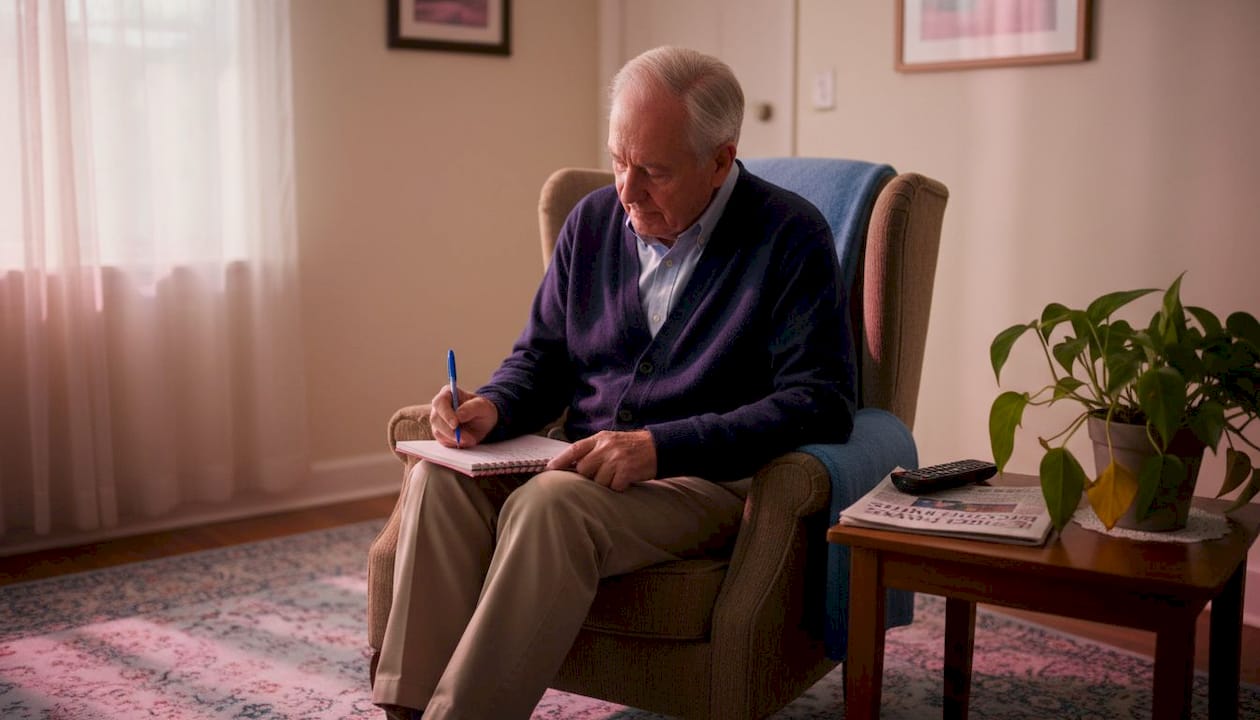
Pro Tip: Keep a simple written log of any changes you notice in your loved one’s routine over a 2 to 4 week period. Patterns become clear on paper in a way they rarely do from memory alone, and that documentation will help a care professional make a faster, more accurate assessment. This is a key step covered in any quality NYC caregiver guide.
Assessing needs: How do you know when help is essential?
Once you understand why abilities decline, the next question is: when does needing help become non-negotiable?
Professional tools exist to measure this objectively. The Katz Index of Independence in Activities of Daily Living is the most widely used clinical tool. It scores a senior across all six ADLs to determine their level of independence. Home safety evaluations check for physical hazards like loose rugs, poor lighting, and missing grab bars. Gait speed testing is another important measure. A gait speed below 0.8 meters per second signals an intermediate to high fall risk and is a strong indicator that daily support is needed. Multifactorial interventions including exercise programs, medication reviews, and home modifications are all part of what a thorough assessment recommends.
Here is a general overview of how ADL impairment rates tend to increase with age, based on population health survey data:
Age group | Estimated % with 1+ ADL difficulty | Estimated % with 1+ IADL difficulty |
65 to 74 | ~9% | ~18% |
75 to 84 | ~18% | ~30% |
85 and older | ~40% | ~55% |
These numbers show a clear pattern: the older a senior gets, the more likely they are to need help. Waiting until the problem is obvious often means waiting until it is already a crisis.
The red flags that indicate daily assistance is urgent include:
One or more falls in the past six months
Rapid or unexplained weight loss
Confusion, disorientation, or memory lapses
Missed or doubled medication doses
Significant decline in personal hygiene
Inability to assess needs for caregiver support or recognize safety risks
If two or more of these apply, it is time to move from observation to professional evaluation. Our home care planning steps resource walks families through exactly how to do this, including who to contact and what to bring to an assessment. You can also review the full workflow guide to understand what the process looks like step by step.
Pro Tip: Bring written notes from your observation log to any professional assessment. A clear history of changes helps clinicians determine both the level of current need and the likely trajectory of decline.
NYC realities: Unique challenges, programs, and solutions
Understanding what help is needed leads many families to ask: What unique challenges and options exist in New York City?
New York City has one of the largest and most rapidly growing senior populations in the country. But the resources available to serve that population are under significant strain. According to NYC home care demand data, the Department for the Aging served 3,121 clients in FY2025, with 356 individuals on a waitlist as demand continues to exceed available supply. That gap is growing, not shrinking.
Here is a comparison of the main programs NYC families can access:
Program | Who qualifies | What it covers | Estimated cost | Wait time |
EISEP | Seniors 60+ not on Medicaid | Non-medical home care, ADL help | Sliding scale | Moderate |
MLTC | Medicaid-eligible seniors | Full ADL support, nursing, therapy | Covered by Medicaid | Varies by plan |
CDPAP | Medicaid-eligible with care needs | ADL help from a family member as paid caregiver | Covered by Medicaid | Can be faster |
Private pay | Anyone | Fully flexible, immediate start | Market rate | Usually none |
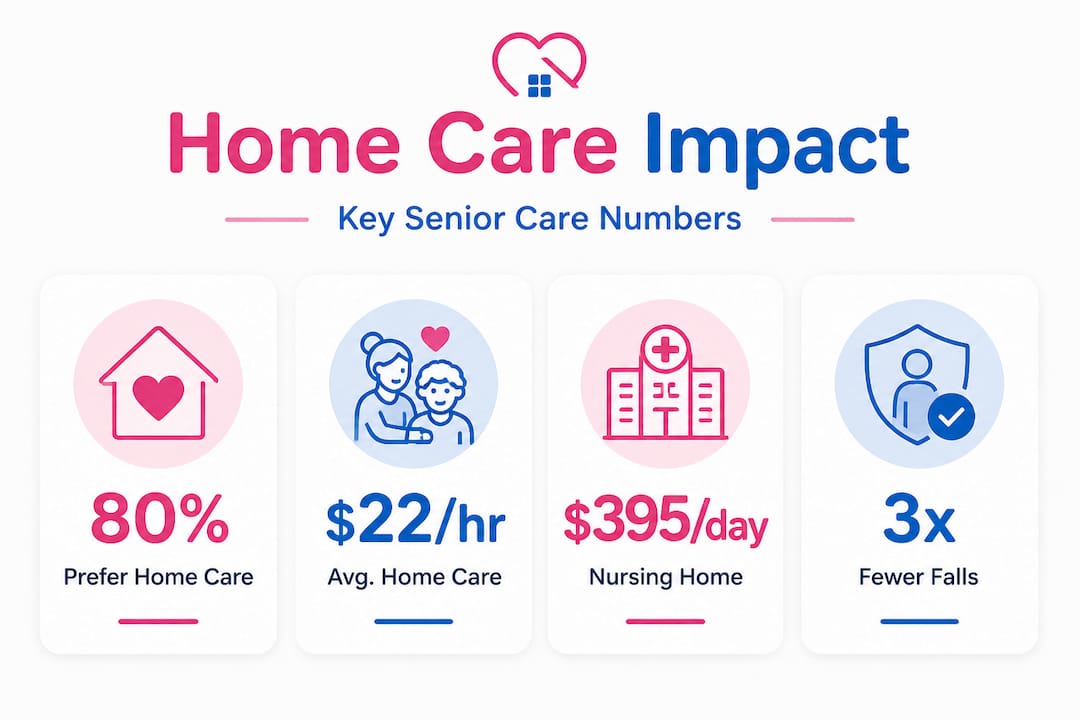
One important note about CDPAP program options: this program allows a family member, friend, or trusted person to serve as a paid caregiver. For many NYC families, this is the fastest and most comfortable option. And private pay home care, while more costly upfront, avoids waitlists entirely and can start immediately. Nursing home care costs an average of $170,000 per year, so even private pay in-home support is often a far more affordable path.
What NYC families should do right now:
Contact the NYC Department for the Aging to get on program waitlists as soon as possible
Explore CDPAP eligibility if your loved one is on Medicaid
Ask about MLTC enrollment with your loved one’s primary care physician
Consider private pay care as a bridge while waiting for program approval
Learn more about staying independent with in-home care and how it reduces hospitalization risk
Review senior wellness support options to complement daily assistance
Expert insights: Can training or exercise delay the need for help?
Beyond care programs, some families wonder if daily help can be avoided with exercise or training. Here is what the evidence shows.
Exercise absolutely helps. Randomized controlled trials show that structured physical activity programs can improve strength, balance, and ADL independence in older adults. Staying active is one of the most powerful tools available for preserving function as long as possible. For a senior who is otherwise healthy but experiencing early-stage decline, consistent exercise under professional supervision can meaningfully slow the progression.
However, for seniors who are frail, have experienced multiple falls, or are living with dementia, frailty warning signs indicate that daily hands-on assistance is not optional. Chronic conditions cause decline at a pace that intermittent exercise cannot reverse. A 30-minute walk cannot replace a trained caregiver who ensures a senior with balance problems gets safely in and out of the shower every morning.
“Planning for hands-on help before a crisis gives families time to choose the right caregiver, adjust the home, and build a routine. Waiting for a fall or hospitalization takes away all of those choices.”
How families can balance both approaches effectively:
Encourage light daily movement like walking or gentle stretching
Work with a physical therapist to identify safe exercises for your loved one’s condition
Use in-home care to handle high-risk tasks like bathing and transferring while maintaining independence elsewhere
Ask the caregiver to support, not replace, your loved one’s participation in their own care
Explore personal care services in NYC that are designed to support both safety and independence
The goal is never to take over. It is to provide the right level of support so that seniors can remain active, engaged, and safe at home.
A family-first perspective: The truth about waiting too long for daily help
We see it regularly. A family manages with informal help for months, telling themselves things are fine enough. Then there is a fall, or a hospitalization, or a confused late-night phone call, and suddenly they are making major care decisions under tremendous pressure.
“We’ll manage for now” is the most common and costly caregiving myth in New York City. We understand why families say it. Home care feels like a big step. It involves trusting a stranger in your loved one’s home. But the truth is, waiting for a crisis makes every part of this process harder and more expensive. Emergency placements are stressful. Rushed decisions lead to mismatches between seniors and caregivers. And recovery from a fall or hospitalization is significantly harder than prevention.
Starting early changes everything. When care begins before the situation is critical, there is time to find the right caregiver, build rapport, and create a routine that fits your loved one’s personality and preferences. Early care also protects family relationships. When a family member is the sole caregiver, the relationship often shifts from loving and connected to exhausted and strained. A professional caregiver absorbs the physical and logistical demands, freeing family members to simply be present.
The financial reality is equally clear. A few hours of daily home care per week costs a fraction of a nursing home admission or an extended hospital stay. Families who start the process of transitioning to home healthcare early consistently report better outcomes, lower costs, and less family stress.
Pro Tip: Start with just a few hours of support per week. It is much easier to scale up gradually as needs grow than to scramble for full-time care after an emergency.
Next steps: Personalized home care solutions for your family
If you have recognized any of the warning signs discussed here, the most important thing you can do is take action today, not next month. At Friendly Home Care, we provide personalized home care services across all five boroughs and Westchester County, designed to meet your loved one exactly where they are. Whether your family needs a few hours of support each week or full daily assistance, we build a care plan around your specific situation. Our multilingual, trained, and compassionate home health aides are ready to help. Visit Friendly Home Care to schedule a consultation and take the first step toward safe, supported, dignified aging at home.
Frequently asked questions
What are common warning signs that my loved one needs daily assistance?
Frequent falls, unexplained weight loss, confusion, declining hygiene, or trouble managing medications are all clear signals that daily ADL support is needed. If you notice two or more of these together, a professional assessment should happen right away.
What programs in NYC help pay for or provide daily assistance?
Key options include EISEP, MLTC, CDPAP, and private pay home care, each with different eligibility rules and wait times. According to NYC home care data, demand currently exceeds supply, so applying early to program waitlists is essential.
Can exercise or therapy prevent the need for daily hands-on support?
Exercise can delay functional decline, but frail or high-risk seniors typically still require daily hands-on assistance regardless of activity levels. The two approaches work best together, not as substitutes for each other.
When should we seek professional assessment for daily care needs?
If your loved one shows multiple ADL difficulties or any safety concerns at home, schedule a professional assessment immediately. Tools like the Katz Index and gait speed testing, as recommended by AARP care assessment guidelines, give families a clear, objective picture of current needs.
Does needing help with household tasks mean daily assistance is required?
Not always immediately, but it is a strong early warning. IADL decline such as trouble with medications or meal preparation typically precedes basic ADL loss, which means it is the right time to plan for more comprehensive daily support before a crisis occurs.
Recommended